Banco Chinchorro
Banco Chinchorro coral atoll is about 30 miles off shore. This is the largest coral atoll in the northern hemisphere and is littered with the wrecks of sunken ships. As a result it is an attractive area for Scuba divers.
Kayaking
 The coastline near Xcalak offers numerous opportunities for kayaking. The shoreline in this part of Mexico is protected by an offshore coral reef – the second largest in the world just behind the Great Barrier Reef in Australia. The water is extremely clear and marine life is abundant.
During my stay at Tierra Maya Lodge I paddled a small kayak out three quarters of a mile to the edge of the offshore coral reef multiple times. This reef acts as a shoreline in the sense that the waves break here, not at the actual shoreline. Once I reached the coral reef I put the kayak in the waves and took on wave after wave after wave. The depth of the ocean floor varies between 2 to 15 feet between the reef and the shoreline but then right at the reef it was only about 1 foot deep; I almost grounded the kayak several times. Once past the reef the bottom drops off immediately to hundreds of feet below …I couldn’t see the bottom – even with the 100 + foot visibility.
Scuba Diving
is available at the XTC Dive Center in Xcalak. For more information about their pricing and services please visit: www.xtcdivecenter.com. Check out their enticing online photo album of pictures taken during several of their dives.
Sunset Watching
Yucatanian sunsets are memorable. The sky is often thick with deep hues of orange, pink, blue and gold. These fantastic colors simmer at dusk before cooling down to an incredible display of vivid reds, browns and dark blues. Then the ball of fire drops down beneath fiery waters and darkness comes fast. When clouds are in the sky, tropical sunsets are an awesome thing.
Sunning
The tropical sun’s ubiquitous rays appear friendly at first. However, as in any sport or hobby, not having the proper gear can spell “disaster.” If you are going to spend more then a couple of minutes sunning in Xcalak’s tropical conditions be sure to lather yourself with a suntan lotion of at least 30 SPF.
It is very easy to be lured to sleep by the beautiful warmth on your skin and then lose track of time and end up being in pain for the next couple of days. This would ruin an otherwise perfectly delightful vacation. Please don’t let that happen.
Snorkeling
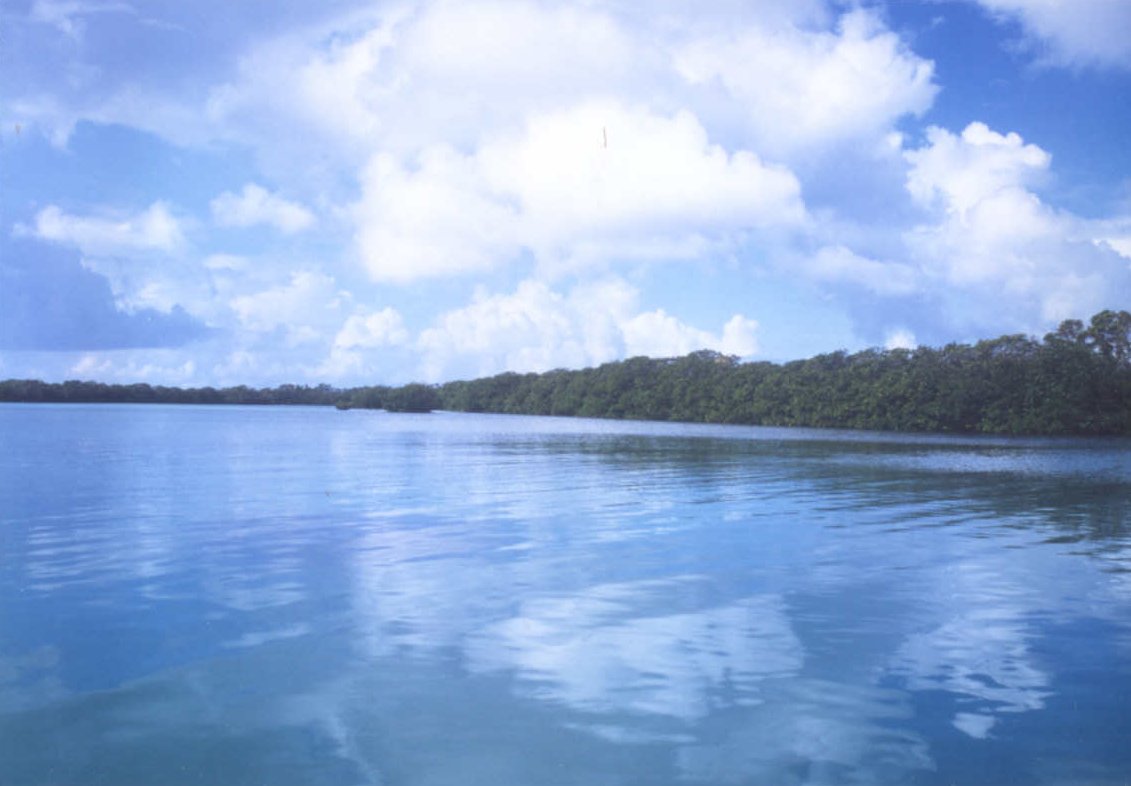 The water’s visibility is so clear that often times one can see up to 100 feet. Numerous small coral outcroppings are located just off the coast of Xcalak. This coral attracts a diversity of marine life including brightly colored fish. The coral outcroppings are spaced such that you can swim from one to the next and slowly make your way out to where the waves are crashing about 3/4 of a mile offshore.
The ocean floor varies between a depth of several feet to about 15 feet between the shoreline and the coral reef. However, each small coral outcropping rises to only several feet below the water’s surface.
I highly recommend bringing an underwater camera such as a GoPro. The water is so clear one will be able to take some excellent photos of the coral, the underwater vegetation and schools of fish.
And for those visitors with some luck on their side – might get to see one of the manta rays that slowly cruise offshore. I even saw an octopus near the shoreline. Observant swimmers and snorkelers will be rewarded with many different species of sea creatures.
One type of coral may stand out from your underwater adventures. Brain coral (Colpophyllia natans) gets its name from the hundreds of small curved channels that exist on its surface. It usually grows in a spherical shape and is found in waters from approximately 3 to 180 feet. It can grow up to 7 feet in diameter although 1 to 2 foot examples are much more common. If you look carefully on shore you may find several that have washed up during severe storms.
Leave a Reply