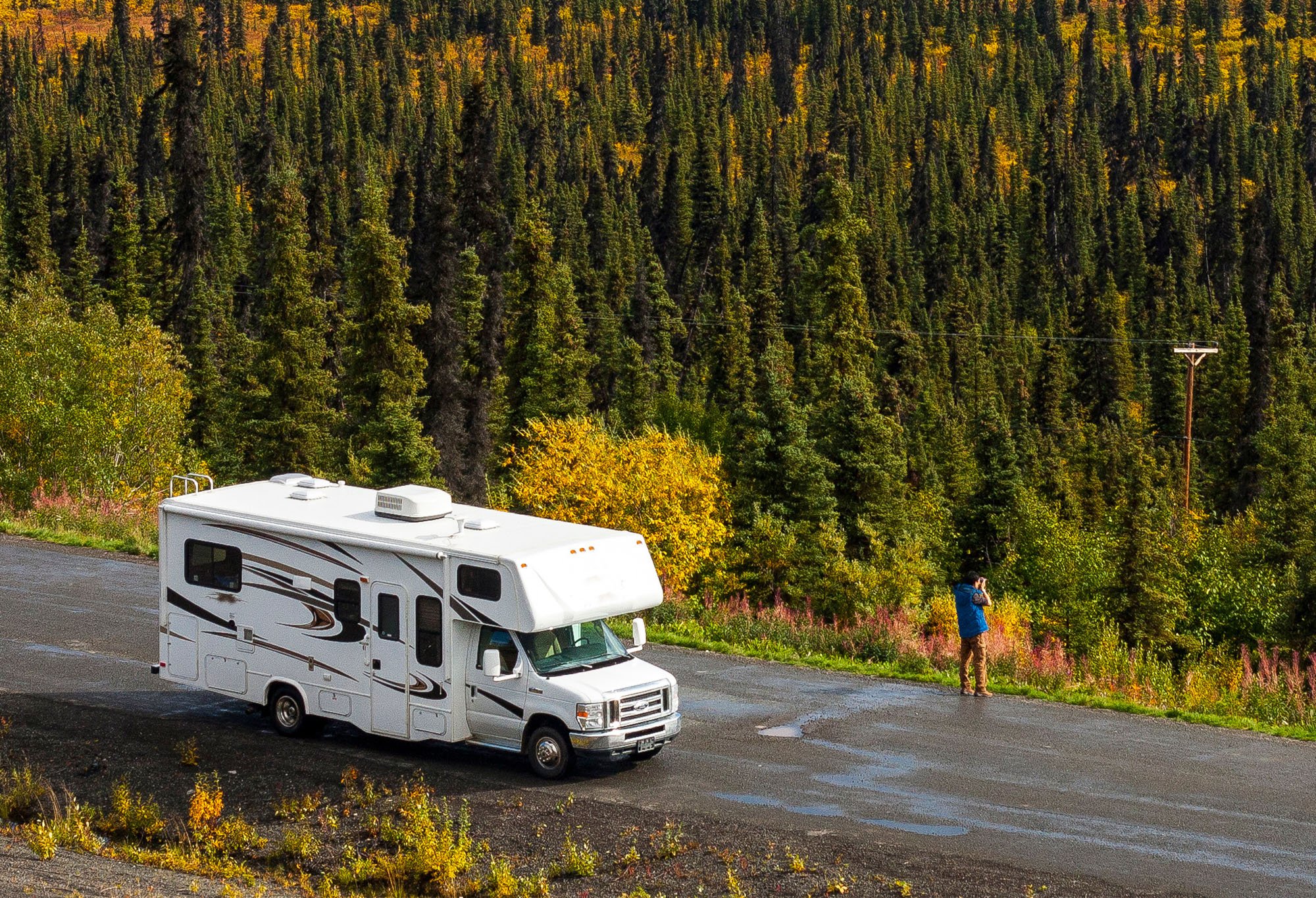
Nowadays, with what seems like endless workdays and everyday life stress, the one thing most people look forward to is their holiday and a new adventure. This is something we like to plan carefully; we consider what we’ll pack, where we’ll go, and what we’ll do and see.
So, just imagine, after months of planning your RV road trip, you’ve mapped routes, booked campsites, and coordinated schedules. But suddenly, you’re stranded on a side of the road with a broken-down engine or shredded trailer tires. Not only is your entire trip delayed, but it also adds stress and unexpected costs that derail the entire experience.
To ensure your next vacation goes without a hitch, let’s check what you can do to have a safe and carefree trip.
The Reality Most Travelers Overlook
Regardless of whether you’re planning a month-long trip or a weekend getaway, you should prepare thoroughly, as unexpected issues can arise at any time. Most travelers check whether they’ve packed the essentials like chargers, medication, extra clothes, and documentation. They will ensure there is enough fuel and check which routes are best to take. However, there is one thing that most travelers forget to check, and that is if their tires are ready for the trip.
Why Trailer Tires Fail
Just because you’re taking your vacation in your mobile home, it doesn’t mean that you should pack up absolutely everything to take with you. Bring only the essentials like the kitchenware, bedding, toiletries, outdoor gear, drinking water, and entertainment. Not only are you limited by space, but you also don’t want to overload the RV and put excessive pressure on the tires.
While most drivers always keep an eye on fuel levels during rides, it’s also important to check tire pressure, especially before undertaking a longer trip. Underinflated tires can cause serious issues like a tire blowout, which can lead to very costly damage to the suspension, brakes, fenders, and undercarriage.
If you’re a snowbird or you only take RV trips occasionally, you might think that your tires will not age as fast, but it’s completely the opposite. Trailer tires actually age out because of the chemical degradation that happens when they aren’t used for long periods of time, and they lose their structural integrity. The tire loses its elasticity, becomes brittle, and prone to developing cracks, which can eventually lead to blowouts.
Taking breaks is crucial when it comes to long-distance driving. Not only because everyone needs to stretch their legs and the driver needs to ensure the vehicle is in good condition, but also because the vehicle needs to stop and cool down a bit, especially if temperatures are high. Driving at high speeds for extended time periods creates constant friction and heat, so if the tire does not cool down, breakage is inevitable.
How a Tire Issue Can Derail an Entire Trip
Even a small and slow air leak requires immediate attention and repair; otherwise, it can lead to much more serious damage and consequences. Any kind of tire issue will inevitably cause hours (or even days) lost while waiting for help on the side of the road. All delays can lead to missed bookings and reservations, which is more than an inconvenience. A more serious tire issue can lead to blowouts, damage to the trailer and belongings, substantial financial costs, and even safety risks. Blowouts and tread separation can lead to loss of vehicle control, resulting in accidents.
Make an Educated Decision
Because of the heavy load they need to support, it’s important to consider the internal structure of the tire. You can choose between radial and bias ply tires; they differ in the tire plies placement.
Radial tires have structures where the plies are added at 90-degree angles from one bead to the other. Because of their construction, they allow minimal sidewall flexing, and they offer better puncture resistance. Bias-ply tires feature plies arranged diagonally within their internal structure. Due to this construction, they offer higher load durability and capacity.
You need to be mindful that the tire’s load durability matches the RV’s needs. Check the load rating and the load range of the tire and choose one that can handle both the RV’s and the cargo’s weight. Overloaded or unevenly distributed weight inside the RV can cause an unbalanced load that can lead to uneven treadwear and an unstable vehicle.
Whether you’re a first-time RV driver or a seasoned camper, buying new tires isn’t a spontaneous purchase but a serious investment. If you opt for cheaper tires, there is a higher chance you’ll, at best, end up with a blown tire, which will lead to additional repair costs.
You Want to Think About the Journey, Not Your Tires
Getting quality trailer tires can ensure you’ll have a hitch-free and safe journey that you’ll remember for fun moments, beautiful vistas, and good food and drinks, instead of hours being stuck at the mechanic. Instead of worrying whether you’ll get to your destination because that one tire seems suspicious, you should be able to crank up the music and sail smoothly. Rather than wondering if you’ll find a blown tire in the morning, you should plan where you’ll go for breakfast and a cup of coffee.
Enjoy Your Road Trip
Whether you’re going on a cruise, staying at an all-inclusive resort, or renting a house, careful planning is crucial for any successful trip. This is especially true if you’re taking your RV, particularly if it will be a longer trip. Before you start planning your next adventure, consider your budget, where you want to go, and what route you’ll take. Pack only the essentials, check the weather forecast, and ensure you’ve booked the campgrounds early. But most importantly, prepare your mobile home by testing all systems, checking your tires, and making sure you have a basic toolkit and necessary RV items packed.
Related posts:
 Karl Bushby, Adventurer and Author
 A harsh but beautiful wildlife haven at the bottom of the world – Interview with Vicki Foster, Government Officer of South Georgia & the South Sandwich Islands
 Road Trip Part 1: Branson to Bisbee
 Road Trip Part 2: Tucson to Alpine
 A Transcontinental Train that Transcends the Frontiers between West and East – Bucharest to Istanbul
Leave a Reply