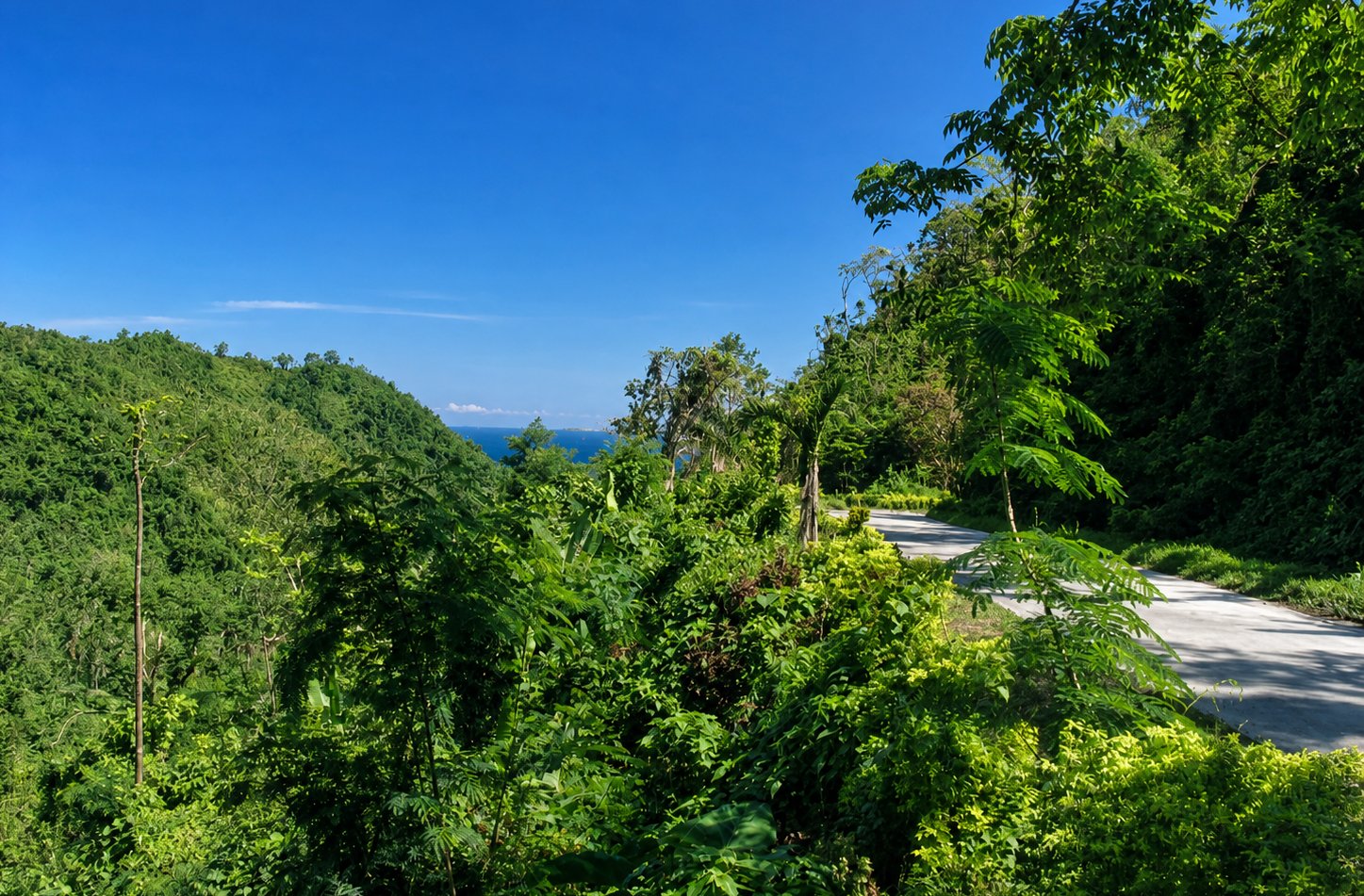
Mt. Apo is not just another mountain in the Philippines. It is the highest peak in the country, a protected natural landscape, and one of the most meaningful climbs a hiker can experience in Mindanao.
For many hikers, Mt. Apo is the kind of destination that stays on the bucket list for years. It has the reputation, the elevation, the views, and the challenge. But after experiencing the mountain myself, I realized that Mt. Apo is not only about reaching the highest point in the Philippines. It is also about preparation, discipline, respect, and understanding what kind of climb you are really signing up for.
This is not a casual weekend hike. Mt. Apo requires proper planning, guide coordination, physical readiness, and respect for protected-area rules. It is a mountain that rewards prepared hikers and humbles those who underestimate it.
If you are planning a trip to Mindanao, especially around Davao, Mt. Apo can be the highlight of your adventure. But it also pairs well with other nearby destinations. Before or after your climb, you can explore more Davao tourist spots, plan a recovery beach trip to Samal Island, or even build a longer route around some of the top tourist destinations in the Philippines.
For the complete guide with more detailed trail notes, budget planning, permit reminders, itinerary tips, and packing advice, read the full guide here:
Mt. Apo hike, Sta. Cruz permit guide, difficulty level, and itinerary
Mt. Apo Is More Than Just the Highest Mountain in the Philippines
Most people know Mt. Apo because of its title: the highest mountain in the Philippines. That alone makes it one of the most iconic hiking goals in the country.
But Mt. Apo is more than a summit marker.
It is part of Mt. Apo Natural Park, a protected landscape shared by areas of Davao del Sur and North Cotabato. The mountain is also connected to local communities, indigenous groups, forest ecosystems, and conservation rules that every visitor should respect.
This is one reason Mt. Apo feels different from many other hikes. You are not simply walking toward a viewpoint. You are entering a protected and culturally significant landscape.
That means hikers should not treat the climb like a simple outdoor activity. You need to follow the permit system, listen to guides, respect local rules, and practice Leave No Trace from start to finish.
What Makes Mt. Apo Special?
Mt. Apo is special because it gives hikers a complete mountain experience. Depending on the route, you may encounter forest sections, open mountain terrain, cold campsites, volcanic landscapes, and scenic high-elevation views.
The trail changes character as you move higher. The lower sections can feel warm and humid. Higher areas become colder, more exposed, and more physically demanding. The climb can test your legs, lungs, balance, patience, and mental endurance.
This variety is what makes Mt. Apo memorable. It does not feel like a simple climb where you just go up and come down. It feels like a full mountain journey.
For many hikers, the best memories are not only from the summit. They also come from the quiet forest, the cold morning air, the shared meals at camp, the teamwork with guides and porters, and the relief of finally reaching the exit point.
Is Mt. Apo Difficult?
Yes, Mt. Apo is difficult. It is best treated as a serious multi-day hike, especially for people who are not used to long mountain trips.
The challenge comes from several factors:
- Long hiking hours
- Steep sections
- Muddy trail conditions
- Cold nights
- Basic campsite setups
- Heavy backpacks
- Changing weather
- Long descents
- Strict climb logistics
Some beginners can climb Mt. Apo successfully, but only if they are fit, trained, and guided properly. Absolute beginners should not treat it as their first major hike.
If you have never done a long hike, never camped in cold mountain conditions, or never carried trail gear for multiple days, it is better to prepare first before attempting Mt. Apo.
The mountain is beautiful, but it is not forgiving to hikers who come unprepared.
Why Preparation Matters Before Climbing Mt. Apo
Preparation is one of the biggest keys to enjoying Mt. Apo.
Because the climb usually takes several days, small mistakes can become major problems. Poor footwear can hurt your feet. Weak waterproofing can leave you with wet clothes at camp. The wrong clothing can make cold sections uncomfortable. Overpacking can drain your energy before the hardest parts of the climb.
Before joining a Mt. Apo climb, hikers should prepare for:
- Long walking hours
- Cold and damp campsites
- Rain or trail moisture
- Basic toilets
- Limited comfort on the trail
- Guide-led movement
- Regulated access
- Waste management rules
- Physical and mental fatigue
Mt. Apo becomes more enjoyable when you already expect discomfort. It is not a luxury camping trip. It is a real mountain climb that requires patience and discipline.
Should You Join a Tour or Go DIY?
For most first-time hikers, joining an organized climb is the more practical option.
Mt. Apo involves permits, guide requirements, local coordination, route management, food planning, campsite rules, and transport logistics. A legitimate local organizer can help simplify these parts.
DIY planning may be possible for experienced hikers, but Mt. Apo is not the kind of mountain where you simply show up and start walking. Since it is a protected area, hikers need to follow official rules and coordinate with the proper local offices or accredited groups.
If you are joining an organized climb, choose carefully. Look for an operator that follows local rules, explains inclusions clearly, coordinates properly with local offices, and respects the mountain.
A cheaper package is not always better if it cuts corners on safety, permits, or local compliance.
What Gear Do You Need for Mt. Apo?
You do not need the most expensive gear, but you do need the right gear.
A good Mt. Apo packing setup should focus on four things: warmth, waterproofing, grip, and safety.
Useful items include:
- Hiking shoes or trail shoes with good grip
- Rain jacket or poncho
- Warm layers for camp and summit
- Gloves
- Headlamp
- Trekking poles
- Dry bags or waterproof liners
- Personal first aid kit
- Water bottles or hydration bladder
- Trail snacks
- Sleeping gear suitable for cold conditions
One mistake many hikers make is packing only for warm weather. Mt. Apo may be in the Philippines, but the higher sections can become very cold, especially before sunrise and at camp.
Cotton clothing is also not ideal because it holds moisture. Quick-dry fabrics, fleece, wind protection, and proper layering are better choices.
What Should First-Timers Expect?
First-timers should expect Mt. Apo to be beautiful but uncomfortable.
There may be mud, sweat, cold wind, wet clothes, sore legs, early wake-up calls, and basic facilities. There may be moments when the trail feels endless. There may also be sections where you need to move slowly and carefully because the terrain demands full attention.
But that is also what makes the climb rewarding.
Mt. Apo gives you the feeling that you truly worked for the summit. The view is not handed to you. You earn it through training, patience, and proper preparation.
For many hikers, the mountain becomes memorable not only because of the summit, but because of the effort it took to reach it.
Respect the Mountain and Local Communities
Mt. Apo is not just a tourist attraction. It is a protected area and a culturally important mountain.
Every hiker should follow responsible hiking practices:
- Bring down your trash
- Do not vandalize rocks or trees
- Do not disturb wildlife
- Avoid loud music
- Respect guides and local communities
- Use designated campsites
- Follow official trail rules
- Do not create shortcuts or new trails
A simple but important rule: do not bring a Bluetooth speaker. Many hikers and local communities value the silence of the mountain. If you want music, use earphones.
Responsible hiking is part of the Mt. Apo experience.
Add Davao and Samal Island to Your Trip
If you are already traveling to Davao for Mt. Apo, it is worth adding extra days before or after the climb.
Davao City is the most practical gateway for many Mt. Apo climbers, so you can use it as a base for food, rest, supplies, and side trips. For planning ideas, you can check this guide to Davao tourist spots.
If your trip falls around March, also check the Araw ng Davao guide. Festival schedules, road closures, and parade routes can affect your city movement, especially if your climb dates are close to major events.
After the climb, a beach recovery day is a good idea. Samal Island is one of the easiest side trips from Davao City and works well if you want a slower day after a physically demanding hike.
If Mt. Apo is part of a larger travel plan, you can also compare it with other top tourist destinations in the Philippines to build a longer itinerary.
Is Mt. Apo Worth It?
Yes, Mt. Apo is worth it for hikers who wan
t a serious and meaningful mountain adventure.
It is best for people who are willing to train, prepare, follow local rules, and accept discomfort. It is not ideal for casual tourists, untrained beginners, or hikers who expect an easy climb.
Mt. Apo is challenging, but that challenge is exactly why it stays memorable.
When you finally reach the high sections and see the scale of the mountain around you, the effort begins to make sense. The cold, the mud, the long hours, and the tired legs all become part of the story.
For many hikers, Mt. Apo is more than a destination. It becomes a milestone.
Final Thoughts
Mt. Apo deserves its place on every serious hiker’s bucket list. It is the highest mountain in the Philippines, but more importantly, it is a climb that teaches preparation, humility, and respect.
Do not rush the process. Train first. Research properly. Coordinate with legitimate local operators or tourism offices. Prepare your gear. Respect the rules. Treat the mountain as more than just a photo opportunity.
Mt. Apo is not easy, but it is worth it.




Great guide! Mt. Apo looks like an incredible challenge, and I really like the emphasis on preparation and respecting the mountain and local communities. Definitely adding this to my travel list!