A successful safari depends on understanding the distinct ecological profiles and seasonal dynamics of Africa’s primary wildlife regions. While wildlife viewing remains the central objective, the transition through regional hubs, local markets, and historical towns provides essential cultural context that enriches the overall travel itinerary.
These five destinations each offer a highly specialised environment that ranges from arid desert basins to seasonally flooded deltas, which require different travel strategies to maximise the quality of your sightings.
Namibia for Desert Landscapes and Natural Waterhole Viewing
Namibia’s primary appeal lies in its stark, hyper-arid geography. Unlike the dense bush of eastern Africa, the lack of thick vegetation in the country’s northern interior makes wildlife exceptionally easy to locate, particularly during the dry winter months from May to October.
Planning one of the region’s renowned luxury Namibia safari holidays allows travellers to experience the unique ecosystem of Etosha National Park. Here, a massive salt pan creates a barren white backdrop where herds of desert-adapted elephants, rare black rhinos, and lions congregate around permanent waterholes. Because the animals are forced to gather at these limited water sources, travellers can simply park near a waterhole and wait, enjoying spectacular, multi-species viewing without the need for long drives.
Transitioning through Windhoek before heading north offers an opportunity to observe local commerce. Visiting the craft markets near Post Street Mall or walking along Independence Avenue provides a practical look at urban Namibian life and a chance to grab final travel essentials.
Kenya’s Masai Mara for the Great Migration and Big Cat Territories
The Masai Mara National Reserve is defined by its high density of resident wildlife and its role as the northern terminus of the annual Great Migration. Between July and October, over one million wildebeest and zebra enter the reserve from the Serengeti, creating an intense concentration of wildlife that supports massive populations of lions, cheetahs, and leopards.
The reserve’s open grasslands provide optimal visibility for observing lion prides, cheetahs, and leopards. While the dramatic river crossings are a major draw, exploring the surrounding private conservancies offers exclusive off-road driving privileges and night safaris, both of which are heavily restricted within the main national reserve.
Nairobi is worth more than an overnight stop before the safari begins. The walk around City Market feels busy from early morning, with fruit sellers, flower stalls, tailors, and craft vendors all sharing the same space. Traffic can build up quickly along Moi Avenue during rush hour, so allowing extra time for transfers usually helps avoid unnecessary stress.
To balance the remote nature of the plains, spending time in Nairobi before your flight into the bush is highly recommended. Visiting the historic City Market allows travellers to experience the city’s daily trade in fresh wholesale produce and regional crafts before departing for the local airstrip.
Tanzania’s Serengeti for Vast Ecosystems and Extended Journeys
Tanzania’s northern safari circuit operates on an immense geographic scale, requiring a longer stay to fully appreciate the seasonal movements of its wildlife. The Serengeti National Park covers nearly 15,000 square kilometres, meaning herds are constantly on the move in search of fresh pasture.
Because of the vast distances and varying road conditions between the Ngorongoro Crater, Lake Manyara, and the Serengeti, securing trusted long-term travel insurance is an essential administrative step for any extended overland itinerary. This provides necessary peace of mind when navigating multiple remote regions and relying on light aircraft transfers.
Arusha serves as the gatekeeper to this wilderness circuit. Stopping at the bustling Central Market offers an authentic view of the local coffee, spice, and agricultural trade that drives the regional economy, serving as a stark contrast to the quiet wilderness of the parks.
Roads inside the parks can become rough after rain. A light jacket helps during early morning drives, even when the afternoons turn warm.
Botswana’s Okavango Delta for Water, Wildlife, and Silence
The Okavango Delta represents a unique inland oasis where seasonal floodwaters from the Angolan highlands flow into the Kalahari Desert. This creates a vast labyrinth of channels, lagoons, and islands that supports an exceptionally diverse concentration of wildlife.
The primary advantage of a delta safari is the opportunity to view wildlife from the water. Navigating the narrow reeds in a mokoro, which is a traditional dugout canoe, allows for silent, low-impact approaches to nesting kingfishers, bathing elephant herds, and rare sitatunga antelopes that are otherwise entirely inaccessible by land.
Before taking a charter flight into these remote water concessions, transiting through Gaborone or Maun allows travellers to pick up specialised gear and supplies. The Main Mall in Gaborone remains a central hub for daily local business and practical retail.
Mobile reception disappears quickly once deeper into the delta. Offline maps and downloaded travel documents save a surprising amount of hassle.
South Africa’s Private Reserves for Uncrowded and Expert Guiding
While Kruger National Park is South Africa’s most famous wilderness area, its high volume of self-drive traffic can compromise the sense of isolation. The country’s private nature reserves, particularly in the Eastern Cape and Sabi Sand, offer a more controlled, exclusive alternative.
These private concessions operate under strict conservation guidelines that limit the number of vehicles permitted at any single wildlife sighting. Because guides on private land are allowed to leave the established roads, guests can follow resident species deep into the bush, observing natural behaviours up close without the intrusion of passing traffic.
Cape Town is where many journeys begin. Greenmarket Square fills with traders selling artwork, clothing, and handmade crafts, while Long Street stays busy from morning onwards. It’s an easy part of the city to explore on foot before flying or driving to the safari regions.
Which safari destination is calling your name?
The animals may be the main attraction in all five places, but the experience changes from one destination to the next. Namibia revolves around desert landscapes and waterholes where animals gather naturally. Kenya’s migration remains one of Africa’s great wildlife events. Tanzania has plenty to keep visitors busy beyond a single national park. Botswana adds waterways that completely change how wildlife watching unfolds, while South Africa still has quieter safari regions waiting beyond the country’s best-known names.
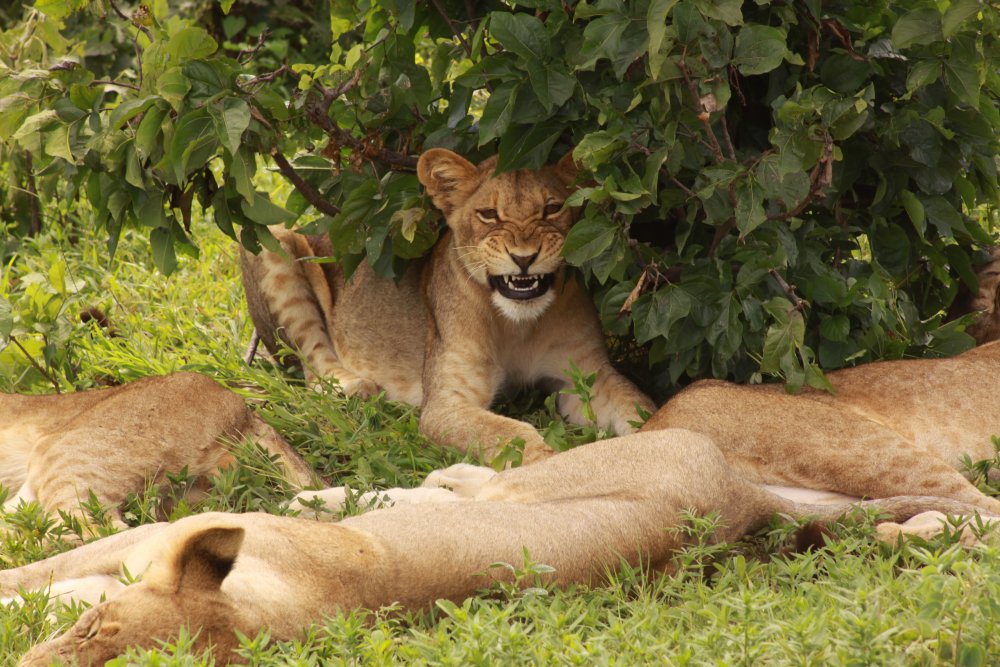
Wildlife never follows a schedule, which is part of what keeps people coming back. One excursion may produce little more than antelope and birds, while the next brings elephants crossing the road or a lion pride waking up after hours in the shade. Packing a little patience usually turns out to be just as useful as packing another camera lens.



Leave a Reply