The brutal reality check that hits every backpacker flying from SE Asia into Australia.
The barman at the first pub I walked into after dropping my bag slid a schooner across the bar and said nine dollars. I handed over a tenner and stood there waiting for change that wasn’t coming. He’d already moved on. I picked up the glass and did the maths in my head the way you do when you already know the answer isn’t good.

Here’s what Southeast Asia does to you. It makes you genuinely believe that this is just how travel works. You roll off a night bus into Chiang Mai, find a guesthouse for 250 baht, eat pad kra pao for 60 baht from a woman cooking on a single gas ring, and rent a scooter for 200 baht a day. You cover everything, every meal out, every activity, the odd tourist trap, the beers, the slow afternoons in a hammock, for about £200 a week. Including accommodation. Including everything.
The thing that really gets you, though, is that you never have to think about money. Not in the background-hum way you do at home, where a round of drinks or a meal out involves a quiet calculation you’re barely aware of making. In Southeast Asia that calculation just stops. Every day is the same loop: eat when you’re hungry, drink when you want to, say yes to whatever’s happening, talk to people, sleep. Then do it again. It becomes a way of life surprisingly quickly. And because you’re surrounded by other people doing exactly the same, it stops feeling like a budget. It just feels like the price of living. You stop thinking in pounds. You think in baht and dong and rupiah and you feel rich, or at least comfortable, and after a few months of it you can’t really picture any other way of doing this.
I’d chosen Melbourne because the reputation was hard to ignore. A music scene with clubs that run until six in the morning. Rooftop bars across the CBD. A beach at St Kilda. Laneways full of bars you’d walk straight past without knowing to turn in. The kind of place that has something happening every night of the week and doesn’t make a big deal about it.
Nobody mentioned that a bed in a twelve-bed dorm on Flinders Lane would cost $50 a night before you’d eaten a single thing, or that the coffee, for all its reputation, would set you back $6 a flat white.
The numbers keep going the wrong way. The $11 pint. The tram fine you get because nobody warned you about needing a Myki card. The $9 bag of pasta and jar of sauce that costs more than a full meal in Hanoi. Each one is small on its own. Together they add up with a kind of relentlessness you weren’t ready for.
There was no moped, either. That sounds minor until you realise the moped was never really about transport. It was about freedom and spontaneity and the ability to make a decision and be somewhere else within minutes. In Bangkok or Hanoi, you eat where the food smells right and you ride away when you’re done. In Melbourne, you walk. You check Google Maps. You look at the tram route. You decide it’s probably not worth it.
And then, for the first time in months, you have to plan your meals.
This is the one that catches most people off guard, because it’s so mundane. For six months someone else has been feeding you. Brilliantly. Three meals a day, cheaper than you could have bought the ingredients, and you never once had to think about it. You walked outside and the food was there.
Now you’re in a Coles on Bourke Street doing a weekly shop, trying to work out whether the pasta or the rice stretches further, adding things up in your head and arriving at a number that is somehow higher than what you were spending on three full meals a day across Southeast Asia. You carry it all back to the hostel, find a space in the communal fridge, write your name on a bag in marker pen and make a quiet note to yourself not to leave the milk in the door. Everyone steals the milk. Every hostel, every city.
There’s a particular kind of silence in a hostel kitchen at 6pm. Ten people from ten different countries all staring into different pots, not talking, just cooking whatever they bought that afternoon. Someone’s frying eggs. Someone’s boiling rice. A guy from Denmark is doing something complicated with a tin of chickpeas. You’re all running the same quiet calculation: how to eat well enough to feel okay, for as little as possible, for as many nights as you have left.
It felt like being home again, just without any of the home comforts. And home, at that point, was the last place you’d wanted to be when you’d left.
About two weeks in I sent a voice note to a mate back home. Told him it felt more like surviving than travelling. I was sort of joking.
The turn, when it came, didn’t announce itself.
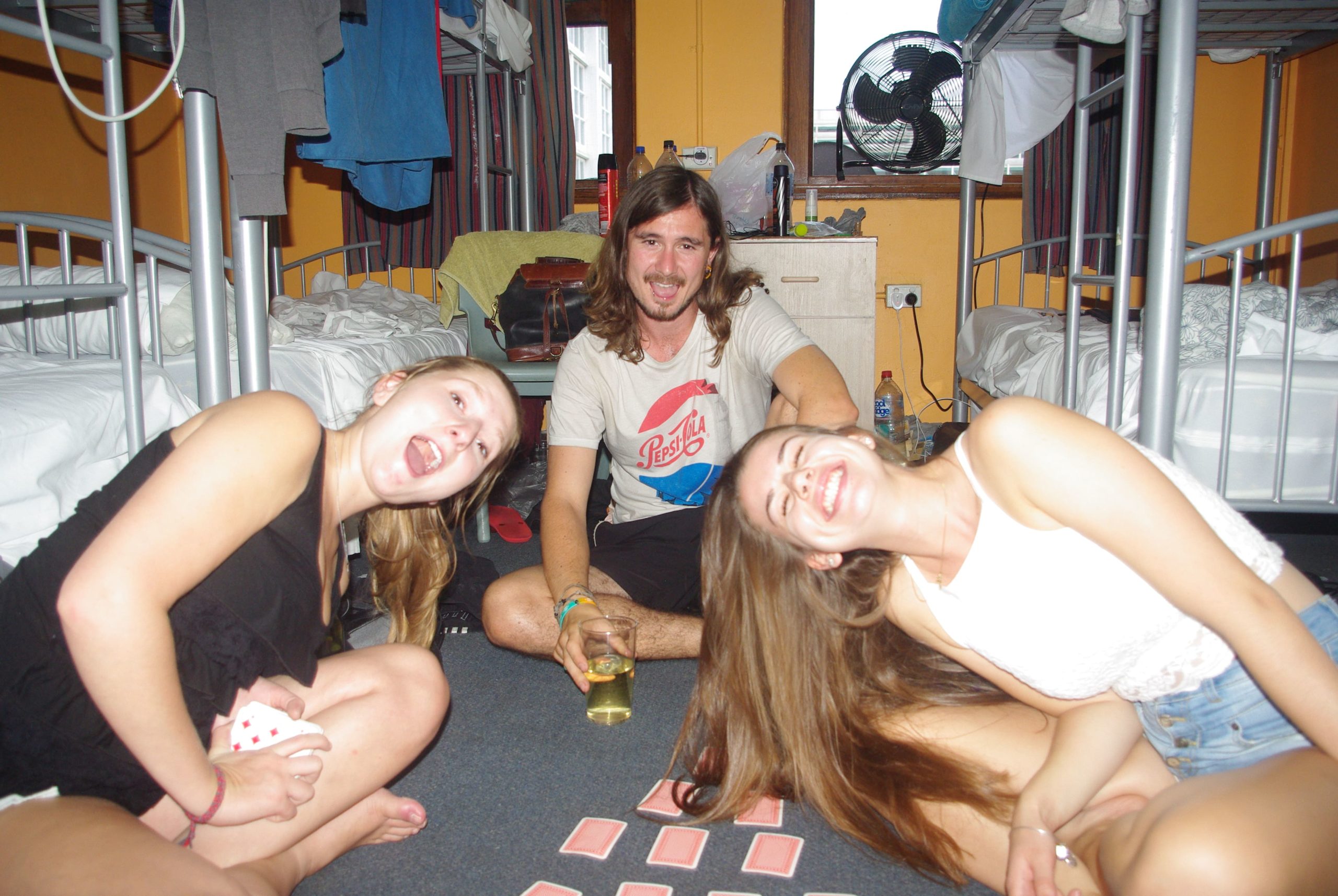
It was a Sunday. A South African called Marcus knocked on my bunk and said they were getting a bag of goon and playing cards in the common room if I wanted in.
For the non-initiated: goon is the bladder of wine from a boxed wine. A four-litre bag. It costs around $10 and tastes like it costs around $10 and it is completely, irredeemably wonderful in the right context. The right context is sitting on a plastic chair at a communal table with five other people who have nowhere to be and no reason to be anywhere else.
We played cards until midnight. Someone ordered Domino’s, which in Australia is absurdly cheap by any reasonable measure, around $6 for a large pizza on the Tuesday deal, though we weren’t waiting until Tuesday. A couple of others from the floor drifted in and ended up staying for hours. Marcus told a story about working on a farm in Queensland that was so bleak it became funny. I laughed properly for the first time since I’d landed.
What I’d been doing wrong, I think, was trying to do Southeast Asia in a country that wasn’t Southeast Asia.
In Thailand you collect experiences. You move fast. You do the boat trip, the temple, the cooking class, the night market. The pace is the point. Everything is accessible and cheap and the days are dense with stuff.
Australia doesn’t work like that and it punishes you for trying. It’s too big. The distances between things are too large. The costs make constant movement exhausting in a way that’s different from physical tiredness. You can’t outrun the budget the same way.
But slow it down and something else opens up. You cook a big communal dinner and three people you’d never have talked to otherwise end up staying at the table until midnight. You find a laneway bar you never would have planned to visit and end up there for four hours. You take the long way on a walk and end up in a neighbourhood you hadn’t planned on. You sit on the beach at St Kilda on a Tuesday afternoon and realise you have genuinely nowhere to be.
The joy is still there. It’s just quieter and it requires you to stop sprinting after it.
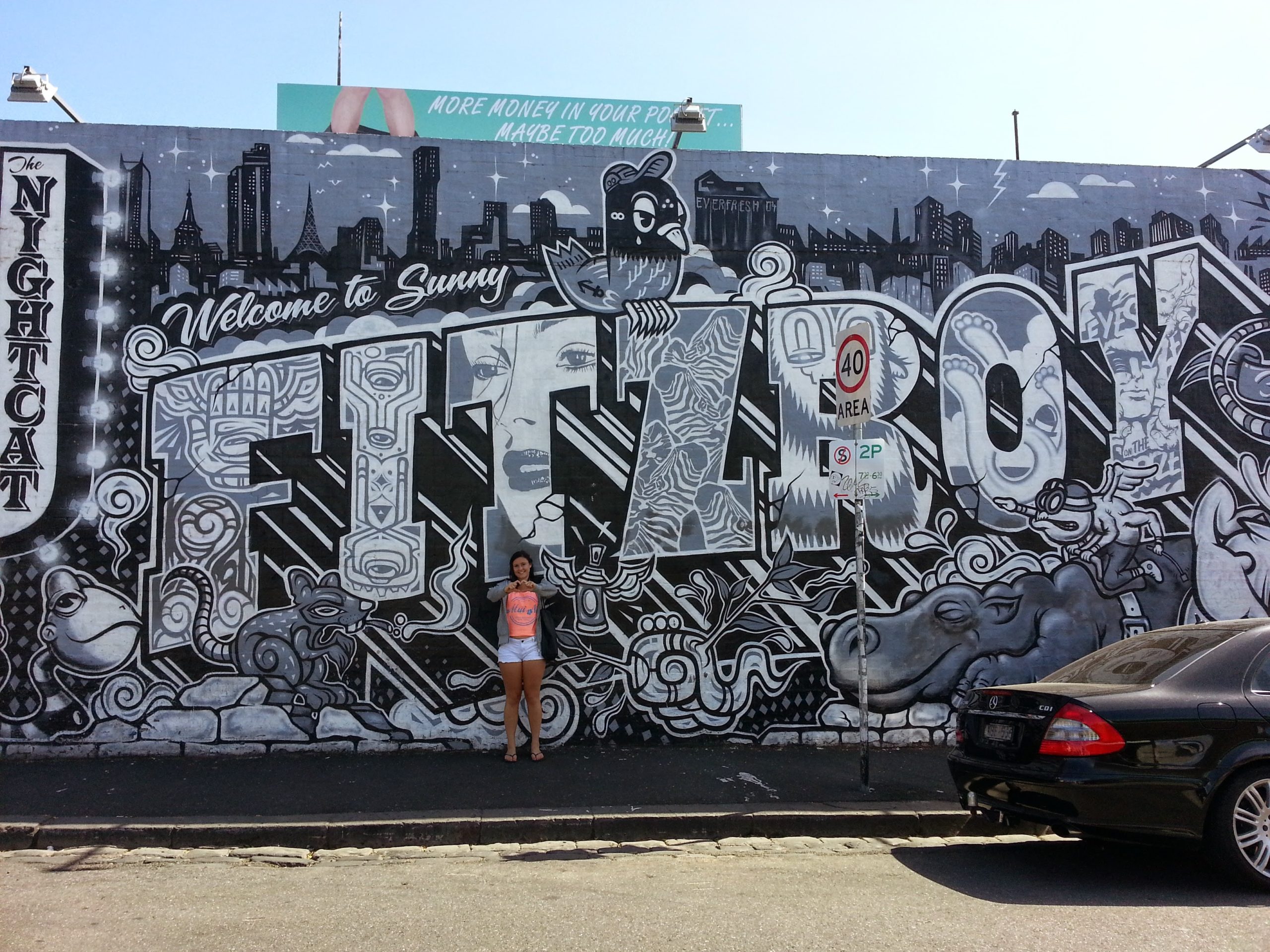
I stayed in Melbourne for three weeks in the end before heading further up Australia’s east coast. I went to Queen Victoria Market most Saturdays and sampled the Australian meats I hadn’t tried before. I found a bar in Fitzroy that did $5 pints on Wednesdays. I went to a free gig on a Thursday night because someone in the hostel kitchen mentioned it and I had nothing else on.
By week three I wasn’t fighting it anymore. Australia had its own pace and I’d settled into it.
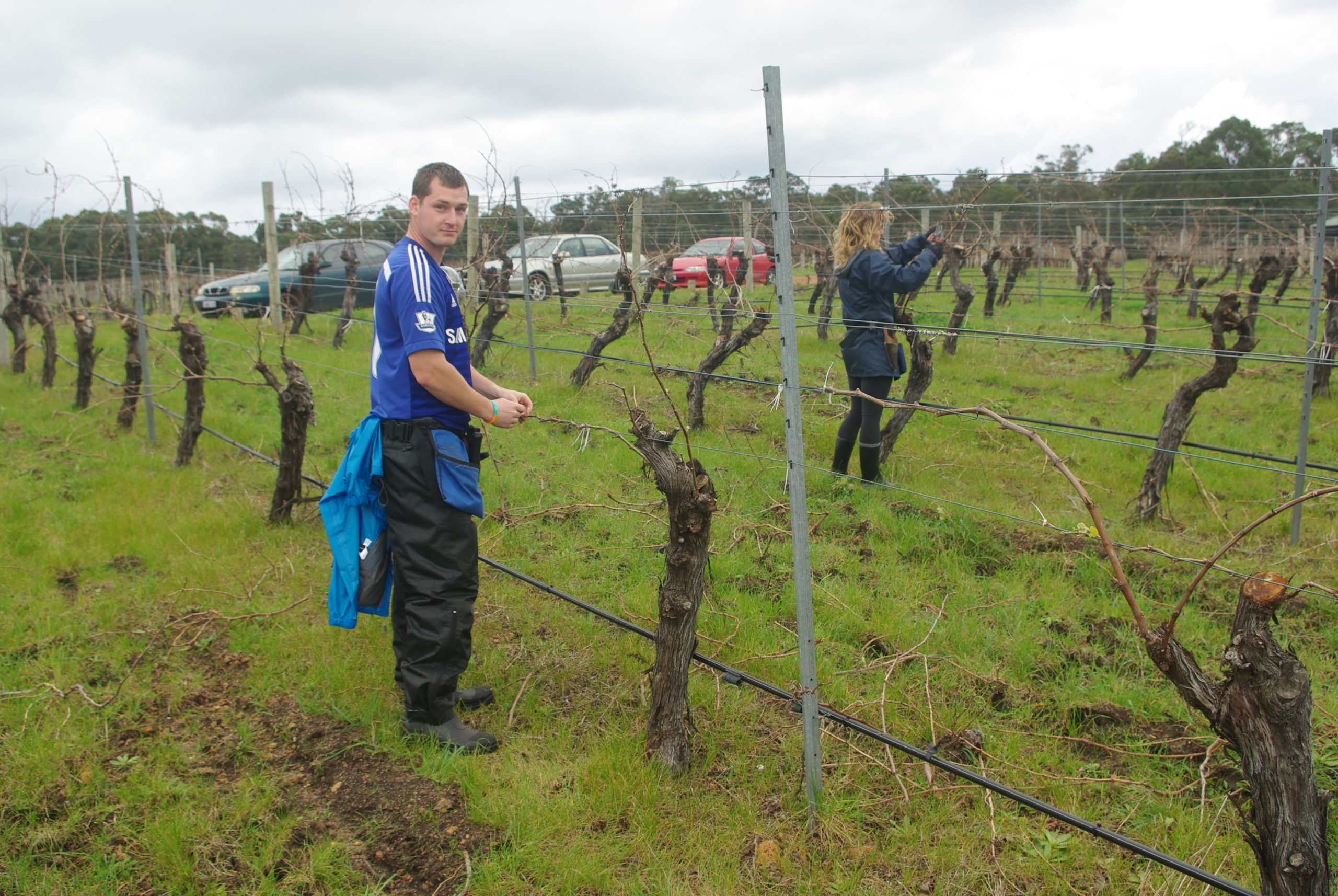
A few weeks after Melbourne I was on a vineyard outside Bundaberg, wrapping grape vines in the midday heat. That’s what the working holiday visa is for. When the money gets low enough, you find work, you do the weeks, and then you move on. Rinse and repeat.
I hated most of it while I was doing it. The hours were long and the work was physical in a way I wasn’t used to and there were days where I genuinely couldn’t explain to myself why I was there. But that’s not the version that stayed with me. What stayed was the people on the same farm doing the same thing, and the particular quality of a beer when you’ve actually earned it, and the feeling of checking your balance on a Saturday morning and knowing you can keep going.
What I’d needed, and what nobody warns you about on the flight over, was about two weeks of genuine discomfort before my brain recalibrated. Before I stopped comparing $11 to 50 baht and started just seeing $11. Before I stopped mourning the moped and started working out what I actually had instead.
The reset hurts. The first week in particular is a specific kind of demoralising that is hard to explain to anyone who hasn’t done the same trip in the same direction.
But it passes. And what’s on the other side of it is a completely different kind of travelling that is, in its own way, just as good.




Leave a Reply