Helsinki is compact enough that it is tempting to walk everywhere, but I think that misses part of what makes the city enjoyable to explore. Trams are part of the rhythm of central Helsinki, and combining a short ride with an unhurried walk gives you a much better sense of how the streets, architecture and waterfront fit together.
For a first visit, I would not try to cover as much ground as possible. A better approach is to use the tram to reach the area you want to explore, then slow down and walk. One of my favorite routes for doing that starts around Erottaja, cuts through some quieter corners of the center and eventually reaches the harbor and Katajanokka.
Start Around Erottaja, Then Leave the Main Streets
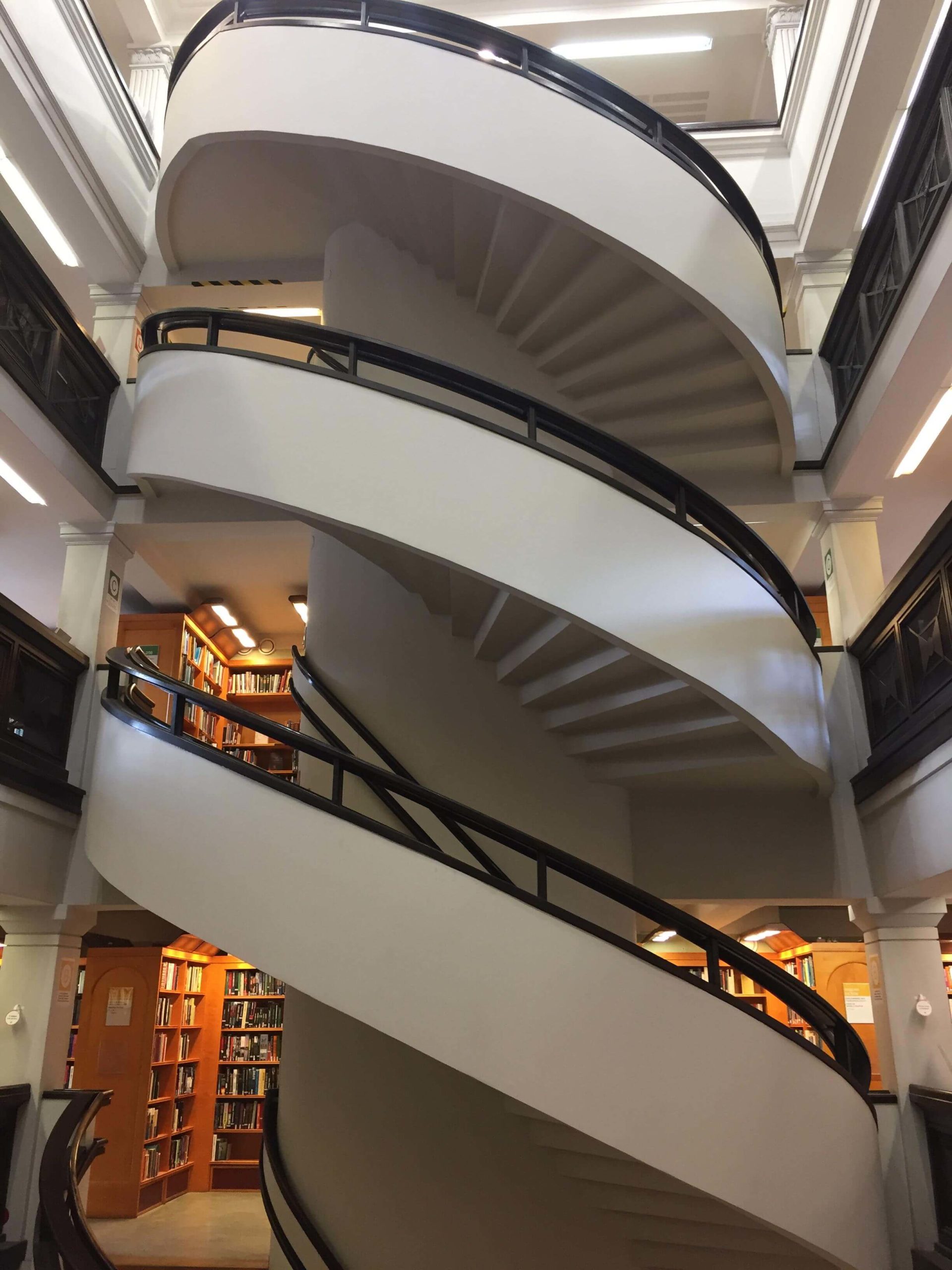
Erottaja is close to Helsinki’s busiest central streets, but you do not have to walk far before the atmosphere changes. Instead of staying on the obvious shopping routes, head toward Rikhardinkatu.
One stop worth making is Rikhardinkatu Library. You do not need to spend an hour here. Step inside for a few minutes and look at the interior, especially the sweeping staircases. This is exactly the kind of place I like including in a Helsinki walk because it is not a major attraction competing for your entire afternoon. It is simply an interesting part of the city that is easy to miss when you are moving from landmark to landmark.
From here, continue toward Kasarmitori.
Kasarmitori Shows a Different Side of Central Helsinki
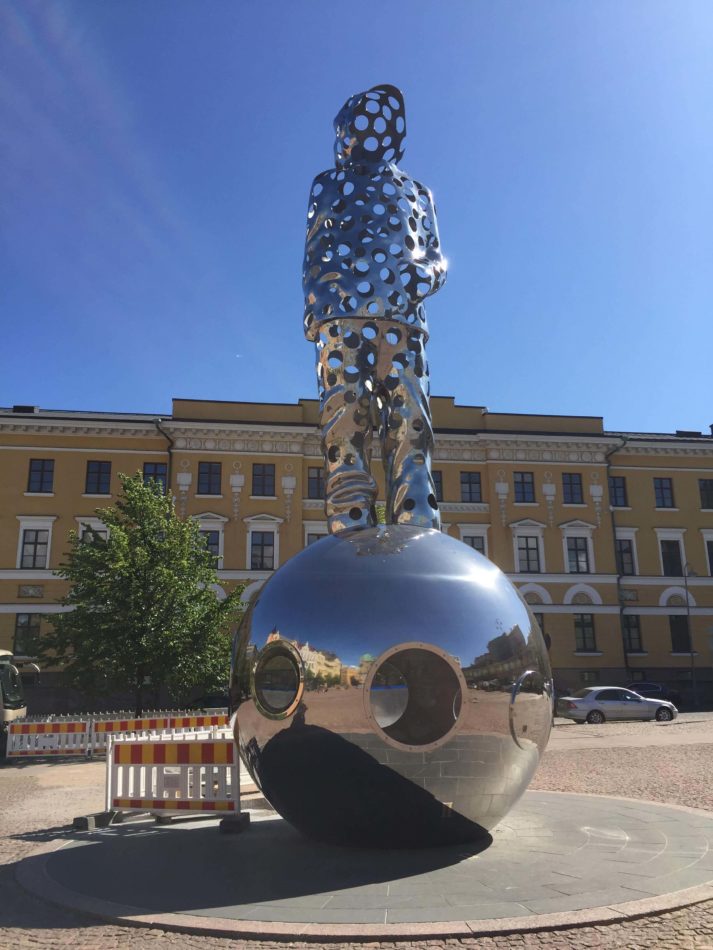
Kasarmitori is another place that many visitors pass close to without really noticing. The square feels considerably calmer than Senate Square or Market Square, and its surroundings give you space to look around rather than immediately move on to the next attraction.
The striking metal Winter War Memorial is difficult to miss once you enter the square. Whether or not you stop to study every detail, it changes the mood of this part of the walk and adds a historical layer to what otherwise feels like a quiet central Helsinki square.
This is one reason I prefer routes like this to a rigid sightseeing checklist. The memorable parts are not always the places you planned an entire trip around.
Walk South Toward Observatory Hill
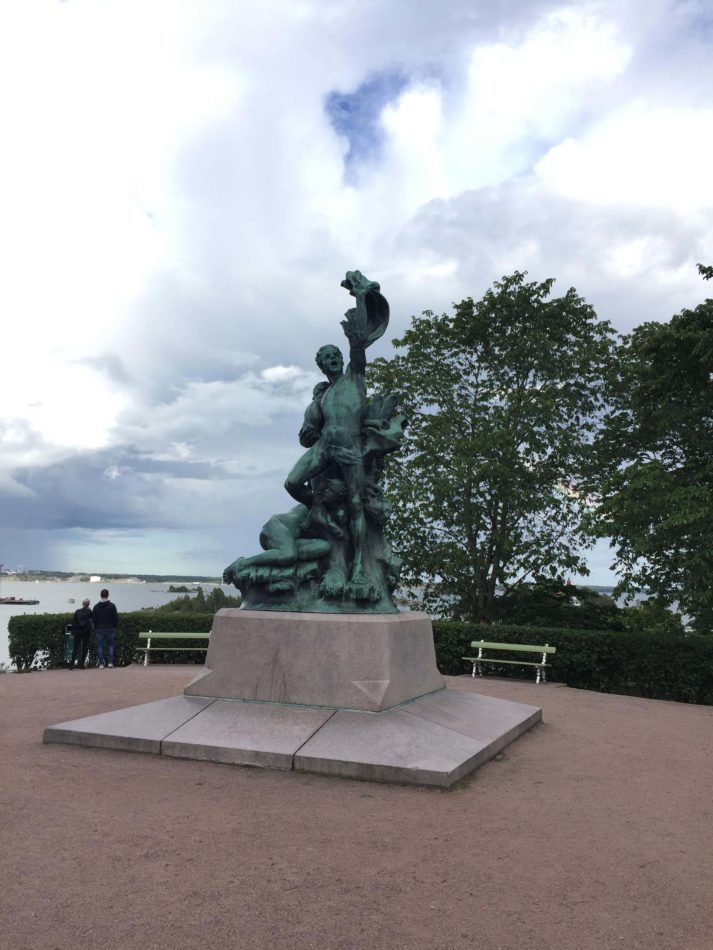
From Kasarmitori, continue south toward Observatory Hill, one of the best points on this route for changing perspective.
The streets begin to open toward the sea, and once you reach the park you are no longer simply walking through the center. The elevated setting gives the area a different feel, with greenery, sea views and public art all appearing within a relatively small space.
The sculpture overlooking the water is a natural place to pause. More importantly, this is where the route starts to explain something about Helsinki that a list of attractions cannot: the sea is never very far from city life.
If the weather is good, I would spend a little more time here rather than rushing on.
Follow the Waterfront Back Toward the Harbor
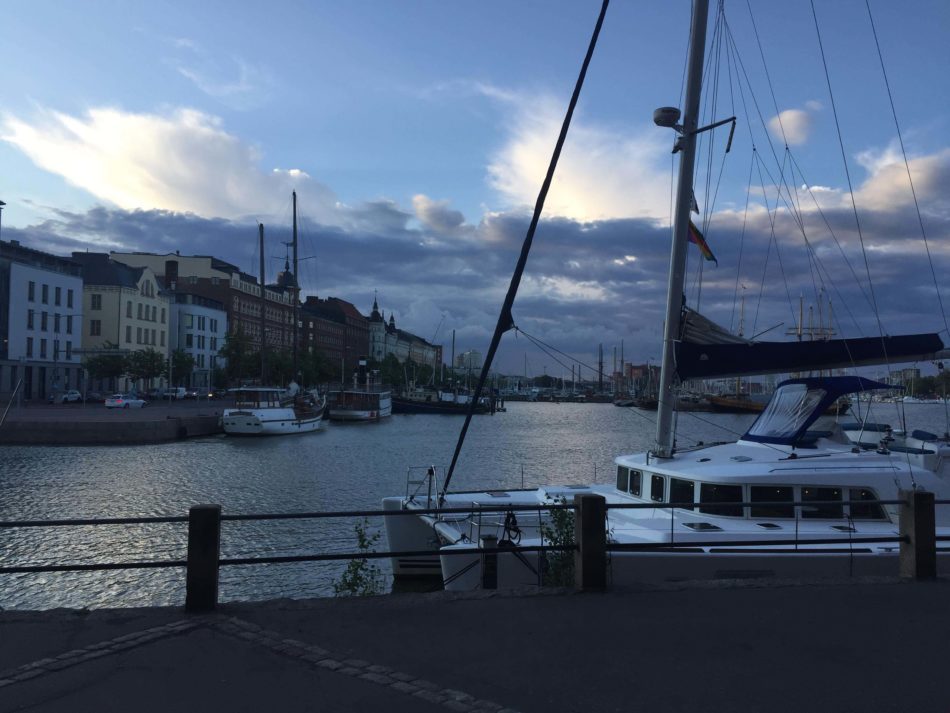
From Observatory Hill, head back toward the South Harbour and follow the waterfront north.
This stretch is less about ticking off sights and more about enjoying Helsinki’s maritime side. Boats, waterfront buildings and changing views across the harbor make it an easy section to take slowly.
It also creates a useful contrast with the beginning of the route. Less than an afternoon ago you were looking at libraries, city blocks and quiet squares; now much of the view is water and harbor activity.
That contrast is one of the things I like most about exploring central Helsinki on foot.
Finish at Uspenski Cathedral and Katajanokka
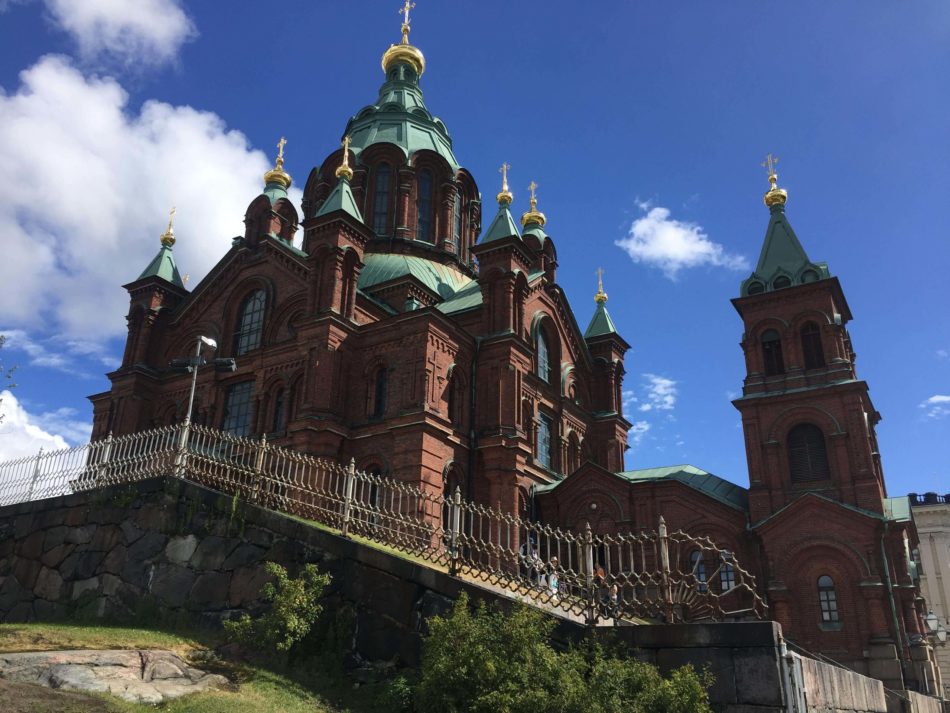
As you approach Katajanokka, Uspenski Cathedral becomes the obvious landmark. Its red-brick exterior, green roofs and golden details give this part of Helsinki a completely different character from the streets you crossed earlier.
The cathedral is worth seeing, but I would not treat it as the finish line. Continue a little farther into Katajanokka or along the waterfront. The neighborhood is close to some of Helsinki’s busiest visitor areas, yet parts of it quickly become quieter once you move away from the harbor.
This is a good place to end the walking part of the route.
Instead of retracing your steps, take a tram back through the center. Apart from saving your legs, it gives you one final view of the city from street level and completes the idea behind the route: use public transportation for movement, but get off and walk when the surroundings become interesting.
A Few Practical Tips Before You Go
You do not need a complicated transport plan for this route. Central Helsinki is compact, and most of the experience comes from the walking sections rather than spending time onboard a tram.
It is worth understanding the ticket zones before you board, especially if this is your first time using HSL. I’ve covered the practical details in more depth here.
I would also avoid planning every stop down to the minute. Leave enough flexibility to enter a building that looks interesting, sit in a park for a while or simply follow a street that catches your attention.
That is ultimately what makes tram-and-foot exploring work well in Helsinki. The tram gets you where you need to go; walking lets you notice why the place was worth reaching in the first place.





Leave a Reply