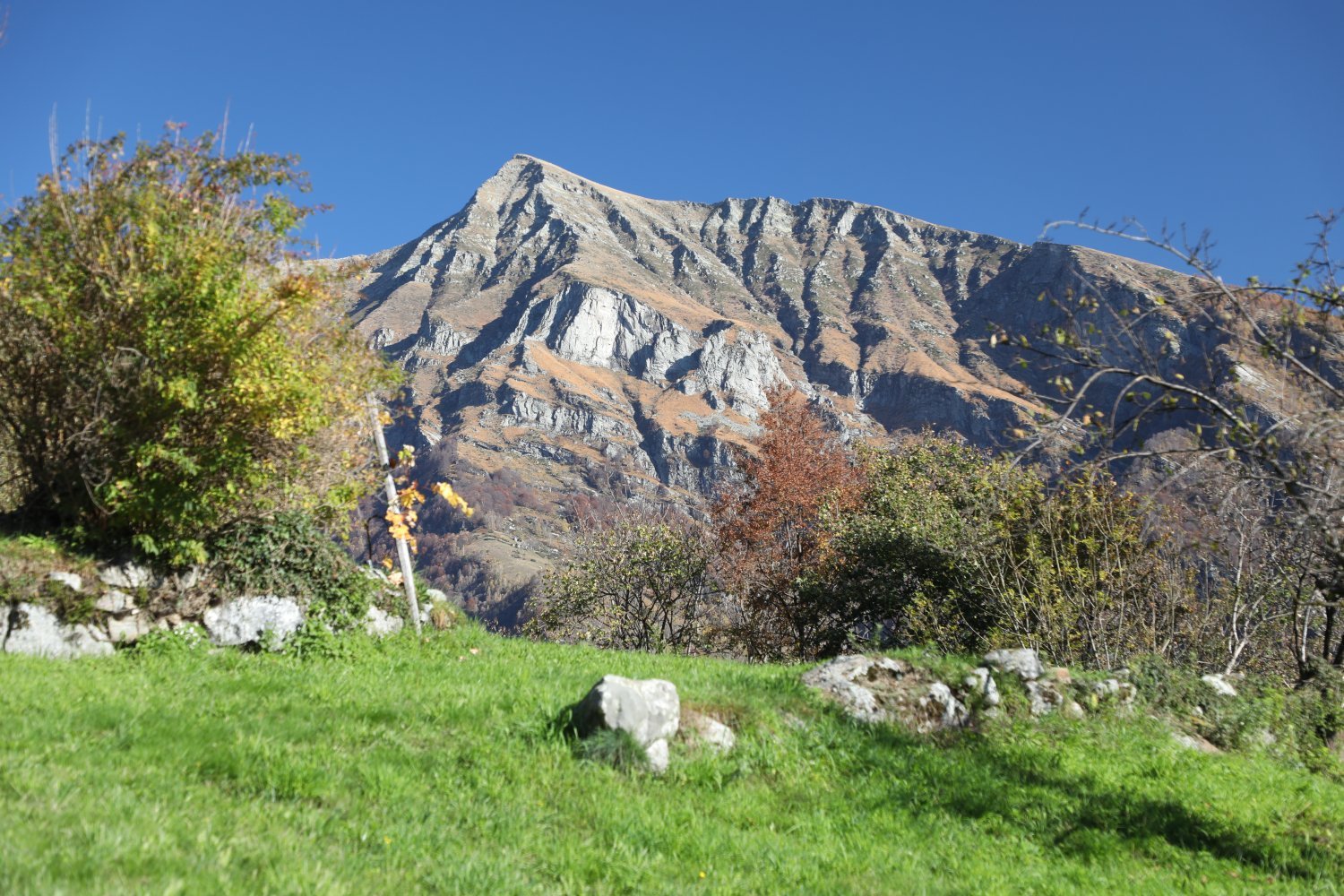
The European Alps stretch for more than 1,200 kilometres across eight countries, but the experience varies dramatically across the range. In France, high passes and glacier terrain dominate parts of the landscape, while Switzerland has car-free mountain villages, and Slovenia’s Julian Alps rise in sharp limestone peaks. Even getting around can feel completely different depending on where you are and the time of year.
In winter, ski lifts, deep snow, and high-altitude routes shape how people move through the mountains, while summer opens mountain passes, long-distance trails and hut-to-hut walks. Those seasonal changes affect everything from how you reach a valley to how much ground you can cover in a day. The sections below look at several corners of the Alps through practical details such as altitude, access, distance, and terrain.
Val d’Isère: Home to the Alps’ Highest Paved Pass
Col de l’Iseran reaches 2,770 metres above sea level, making it the highest road pass in the Alps. The D902 links the Tarentaise Valley with the Maurienne Valley, but the road is only open during the warmer months, from June to October depending on snow conditions. Snow clearance begins in spring and can take several weeks, with drifts reaching eight to ten metres in places.
In winter, Val d’Isère links with neighbouring Tignes to provide 300 kilometres of marked runs across a ski area extending from 1,550 metres to above 3,400 metres. The Pissaillas Glacier also reaches 3,197 meters and can remain skiable into June when conditions allow. Visitors touring Chalet Marco Polo in Val d’Isère will find it a convenient base for both the ski area and the village.
Once the pass reopens, cyclists can tackle the 17-kilometre climb from Val d’Isère, gaining around 900 meters before reaching the summit. The gradient reaches 7% on the Val d’Isère side, with the road climbing above the tree line into open high-alpine terrain.
Zermatt: Home to One of the Alps’ Few Car-Free Villages
Nestled at 1,600 meters beneath the iconic, jagged peak of the 4,478-metre Matterhorn, Zermatt serves as a legendary launchpad for alpine adventure. To preserve its crisp mountain air and tranquil charm, the village remains entirely car-free; travellers simply leave their vehicles in Täsch and take a quick 12-minute shuttle train into town.
Embracing this peaceful atmosphere, visitors navigate the bustling, historic centre on foot, by e-taxi, or via horse-drawn carriage as they head toward world-class trails and high-altitude lifts.
High above, the Matterhorn Glacier Paradise station ascends to an astounding 3,883 metres, the highest mountain station in Europe, offering breathtaking panoramas. For summer adventurers, Zermatt’s extensive trail system shines on the scenic 11.3-kilometre Five Lakes Walk between Sunnegga and Blauherd. Passing Stellisee, Grindjisee, Grünsee, Moosjisee, and Leisee, hikers are treated to dramatic reflections of the Matterhorn mirrored across the alpine waters.
The Alps: Home to a 165-Kilometre Trek Across Three Countries
The Tour du Mont Blanc is one of Europe’s best-known multi-day walking routes, circling the Mont Blanc massif through France, Italy, and Switzerland. The complete circuit covers more than 170 kilometres depending on the chosen variants and involves over 10,000 metres of climbing. Those planning alpine walking holidays can use the Tour du Mont Blanc as a benchmark for the preparation involved in longer hut-to-hut routes.
A common starting point is Les Houches in France’s Chamonix Valley. From there, the route passes through Les Contamines and crosses the Col de la Croix du Bonhomme before eventually entering Italy via the Col de la Seigne. After passing through the Courmayeur area, hikers cross the 2,537-metre Grand Col Ferret into Switzerland and continue towards places like La Fouly and Champex-Lac before turning back towards France.
Mountain huts and guesthouses are spread throughout the circuit, with many providing dormitory accommodation, dinner, and breakfast. Some also prepare packed lunches or offer luggage-transfer services. This makes it possible to walk the route without carrying camping equipment or several days of food, although hikers still need to carry suitable clothing, water, and the essentials required for a full day in the mountains.
Austria: Home to One of the Alps’ Longest Glaciers
The Pasterze lies below Austria’s highest mountain, the 3,798-metre Grossglockner, inside Hohe Tauern National Park. It remains the longest glacier in the Eastern Alps, although decades of retreat have reduced its size considerably. The national park currently estimates its area at around 16 square kilometres, with a glacier tongue extending roughly four kilometres.
Visitors can reach some of the best views via the Grossglockner High Alpine Road. Opened in 1935, the 48-kilometre route climbs through 36 bends and reaches Kaiser-Franz-Josefs-Höhe at 2,369 metres, where viewpoints look across the Pasterze toward the surrounding peaks. A funicular built in 1963 once took passengers down toward the glacier, but it closed permanently in 2025 after decades of retreat left the ice far beyond its lower station.
For climbers, Grossglockner presents a very different challenge. Routes such as the Stüdlgrat begin from the Kals side, with climbers approaching via the Stüdlhütte before continuing over glacier terrain and exposed rock toward the summit. In winter, the same high country is used for ski touring when snow and weather conditions are suitable.
Slovenia: Home to the Country’s Only National Park
Triglav National Park covers about 840 square kilometres in northwestern Slovenia and is the country’s only national park. It overlaps almost completely with the Eastern Julian Alps and takes its name from Mount Triglav, Slovenia’s highest peak at 2,864 meters. The mountain also appears on the national flag, giving it a significance that extends well beyond hiking and climbing.
The park contains the source of the Soča River, which emerges from a karst cave with an underground lake in the Trenta Valley. From there, the river cuts through narrow gorges and is known for its distinctive blue-green colour. Drivers can reach the valley via Vršič Pass, which climbs to 1,611 metres through 50 numbered hairpin bends between Kranjska Gora and the Soča Valley.
Lake Bohinj lies in the southern part of the park at 526 metres above sea level. Covering 3.18 square kilometres, it is Slovenia’s largest natural permanent lake and is fed mainly by the Savica River. In summer, the lake is used for swimming and kayaking, while the Vogel cable car rises to 1,535 metres above the valley, providing access to hiking in warmer months and skiing in winter.
Which side of the Alps calls you?
Choosing where to go in the Alps depends on the kind of terrain and access that suits your trip. Zermatt works differently because private cars stop in Täsch, Val d’Isère changes dramatically once Col de l’Iseran reopens for summer, and the Tour du Mont Blanc requires several days of walking across three countries.
Season, altitude, and transport all shape what is realistic. Road openings, lift schedules, and mountain hut availability can change from one part of the range to another, so it pays to check the practical details before setting an itinerary. Whether the goal is skiing, hiking, cycling, or simply reaching a high mountain pass, each region presents a different experience depending on the season.


I appreciated the practical perspective in Chasing Adventure Across the Alps, Winter and Summer – Dave’s Travel Corner. This related reference may also be useful: https://www.esimalpha.com/.