Adventure travel often leaves people with stronger memories than highly structured vacations. Physical effort, changing weather, and unfamiliar terrain can make places feel far more engaging to explore. Nature plays a major role in that experience. Forest sounds before sunrise, cold air moving across mountain trails, or strong ocean currents beside coral reefs often stay memorable long after the trip itself.
The places below attract travellers seeking experiences closely connected to the outdoors, with landscapes that still shape transportation, local industries, and everyday life.
Encountering Wildlife in the Heart of Uganda
Uganda’s wildlife experience feels closely tied to the country’s towns, roads, and rural communities. In Bwindi Impenetrable National Park, narrow roads pass tea plantations, roadside fruit stalls, and trading centres before reaching the forest edge. Gorilla trekking groups usually gather early in the morning near Buhoma or Rushaga, where guides explain tracking conditions while porters wait nearby carrying walking sticks and waterproof bags.
Inside the forest, the terrain can turn muddy in an instant, especially after overnight rain. Rangers often point out fresh elephant tracks or signs of black-and-white colobus monkeys high in the trees long before gorillas appear.
Many of the great Uganda safari packages combine Bwindi Impenetrable Forest with Queen Elizabeth National Park and Kibale Forest, allowing travellers to experience very different landscapes within the same trip. In Queen Elizabeth National Park, the Kazinga Channel is especially active during the afternoon as hippos gather along the shoreline while fishing boats move slowly across the water near Katunguru.
In Kibale, walking trails near Kanyanchu Visitor Centre lead through dense forest where chimpanzees frequently call from above the canopy. Fort Portal’s central market gives a good look at daily life in western Uganda, with matoke bananas, fresh tea, and smoked fish sold across crowded lanes beside Bwamba Road.
Exploring the Volcanic Landscapes of Iceland
Iceland’s volcanic terrain shapes nearly every drive outside Reykjavík. On the Reykjanes Peninsula, black lava fields stretch toward fishing towns like Grindavík, where older harbours still sit close to geothermal areas marked by rising steam and mineral deposits. Near the Gunnuhver hot springs, wooden walkways cross unstable ground where boiling mud pools hiss constantly beneath the surface. The roads in this region often feel exposed, especially during strong Atlantic winds moving across the coast.
In Reykjavík itself, Laugavegur stays busy late into the evening with shops serving travellers heading toward the highlands. Outside the capital, the Golden Circle draws heavy traffic around Þingvellir National Park, Gullfoss waterfall, and the Geysir geothermal area.
Many visitors continue farther south toward Vík, where Reynisfjara’s black-sand beach and basalt cliffs attract photographers throughout the day. Closer to Hvolsvöllur, small roadside museums and fuel stations become regular gathering points for hikers, campervan travellers, and local farmers moving equipment between nearby fields.
Hiking the Famous W Trek in Chile
Torres del Paine National Park in southern Chile has become one of Patagonia’s most recognised hiking areas, though conditions on the W Trek still feel unpredictable. Wind gusts regularly move across Lago Nordenskjöld with enough force to push hikers sideways on exposed sections of trail. Near Refugio Central, trekkers reorganise backpacks, fill water bottles, and check weather boards before continuing toward the Base Torres viewpoint. Early morning departures remain common because cloud cover often builds later around the granite towers.
Those keen to discover the W trek in Patagonia usually spend a night in Puerto Natales first, where outdoor gear shops along Manuel Bulnes Street stay crowded with hikers checking fuel canisters, waterproof layers, and trail maps before entering Torres del Paine National Park. Along the trail itself, the section near Glacier Grey draws constant attention as floating ice moves slowly across the lake beneath strong winds at the Southern Patagonian Ice Field. Campgrounds near Paine Grande stay busy during peak season, with muddy boots and drying jackets covering nearly every available railing by late afternoon.
Discovering the Ancient Wonders of Peru
Peru’s historic sites feel closely connected to the surrounding mountain landscape. In Cusco, steep stone streets around San Blas lead toward small plazas where local artists sell paintings and woven textiles beside old colonial buildings.
The San Pedro Market stays crowded from early morning, with stalls selling coca leaves, Andean potatoes, fresh juice, and hot food carried through narrow aisles on metal trays. Altitude affects many visitors during their first days here, especially while walking uphill through the older sections near Hatun Rumiyoc Street.
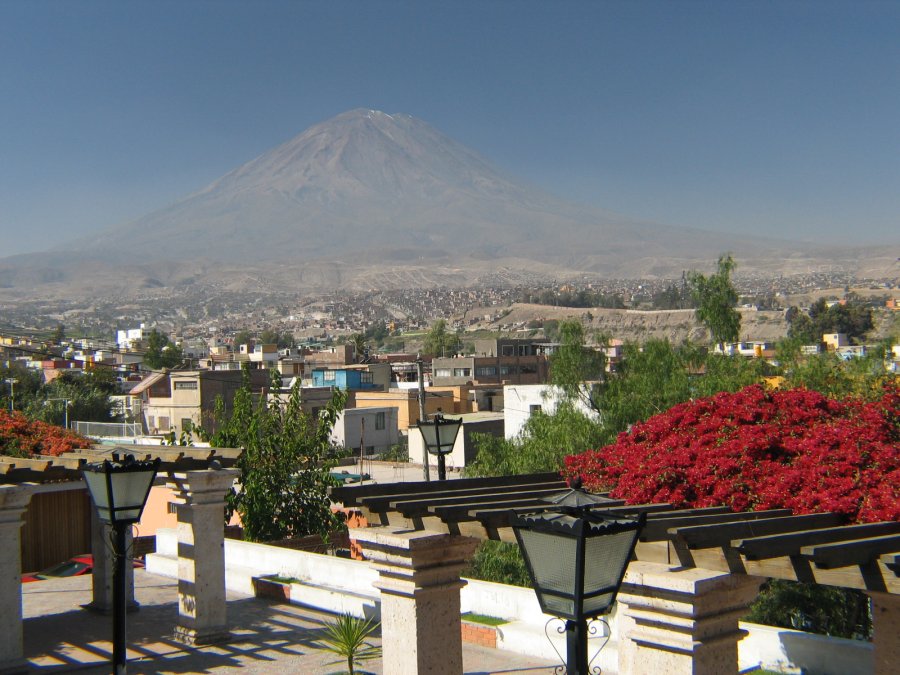
Most trekkers continue toward Machu Picchu, either by train from Poroy Station or through sections of the Inca Trail. In Ollantaytambo, narrow water channels still run beside stone pathways first built during the Inca period. The archaeological terraces above town remain active grazing areas for local families using the hillsides long before tourist groups arrive each morning.
Near Aguas Calientes, market stalls line Avenida Pachacútec selling ponchos, alpaca scarves, and handmade jewellery while buses climb the steep road toward the citadel throughout the day.
Pristine Marine Environments and Tropical Reefs in Fiji
Fiji’s marine environment shapes daily life across many islands long before visitors reach the beaches. In Suva, fishing boats unload tuna and reef fish near the municipal market while vendors prepare cassava, papaya, and taro beside busy roadside stalls along Rodwell Road.
Ferries travelling between islands remain important for local transport, especially around the Yasawa and Mamanuca groups, where smaller communities still depend heavily on fishing and agriculture. Coral reefs near these islands support large numbers of tropical fish, sea turtles, and reef sharks visible even during short snorkelling trips.
It’s worth taking time to plan where to stay in Fiji, especially for travellers hoping to spend more time near reefs, smaller island villages, and quieter stretches of coastline beyond the busy marina areas around Nadi. In Taveuni, dive boats regularly leave from small coastal villages toward the Rainbow Reef, where soft coral formations stretch across deep channels filled with strong currents.
On Vanua Levu, quiet roads pass coconut plantations and waterfront settlements where children gather near rugby fields during the afternoon. Denarau Marina near Nadi stays much busier, with ferries, catamarans, and supply boats moving constantly between the outer islands and Viti Levu’s western coast.
Where will your next journey lead?
Adventure trips rarely go exactly as planned, and that unpredictability is often part of the appeal. Conditions can shift quickly in places shaped by forests, mountains, glaciers, and open water. Wildlife sightings happen without warning, hiking trails become more difficult after heavy rain, and remote towns continue following routines that have little to do with tourism.
The destinations above appeal to travellers who enjoy being outdoors and noticing the smaller details that emerge once the main attractions fade into the background.




Leave a Reply