
The Importance of Taking Time to Understand Your Emotions
In our fast-paced modern world, many people treat uncomfortable feelings like minor inconveniences that should be ignored or pushed aside as quickly as possible. When sadness, anxiety, frustration, or fear surfaces during a busy workday, the default reaction is often to suppress those sensations, put on a brave face, and keep moving forward. We force ourselves to keep working, scrolling, or managing responsibilities, assuming that if we simply ignore our difficult feelings, they will eventually fade away on their own.
A very common misconception in society is the belief that taking time to unpack your emotions is a wasteful, self-indulgent exercise or a sign of personal weakness. We worry that giving attention to difficult feelings will make them stronger, drag us into a downward spiral, or stop us from being productive. In reality, attempting to ignore what you feel does not make those emotions disappear. Taking time to gently identify, accept, and process your feelings is an essential act of self-care that prevents emotional burnout, clears mental fog, and builds lasting peace of mind.
Why Ignoring Your Emotions Backfires
When you habitually push your feelings down, they do not simply evaporate; they get stored directly in your body and mind as unresolved internal tension. Suppressing difficult emotions keeps your nervous system on high alert, which often manifests as unexplained physical symptoms like tight shoulders, stomach aches, frequent headaches, or chronic fatigue. Consistently tracking emotional patterns with the Overwell wellbeing app helps illustrate how buried feelings frequently surface as sudden mood swings, explosive irritability, or a persistent, heavy sense of underlying anxiety.
Ignoring your internal state also makes it almost impossible to address the true root causes of your daily stress. For example, you might react to feeling irritable with a loved one without realizing that the underlying emotion is actually deep physical exhaustion or fear of failure. When you only react to surface-level frustration rather than understanding the root cause, you end up treating the wrong issue, leaving the core emotional problem untouched to trigger negative cycles again and again.
How Unpacking Your Feelings Improves Well-Being
Stepping back to gently identify and process what you are feeling creates vital breathing room within your mind. Psychological research shows that simply naming an emotion—a practice often called emotional labeling—instantly reduces the activity in the fear center of your brain. Putting words to a vague, uncomfortable feeling takes away its chaotic power, helping your nervous system relax and giving you back a clear sense of personal control.
Taking time to understand your feelings also provides invaluable guidance about your life, values, and personal boundaries. Emotions are not random attacks designed to ruin your day; they are important internal messages highlighting what truly matters to you. Anger often signals that a personal boundary has been crossed, while sadness may indicate that you need rest, comfort, or a moment to grieve a loss.
Understanding these internal signals helps you make thoughtful, self-honoring decisions rather than reacting impulsively out of stress.
Simple Ways to Start Understanding Your Emotions
Building emotional awareness does not require hours of intense therapy or complex exercises; it begins with short, intentional daily check-ins with yourself. Set aside a few quiet minutes during your day—without screens, background music, or outside distractions—to pause and turn your attention inward. Ask yourself one simple question: “What am I feeling in my body and mind right now?” Let whatever comes up exist without immediately trying to label it as “good” or “bad.”
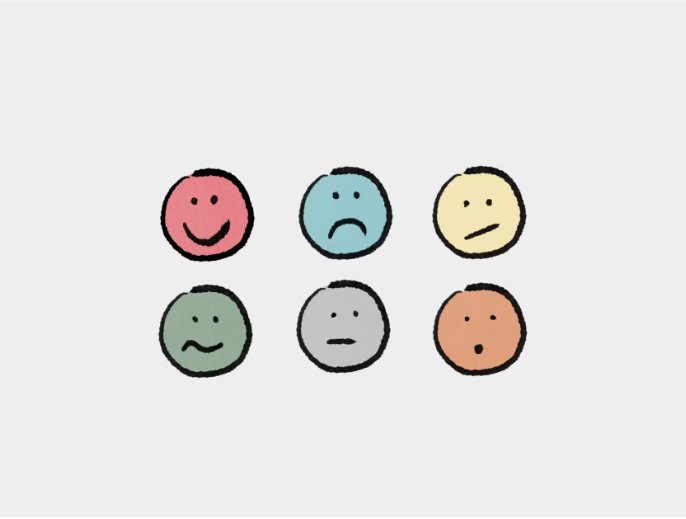
Translating your physical sensations into descriptive language is another powerful way to build self-clarity. Instead of settling for broad words like “fine,” “stressed,” or “bad,” try to look deeper for more specific terms like “disappointed,” “overwhelmed,” “lonely,” or “apprehensive.” Writing your thoughts down in a private journal or speaking them out loud in a quiet room gives those abstract feelings shape, making them far easier to process, understand, and gently release.
Navigating Uncomfortable Feelings Without Judgment
One of the most transformative shifts in emotional health is learning to sit with uncomfortable sensations without rushing to fix, judge, or distract yourself from them. When difficult feelings arise, our immediate impulse is to run away through mindless phone scrolling, overeating, working continuously, or criticizing ourselves for feeling weak. Practicing gentle tolerance allows you to notice discomfort, breathe through the sensation, and remind yourself that feelings are temporary visitors that come and go like waves.
Replacing harsh self-criticism with gentle self-compassion is crucial during this process. Instead of telling yourself, “I shouldn’t feel this way,” or “I am being ridiculous,” try adopting an accepting, supportive tone: “It makes complete sense that I feel overwhelmed given everything on my plate today.”
Treating yourself with the same warmth and kindness you would offer a dear friend builds deep internal trust, making it safe to explore your true feelings without fear of self-judgment.
Building a Compassionate Connection With Yourself
Taking the time to understand your emotions is not about trying to control your mind or eliminating hard feelings forever; it is about building a healthy, compassionate relationship with yourself. By recognizing that your feelings are valuable messages meant to guide and protect you, you can stop fighting your internal experience and start making choices that support your emotional stability.
You can begin cultivating emotional clarity right now by pausing for just one minute, taking three deep breaths, and checking in with how your body feels today. Notice any lingering tension, acknowledge what you are carrying, and give yourself permission to feel it without judgment. Discover how taking time to understand your emotions can clear your mind, protect your energy, and bring lasting peace back to your life!





Leave a Reply