Photo by Jonathan Borba on Unsplash
Modern travel often revolves around efficiency. Flights reduce journeys that once took days to just a few hours, making it possible to visit distant destinations over a single weekend. While speed certainly has its advantages, it isn’t always the best measure of a memorable trip. Some of the world’s most rewarding travel experiences happen at a slower pace, where the journey itself becomes as meaningful as the destination waiting at the end.
Train travel offers exactly that kind of experience. Instead of viewing transportation as something to endure, rail journeys encourage travelers to enjoy changing landscapes, historic stations, and uninterrupted hours that feel surprisingly disconnected from the pressures of modern life. Mountains replace city skylines, forests give way to rivers, and small villages appear between larger destinations in a way that flying simply cannot replicate.
For many travelers, choosing the train isn’t about reaching a destination as quickly as possible. It’s about discovering everything that exists between departure and arrival.
Slowing Down Can Make the Entire Trip More Enjoyable
One of the greatest advantages of train travel is the opportunity to settle into a more relaxed rhythm. There is no need to navigate multiple security checkpoints, rush across terminals, or arrive hours before departure. Instead, travelers often board with enough time to find a comfortable seat, watch the platform come alive, and ease naturally into the journey.
Longer journeys also create opportunities to establish small travel routines that make the experience more enjoyable. Some travelers bring books they have been meaning to read, others keep journals or simply enjoy watching the scenery unfold beyond the window. Many also prepare for quieter moments during their travels by exploring https://medterracbd.com/ before departure as part of their broader wellness routine. Creating time to relax rather than constantly rushing between destinations often becomes one of the most rewarding parts of traveling by rail.
When the pressure to move quickly disappears, travelers frequently notice details they might otherwise miss. Conversations become longer, landscapes more memorable, and the journey itself begins to feel like part of the holiday rather than simply transportation.
Scenic Routes Reveal Places Flights Never Show
Air travel provides an impressive view from thousands of feet above the ground, but it rarely creates a meaningful connection with the places below. Train travel offers an entirely different perspective by moving directly through valleys, coastlines, mountain ranges, farmland, and historic towns that would otherwise remain unseen.
Many famous rail routes have become destinations in their own right because of the scenery they reveal. Alpine crossings, coastal railways, countryside landscapes, and routes through national parks demonstrate how dramatically a landscape can change over the course of a single day. Travelers witness transitions that simply disappear during a flight.
This slower perspective also creates a stronger sense of geography. Instead of arriving instantly in a new city, passengers experience the gradual shift between regions, cultures, and landscapes, making each destination feel more connected to the places surrounding it.
The result is a journey that feels richer because every mile contributes to the overall experience.
Train Stations Often Lead to Better Discoveries
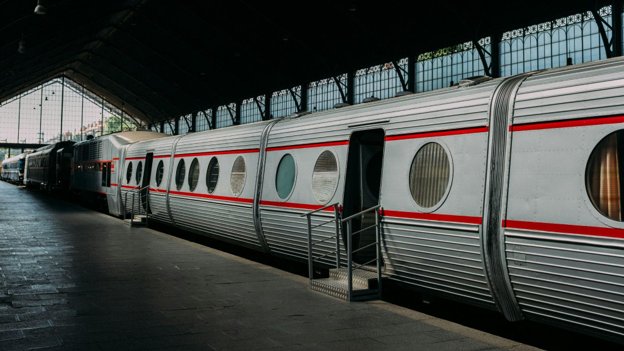
Photo by Edgar on Unsplash
Unlike many airports located far from city centers, railway stations frequently place travelers directly within historic districts or lively neighborhoods. Stepping off a train often means immediately walking into local cafés, public squares, markets, or pedestrian streets instead of arranging additional transportation.
This convenience naturally encourages exploration. Travelers are more likely to spend time wandering nearby streets, visiting independent shops, or stopping for lunch before continuing their journey. These spontaneous discoveries often become some of the most memorable moments of the trip.
Historic railway stations also reflect the architectural character of the cities they serve. Many have been carefully preserved for generations, combining impressive design with everyday functionality. Rather than simply passing through another anonymous terminal, passengers begin experiencing local culture from the moment they arrive.
These smaller experiences add depth to travel in ways that are difficult to replicate when flying.
Time on the Train Becomes Time Well Spent
Many people assume longer travel automatically means wasted time, but train journeys often prove the opposite.
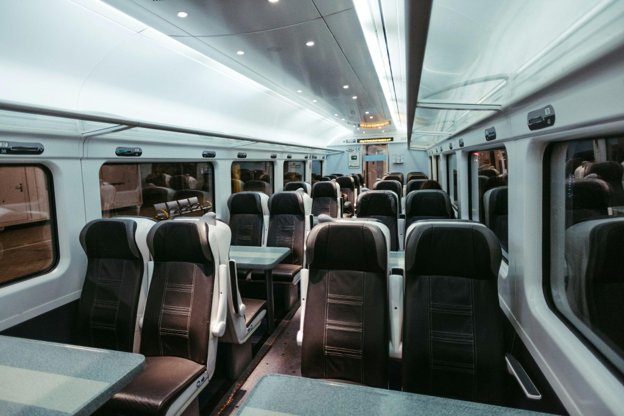
Comfortable seating, reliable workspaces, dining cars, and uninterrupted views allow passengers to use their travel time productively or simply enjoy a rare opportunity to slow down. Some read, others write, edit photographs, plan upcoming destinations, or simply watch changing landscapes without feeling pressured to remain constantly connected.
The absence of driving responsibilities also makes train travel especially relaxing. Everyone on board shares the same destination, allowing passengers to focus entirely on enjoying the experience instead of navigating traffic or unfamiliar roads.
This slower pace encourages mindfulness in a way that modern travel often lacks. Hours that might otherwise disappear in airport queues become opportunities to appreciate the journey itself.
Choosing the Train Changes the Way People Travel
Traveling by rail naturally encourages a different mindset.
Instead of treating destinations as isolated points on a map, travelers begin noticing the regions between them. Small towns become interesting places to explore rather than names passed at high speed. Local restaurants, regional traditions, and changing landscapes gradually become part of the overall adventure instead of remaining invisible beneath flight paths.
This perspective often leads people to travel differently in the future. Rather than asking only how quickly they can reach a destination, they begin asking what experiences they might discover along the way.
That shift transforms transportation into exploration.
It also creates opportunities to visit places that might never have been considered if speed had remained the only priority.
Some Journeys Deserve to Be Experienced Rather Than Finished
Fast travel will always have an important place, particularly when time is limited or destinations are separated by great distances. Yet not every trip needs to be measured by efficiency alone.
Some rail journeys become unforgettable because they encourage travelers to appreciate every stage of the experience. The changing scenery, conversations with fellow passengers, historic stations, and gradual transition between landscapes all contribute to memories that remain long after the destination has been reached.
The best train journeys remind people that travel isn’t only about arriving somewhere new. It’s also about everything discovered before reaching that final station. Sometimes the slower route reveals experiences that no shortcut ever could, proving that the most rewarding journeys are often those where the journey itself becomes the destination.





Leave a Reply