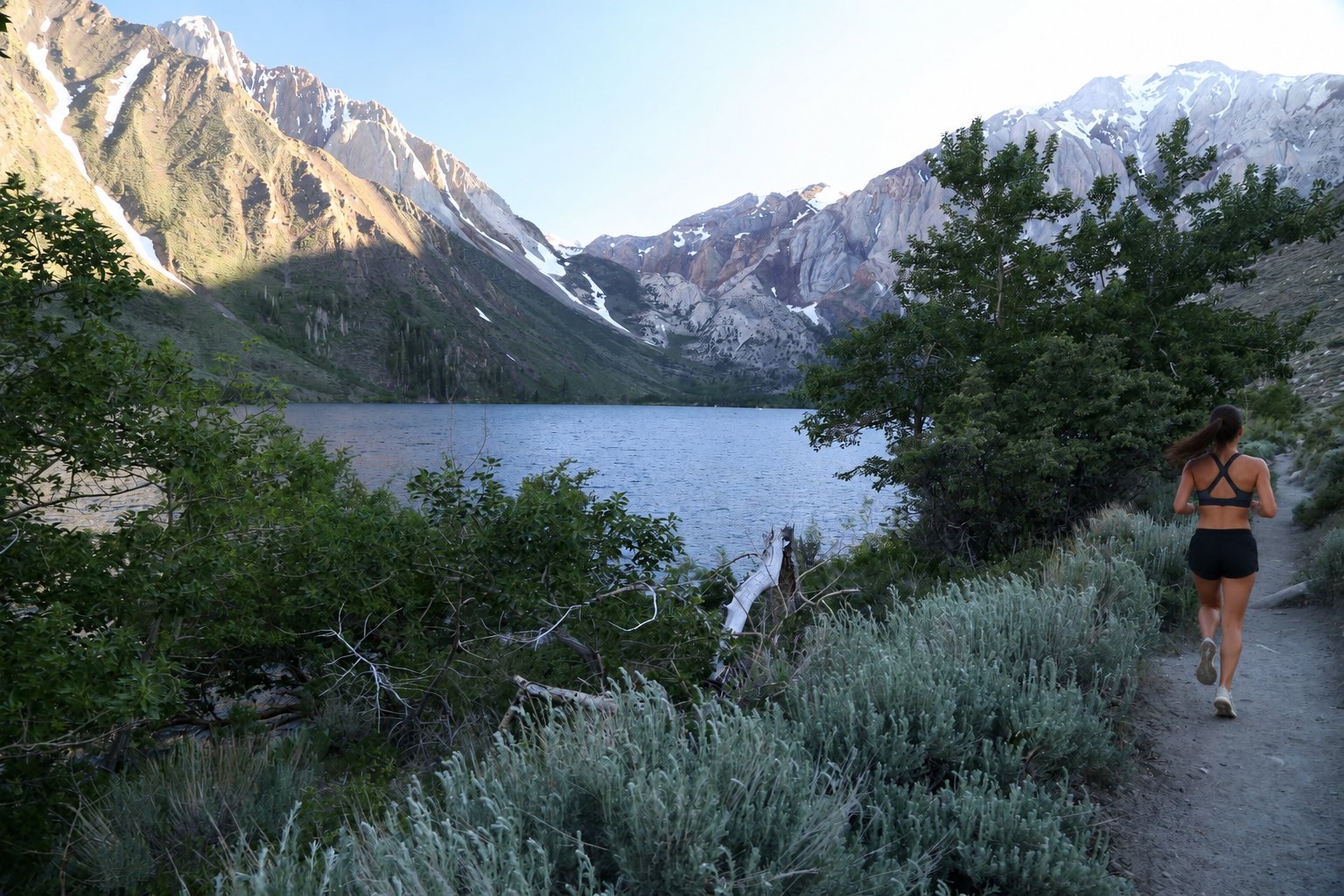
Serious runners often focus on mileage, pacing, nutrition and recovery, while location can transform your training just as much as any workout plan. You quickly feel the difference when you leave a flat coastal route for a mountain trail thousands of feet above sea level; your breathing changes, your legs respond differently and your focus sharpens with every mile.
Across the United States, runners now plan trips around performance goals so they can challenge themselves in places built for endurance training. Some travelers head toward cool mountain towns with steep climbs, while others chase smooth oceanfront roads where fast pacing feels easier to maintain.
This growing interest in performance travel has turned marathon preparation into something more adventurous, more personal and far more connected to the landscapes around you during every run. Strava’s latest Year in Sport report recorded a 9% increase in marathon and ultramarathon participation over the past year, which reflects how quickly destination-focused running culture continues to grow.
How altitude and terrain affect marathon training
Altitude training pushes your body to work harder as oxygen levels drop at higher elevations, creating a very different running experience from sea-level training. During your first few runs in places like Boulder or Flagstaff, even easy miles can feel demanding while your lungs adjust to thinner air.
Over time, many runners develop stronger aerobic endurance after consistent training at elevation, which is why elite marathoners often spend weeks in mountain towns before major races. Terrain also changes how your body responds during training sessions: rolling hills strengthen your legs and improve climbing ability, while flatter routes support speed work and steady pacing.
Heat and humidity create another challenge in southern cities such as Miami, where sunrise runs still feel intense during warmer months. Ultimately, your ideal training destination depends on the type of race experience you want to build.
Coastal cities versus mountain destinations for runners
Coastal running cities create a completely different feeling from high-altitude destinations, while each style of training offers its own rewards for distance runners. In places like Miami or San Diego, you can settle into long runs beside the water while sea-level air supports smoother breathing and steady pacing during marathon preparation.
Many runners enjoy the mental calm that comes with oceanfront routes, where the scenery feels open and rhythmic over long distances. Mountain towns create a tougher physical challenge from the first mile, which is why places like Boulder attract runners searching for greater endurance gains.
Flagstaff pushes the body even harder with elevations close to 7,000 feet and endless forest trails built for stamina training. Features examining the top marathon destination in every state often point toward the powerful connection between local geography, race traditions, training styles and the overall running experience found across the country.
Notable training spots across the United States
Boulder, Colorado, remains one of the most respected running destinations in America while its altitude sits around 5,400 feet above sea level. You can spend the morning climbing mountain trails, then recover in a town filled with runners who treat endurance sports as part of daily life. Flagstaff, Arizona, feels quieter and more rugged, while its higher elevation draws professional marathoners searching for stronger cardiovascular conditioning before race season.
Meanwhile, San Francisco offers a completely different challenge with steep streets, cool coastal winds and constant elevation changes that force you to manage your energy carefully. Equally, Miami tests runners through humidity and heat, while flat roads support faster pacing when your body adapts to the climate.
As you can see, every city creates a distinct emotional connection during training, which means your memories of the experience often stay with you long after race day finally arrives.
Who should consider altitude training
Altitude training works best for runners who already have experience with structured marathon preparation, while beginners often struggle during their first exposure to higher elevations. If you already feel comfortable with long-distance mileage and consistent recovery routines, a mountain training trip can help push your endurance to another level.
Many marathon runners spend several weeks at elevation before returning to lower ground for competition, where sea-level oxygen can make race pacing feel smoother and more controlled. Some runners, however, find altitude difficult due to slower recovery, disrupted sleep and dehydration during the adjustment period.
Runners with respiratory or cardiovascular concerns should approach high-elevation training carefully while speaking with medical professionals before planning extended trips. Sea-level destinations still offer tremendous value for athletes focused on speed work, consistent mileage and recovery-focused marathon preparation. Overall, listening to your body matters far more than following popular training trends without understanding your limits.
Final thoughts
Running travel continues to grow in popularity while more athletes search for training experiences that feel meaningful beyond simple mileage goals. A destination run gives you the chance to test yourself in unfamiliar conditions, while new scenery often brings fresh motivation during difficult stretches of marathon preparation.
Some runners discover their strongest performances after weeks spent training in mountain towns, while others thrive beside the ocean where breathing feels easier and pacing becomes more natural over long distances. The United States offers a remarkable variety for runners willing to explore, from alpine routes in Colorado and Arizona to humid coastlines in Florida and dramatic city streets in California.
Your ideal training location depends on your goals, your experience level and the kind of challenge that keeps you excited about running. Overall, great running destinations improve fitness while also giving you unforgettable memories tied to landscapes, weather and personal breakthroughs earned mile after mile.





Leave a Reply