When people plan trips around Manila, the usual focus tends to fall on the obvious city landmarks, quick food stops, shopping districts, or short day tours. That makes sense. Metro Manila is dense, chaotic, layered, and full of places that can fill a packed itinerary. But if travelers only stay inside the usual urban loop, they often miss one of the most meaningful destinations connected to the wider story of Manila Bay and Philippine history: Corregidor Island.
Corregidor is not the kind of place that fits neatly into a typical beach-trip mindset. It is not a resort destination, not a nightlife stop, and not a place people visit just to lounge around. Instead, it is one of those rare trips that feels bigger than the average excursion. It combines scenery, movement, wartime memory, island atmosphere, and historical significance in a way that stays with people long after the day ends.
That is exactly why it deserves more than a casual mention in a travel roundup. Corregidor works best when travelers understand it not only as a standalone destination but as part of a bigger Manila and Philippine travel narrative. If someone wants a trip that feels more substantial than a random sightseeing stop, Corregidor is one of the strongest side trips they can consider.
For anyone planning the destination in more detail, this full Corregidor Island travel guide breaks down the logistics, itinerary flow, and practical expectations much more clearly.
Corregidor Is More Than a Historical Landmark
A lot of travelers hear about Corregidor in a historical context first. They know it as a wartime island, a former fortress, or a place associated with one of the most important chapters in Philippine and World War II history. All of that is true. But what makes Corregidor memorable is that it still feels physical and experiential in a way many historical destinations do not.
This is not just a site where you stand in front of a marker, read a summary, and move on. Corregidor is the kind of place where the environment itself carries the message. The ruins are not tucked into a corner. The memorials do not feel detached from the land around them. The roads, the old structures, the open sky, and the view toward the bay all work together to create a destination that feels active in memory even if the island is quiet in mood.
That is one reason Corregidor hits differently from many day trips near Manila. It is not just historically important in theory. It still feels historically important when you are there.
Why It Works So Well as a Day Trip From Manila
One of the biggest strengths of Corregidor is that it can still work as a realistic day trip for travelers coming from Manila or nearby areas. That matters because not every meaningful destination has to require a multi-day commitment. Corregidor proves that a full day can still feel rich, layered, and rewarding if the place itself has enough weight and substance.
At the same time, it is important to understand that Corregidor is not a casual “squeeze-it-in” stop. This is not the kind of side trip you casually add after brunch. It works better when treated as the main event of the day. The crossing, the guided flow, the stops on the island, and the overall pacing all feel better when travelers commit to the experience properly instead of trying to force it into a rushed schedule.
That is also why a practical guide matters. People often ask whether Corregidor is worth it, whether the trip feels tiring, how current access works, and whether one day is enough. Those are valid questions because Corregidor is not just about seeing a few attractions. It is about understanding the rhythm of the trip and deciding whether that style of travel suits you.
Corregidor Belongs in a Wider Manila Heritage and Culture Route
What makes Corregidor especially compelling is how well it connects to the broader travel identity of Manila and the Philippines. If someone is already interested in places shaped by movement, memory, city life, and heritage, Corregidor does not feel random at all. It feels like part of a wider story.
For example, a traveler exploring the city through public spaces and waterfront renewal can start with the Pasig River Esplanade guide. That experience highlights another side of Metro Manila, one tied to urban movement, changing public spaces, and the relationship between water and the city. It is a very different setting from Corregidor, but both places become more interesting when viewed as part of the broader geography and story of Manila.
The same goes for heritage-rich districts like Quiapo. A walk through the city becomes much more meaningful when travelers understand how places layer religion, commerce, architecture, street life, and history into a single experience. For readers building that kind of deeper Manila itinerary, this things to do in Quiapo travel guide is one of the best follow-up resources.
Corregidor fits naturally into that same travel philosophy. It is not just about “another place to visit.” It is about going beyond the surface and finding destinations that reveal something larger about the country.
It Is Not a Beach Trip, and That Is the Point
One reason Corregidor deserves honest writing is because it is easy to oversell the wrong things about it. The word “island” can mislead people. It can make them think of soft sand, tropical ease, or spontaneous leisure. Corregidor is not built around that kind of energy.
The island is better understood as a heritage-heavy, memorial-driven, history-rich destination with an island setting rather than an island getaway with a bit of history added in. That distinction is important because it changes expectations completely.
If someone goes to Corregidor wanting a carefree resort atmosphere, they will likely be disappointed. If someone goes there wanting scenery with substance, a destination with emotional weight, and an experience that feels different from a standard Manila side trip, the island makes much more sense.
This is also why Corregidor stands out from typical travel content. It is not trying to impress you with comfort. It earns its place through meaning, atmosphere, and context.
The Visual Side of Corregidor Is Underrated
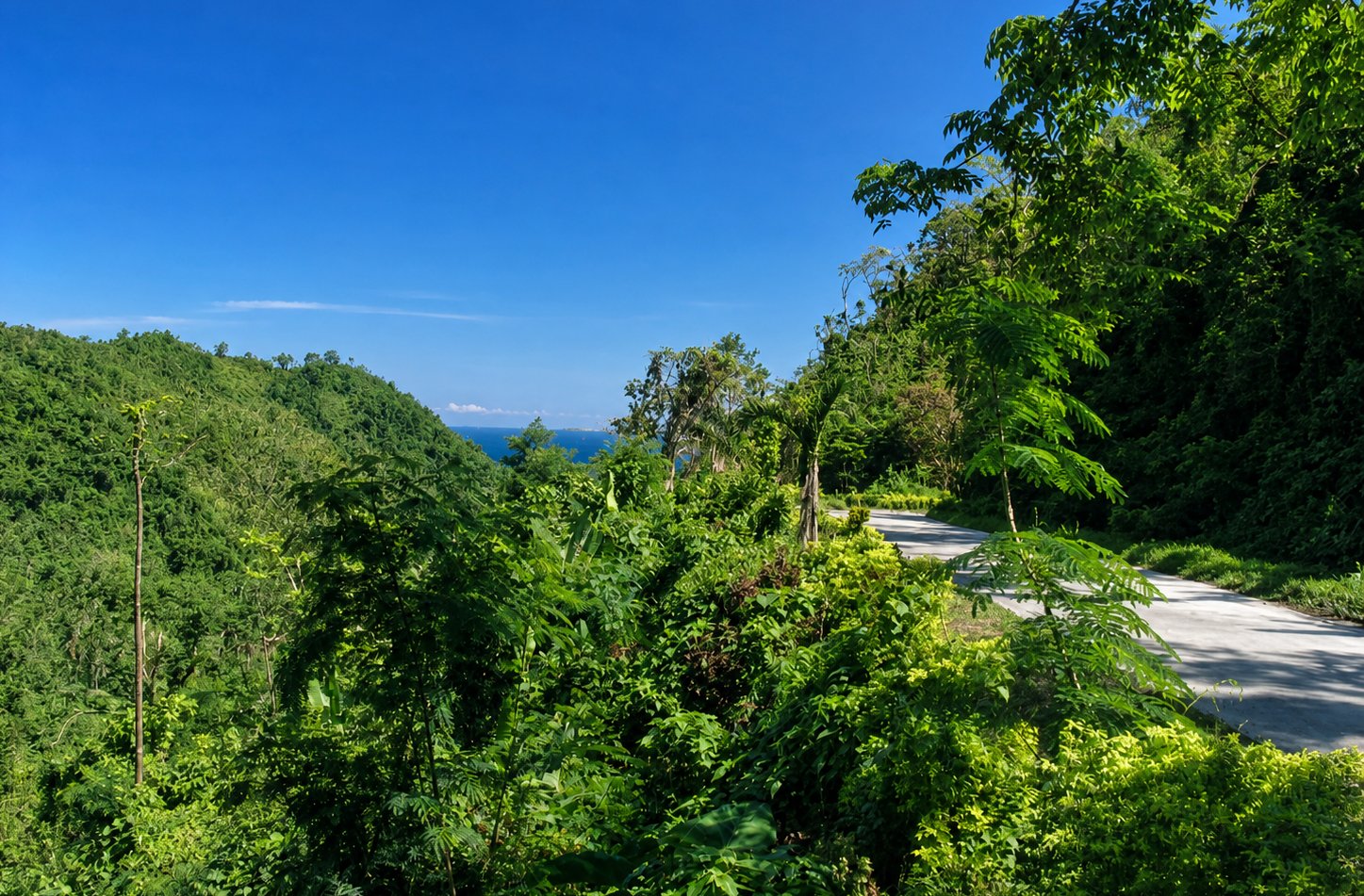
Because Corregidor is so often framed through history, many travelers do not realize how visually rewarding it can be. The island is not “pretty” in the conventional tropical sense, but it is deeply atmospheric. The visual appeal comes from contrast: the open roads against the old defensive structures, the memorial architecture against the sea, the weathered ruins under the bright sky, and the quiet spaces that somehow still feel charged with memory.
That makes Corregidor especially appealing for travelers who care about mood and place. It is scenic, but not playful. It is photogenic, but not superficial. The island offers the kind of visual experience that feels stronger because it is rooted in story rather than decoration.
Travelers who are drawn to locations with both aesthetic value and narrative depth usually find Corregidor especially memorable. It is the kind of place that photographs well, but more importantly, it feels like somewhere.
Pairing Corregidor With Food and Street-Level City Experiences
A good travel itinerary is not only about grand historical destinations. It is also about contrast. One of the most effective ways to appreciate a place like Corregidor is to balance it with experiences that show a completely different side of the Philippines.
For travelers who want to move from solemn heritage to lively local flavor, street food culture is one of the best next steps. That is where a place like Ugbo Street in Tondo becomes such a strong addition to a wider itinerary. Ugbo gives travelers the opposite energy: busy, flavorful, social, crowded, and unmistakably local.
That contrast is actually one of the best ways to understand travel in the Philippines more fully. You can spend one day immersed in an island landscape shaped by wartime memory, and another eating your way through one of Manila’s most recognizable street food areas. Both are deeply rooted experiences. They are simply rooted in different things.
A traveler who understands both sides of that equation often leaves with a more complete impression of the country.
Corregidor in the Context of Philippine Travel
If someone is building a bigger bucket list, Corregidor also deserves to be seen as part of the wider map of places that define travel in the Philippines. The country is full of famous destinations, but not all of them offer the same kind of depth.
For readers who want a broader look at iconic and worthwhile destinations, this top tourist destinations in the Philippines guide is a useful starting point. It helps place Corregidor within the wider national travel conversation instead of isolating it as only a niche historical site.
That broader view matters because Philippine travel should never be reduced to beaches alone. Beaches are a major strength, of course, but some of the country’s most unforgettable places are the ones that carry memory, struggle, resilience, and identity. Corregidor belongs in that category. It is one of the destinations that adds emotional and cultural texture to any larger understanding of the Philippines.
Who Will Appreciate Corregidor Most
Corregidor is not for every traveler, and that honesty is part of what makes the destination easier to recommend properly.
It makes the most sense for:
- history lovers
- heritage travelers
- photographers
- students and educational groups
- couples or solo travelers who enjoy reflective day trips
- travelers who want something more substantial than a quick Manila attraction
It can still work for casual travelers, but expectations need to be clear. This is not a destination built around comfort-first tourism. It is built around significance. That is why the right audience tends to appreciate it so much. The island rewards travelers who are willing to slow down, pay attention, and let the place speak for itself.
Why Good Travel Writing Matters for a Place Like This
Destinations like Corregidor need practical, grounded travel writing. They do not benefit from empty hype, and they definitely do not benefit from vague descriptions. Readers need direct answers. They want to know how the trip works, whether it is worth the effort, what kind of mood to expect, and how to decide whether it fits their style.
That is exactly why Lakbay Pinas is such a useful resource for destinations like this. The site focuses on practical Philippine travel guides built around real planning needs instead of generic summaries. If you want to explore more destination content beyond Corregidor, you can browse the homepage here: Lakbay Pinas.
That kind of practical writing matters even more now because travelers are not only searching for inspiration. They are searching for clarity. They want to know whether a place is still worth visiting, how it compares with other options, and what kind of real-world experience they should expect.
Corregidor is the kind of destination where that clarity genuinely improves the trip.
Final Thoughts
Corregidor Island deserves a place in a deeper Manila and Philippine travel itinerary not because it is easy, trendy, or conventionally relaxing, but because it offers something many other destinations do not. It gives travelers a real sense of place. It connects history to landscape. It makes the journey part of the experience. And it reminds people that travel is not only about entertainment. Sometimes it is also about memory, meaning, and perspective.
For travelers who want more than a routine side trip, Corregidor stands out. It is one of the strongest heritage day trips near Manila, and one of the most emotionally grounded island experiences in the country.




Nice Island