
Wildlife trips are rarely just about ticking animals off a list. The surroundings also become part of the memory. A day spent tracking pumas in Patagonia might involve hours watching the wind move across empty grasslands before anything appears. In Alaska, bear viewing usually means standing near fast-moving rivers while bald eagles circle overhead. Tanzania’s wildlife unfolds across vast open plains, while the Galapagos and Borneo place visitors in environments that feel entirely different from one another. Whether it’s a rainforest river, a volcanic island, or a remote mountain landscape, these destinations make the setting as important as the wildlife itself.
Puma Tracking and Wilderness Safaris in Patagonia
Southern Patagonia has developed a reputation as one of the best places to see wild pumas, and much of that activity occurs around Torres del Paine National Park. The areas near Laguna Amarga and Lago Sarmiento are particularly productive. Before sunrise, vehicles often head out across gravel tracks while guanacos move through the steppe and condors drift above the cliffs, catching the morning thermals.
The appeal of world-class luxury tailor-made Patagonia tours often comes down to access and local expertise. Around Torres del Paine, specialist guides work closely with trackers who know where individual pumas have recently been seen and how they move through the landscape. A typical day may involve long periods behind a spotting scope, watching distant slopes and following fresh signs left across the steppe. Private conservation lands bordering the park can also provide quieter wildlife-viewing conditions and excellent photography opportunities.
Most journeys begin or end in Puerto Natales. The waterfront promenade along Costanera Pedro Montt is a good place for an evening walk, especially when fishing boats are returning to the harbour. Weather remains one of Patagonia’s few certainties. A calm morning can turn windy within minutes, so extra layers rarely stay packed away for long.
Grizzly Bear Wildlife Watching in Alaska
Few wildlife encounters match the excitement of seeing a large grizzly standing in a river waiting for salmon. In Alaska, that scene plays out every summer as fish push upstream toward their spawning grounds. Katmai National Park attracts people from around the world for exactly that reason, particularly around Brooks Falls, where bears gather in surprising numbers during peak salmon runs.
Getting there is part of the experience. Many travellers fly in from King Salmon on small floatplanes that pass over lakes, marshes, and stretches of wilderness with few visible signs of human activity. Around Brooks Camp, raised boardwalks connect viewing areas and help maintain safe distances. Even so, bears regularly wander through the area, occasionally causing temporary trail closures.
Further south, places such as Seward and Homer provide a different side of Alaska’s wildlife. Sea otters often drift between boats in Seward Harbour, especially around the docks near Railway Avenue. Boat trips into Kenai Fjords National Park frequently encounter humpback whales, puffins nesting on rocky ledges, and harbour seals hauled out on floating ice.
The Great Migration and Big Game Safaris in Tanzania
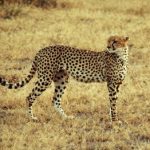
Tanzania’s wildlife viewing is remarkable not because of a single species but because of the sheer scale of life across the landscape. The Serengeti stretches for miles in every direction, and depending on the season, enormous herds of wildebeest and zebras move across it searching for fresh grazing.
One reason extraordinary luxury Tanzania safari holidays stand out is their flexibility throughout the migration cycle. Camps and lodges are often selected according to seasonal wildlife movements, allowing more time in areas where activity is at its peak. Depending on the month, that could mean watching thousands of wildebeest spread across the southern plains or waiting beside a river crossing where crocodiles patrol the banks. Guides spend much of the day reading tracks, interpreting behaviour, and adjusting plans as conditions change.
The Ngorongoro Crater adds another dimension to a Tanzanian safari. Descending the steep access road before sunrise feels very different from driving across the Serengeti plains. Wildlife concentrations can be surprisingly high, and sightings often come quickly. Before heading into the parks, many travellers spend a night in Arusha, where Central Market and the streets around Clock Tower offer a glimpse of everyday life beyond the safari circuit.
Endemic Species and Marine Life in the Galapagos Islands
The Galapagos Islands have a way of changing expectations about wildlife. Animals often show little concern about the presence of humans, creating opportunities for close observation that would be unusual elsewhere. The islands sit roughly 600 miles west of mainland Ecuador and support species that evolved in relative isolation for millions of years.
Santa Cruz Island is where many itineraries begin. In Puerto Ayora, sea lions regularly claim sections of the waterfront and sometimes stretch out on benches near Avenida Charles Darwin. Fish markets attract both pelicans and the occasional sea lion hoping for scraps, while the Charles Darwin Research Station provides useful context for ongoing conservation work and giant tortoise breeding programs.
Wildlife continues beneath the surface. Around Kicker Rock, Española, and Floreana, snorkeling excursions can reveal sea turtles, rays, reef sharks, and large schools of fish moving through clear water. Conditions vary considerably from island to island. One morning may involve walking across black volcanic rock surrounded by marine iguanas, while the next is spent watching blue-footed boobies dive offshore.
Orangutan Encounters and Rainforest Treks in Borneo
Borneo’s rainforests feel very different from the open landscapes of Africa or Patagonia. The vegetation is dense, humidity stays high, and wildlife often appears suddenly before disappearing back into the forest. Sabah, in Malaysian Borneo, remains one of the most accessible regions for people hoping to see orangutans.
Many travellers begin in Sepilok. The Sepilok Orangutan Rehabilitation Centre provides insight into the challenges facing rescued and orphaned orangutans, while nearby forest trails sometimes reveal macaques, hornbills, and monitor lizards moving through the trees. Just a short distance away, the Bornean Sun Bear Conservation Centre focuses on another species many visitors know little about before arriving.
For wildlife in a more natural setting, the Kinabatangan River is hard to beat. Early morning boat safaris often start in near silence as mist hangs over the water. Proboscis monkeys gather in riverside trees, crocodiles rest along muddy banks, and pygmy elephants occasionally emerge from the forest edge. Wild orangutans are never guaranteed, but sightings do happen. In nearby Sandakan, many travelers spend time around Jalan Pryer’s waterfront before continuing inland, often stocking up on supplies before heading deeper into Sabah.
Which wildlife adventure will you choose?
Wildlife experiences become memorable when the landscape feels inseparable from the animals living there. A puma sighting means more when it happens against the backdrop of Patagonia’s open steppe. Alaska’s grizzlies are part of a seasonal cycle tied to salmon-filled rivers. In Tanzania, the migration reshapes entire ecosystems as it moves across the plains. The Galapagos are home to species found nowhere else, while Borneo’s rainforests remain one of the last strongholds for wild orangutans. Each destination requires different expectations, different terrain, and a different pace of travel. That’s part of what makes them worth the journey.



Leave a Reply