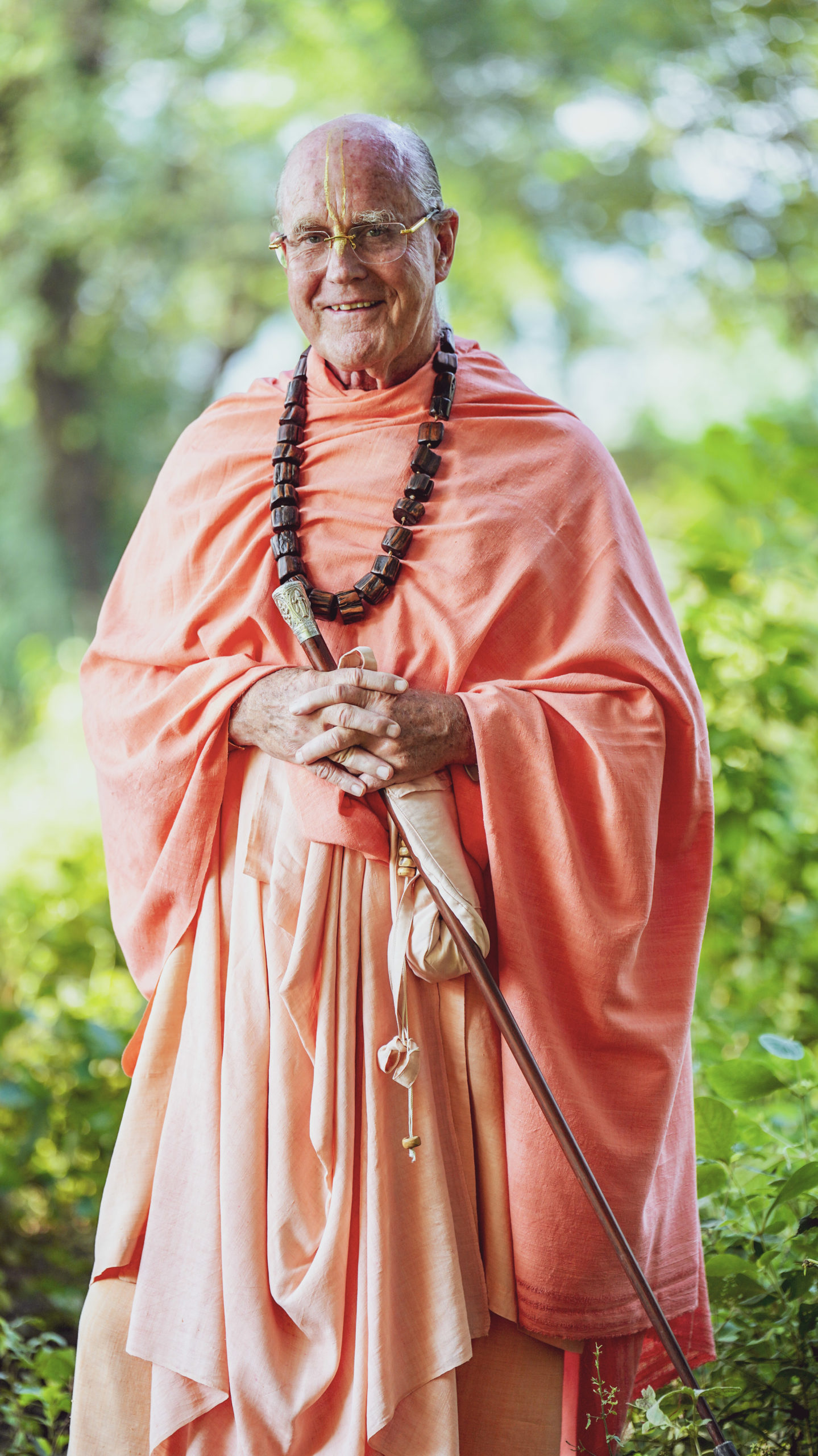
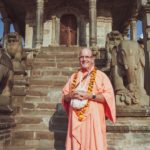
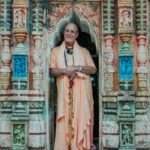
 Indradyumna Swami is a senior Hare Krishna monk, famously known as the “Traveling Monk.” Since the early 70s, he has traveled to more than 30 countries, leading festivals, writing his Diary of a Traveling Monk, and inspiring people through music, culture and spiritual teachings.
Q. You first dedicated your life to Krishna consciousness in the early 70s. What was that era like for you, and can you tell us the moment that inspired you to take this path?
The late 1960s and early 1970s were years of great social change in the USA. Many young people were questioning material values and searching for something deeper. I was one of them.
I had grown up in California, but by my late teens I felt that there had to be more to life than simply earning money, pursuing pleasure, and eventually growing old. I was searching for meaning, although I didn’t know exactly where to find it.
Everything changed when I met the devotees of Krishna in Detroit, Michigan. They were joyful, peaceful, and genuinely happy in a way I had never seen before. Soon afterward I met His Divine Grace A.C. Bhaktivedanta Swami Prabhupada, the founder of the Hare Krishna movement.
The decisive moment came when I heard him speak based on the authority and timeless wisdom of the Bhagavad-gita. He explained that we are not these temporary bodies but eternal souls, and that our real happiness lies in reviving our forgotten relationship with Krishna. His words entered my heart. I felt that I had finally come home.
Within a short time I dedicated my life to Krishna consciousness, and more than fifty years later I remain grateful every day for that decision.
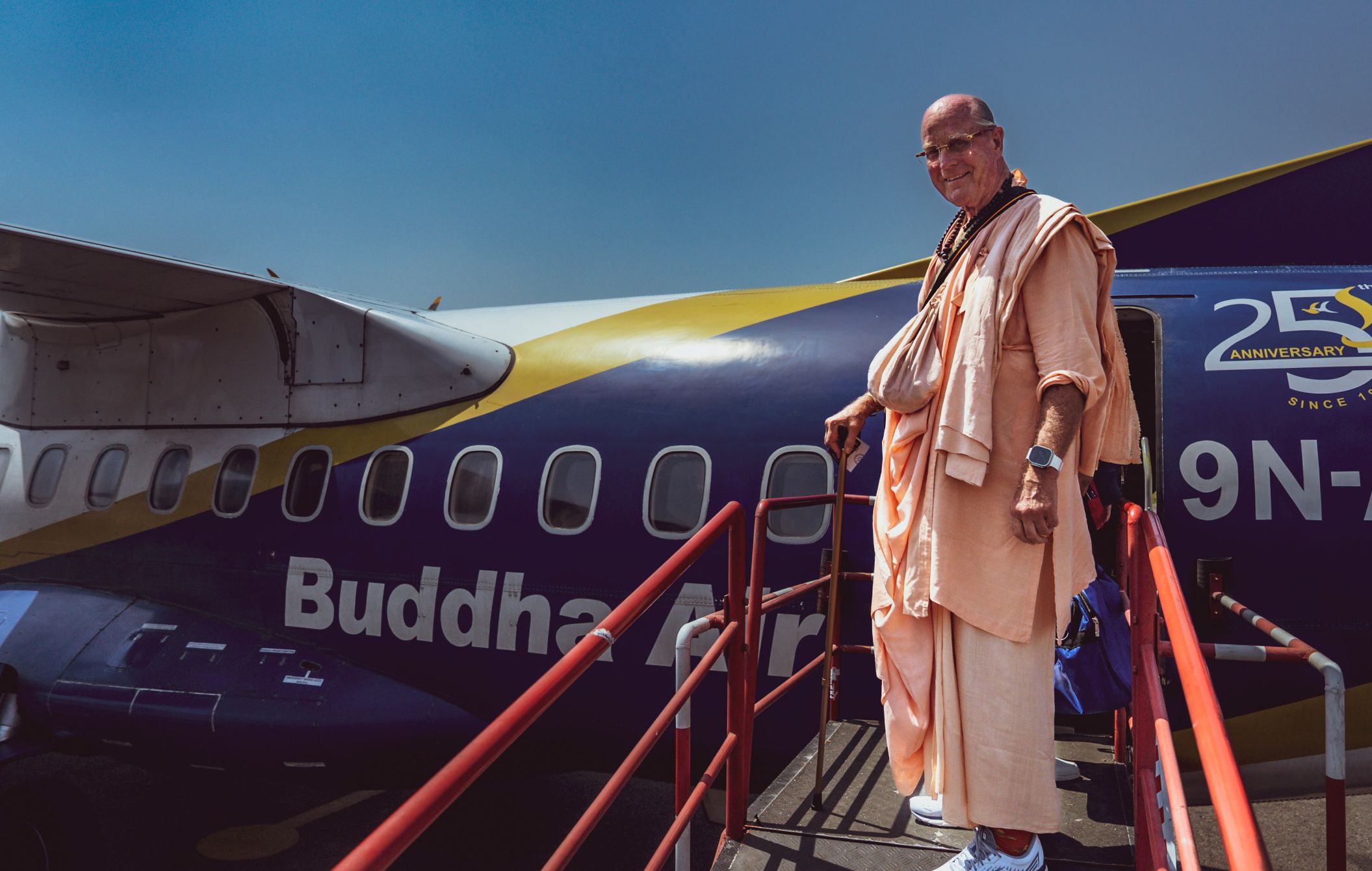
Q. How does being on the move all the time change the way you experience Krishna consciousness compared to settling down in one place?
Let me quote Mark Twain in this regard:
“Travel is fatal to prejudice, bigotry, and narrow-mindedness, and many of our people need it sorely on these accounts. Broad, wholesome, charitable views of men and things cannot be acquired by vegetating in one little corner of the Earth all one’s lifetime.”
This quote appears in his 1869 travel book, The Innocents Abroad.
When you live in one place, spiritual life can sometimes become comfortable and predictable. But when you are constantly traveling—from India to Europe, from Russia to South America, from large cities to remote villages—you begin to see the essential equality of all living beings. Despite differences in culture, language, or nationality, everyone is searching for happiness, love, and purpose. Realizing this common bond is, in itself, a formula for peace in the world.
Travel also helps one gradually become detached from this temporary world, an important quality for any spiritual aspirant. By witnessing firsthand the realities of birth, disease, old age, and death in every corner of the world, one naturally begins to question the nature of material existence. Such experiences can become a powerful catalyst for seeking a higher alternative, one that ultimately leads us to the spiritual path and the quest to transcend this world altogether.
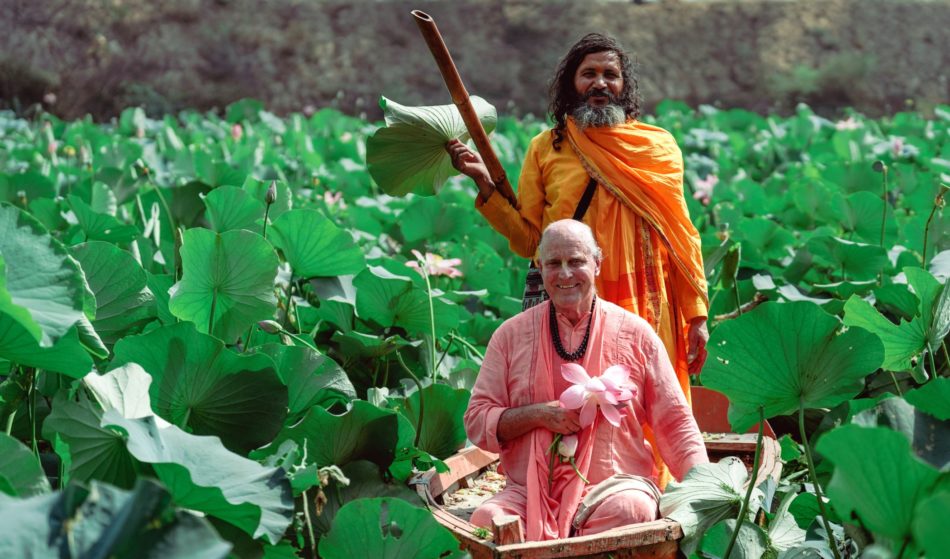
Q. Your Diary of a Traveling Monk has inspired so many people through the way it connects cultures and leads to personal transformation. Is there one particular story that especially stands out to you?
There are many stories, but one that always remains with me happened during one of our festivals in Poland.
Thousands of young people were attending a rock festival in which we had our own open stage. On the surface it appeared people had little interest in spirituality. Yet when they began chanting the powerful Hare Krishna mantra, many of them started chanting and dancing with us with great enthusiasm. Some wept openly.
Years later, people would approach me and say, “That was the moment my life changed.”
Experiences like that have taught me that the soul is naturally attracted to spiritual truth. Beneath all external differences; nationality, religion, language, or culture, every person is searching for love, meaning, and connection with God.
The diaries simply document those encounters. It shows that Krishna is working in people’s hearts everywhere.
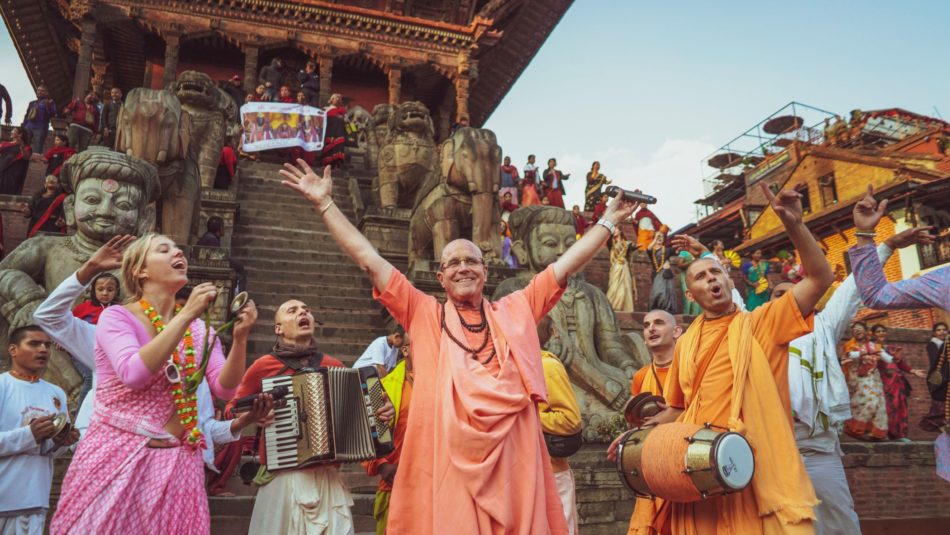
Q. In your travels, have you ever met someone who ended up teaching you an important lesson?
Many times.
I once met a poor villager in India who possessed almost nothing materially, yet he spent much of his day chanting God’s names with complete contentment. His peace and faith deeply impressed me.
On another occasion, I met a devotee suffering from a serious illness who thanked Krishna every day for the opportunity to remember Him more intensely.
Such people teach us that spiritual advancement does not depend on wealth, education, status, or comfort. It depends on sincerity.
Some of my greatest teachers have been people of other faiths who remain strong despite difficult circumstances.
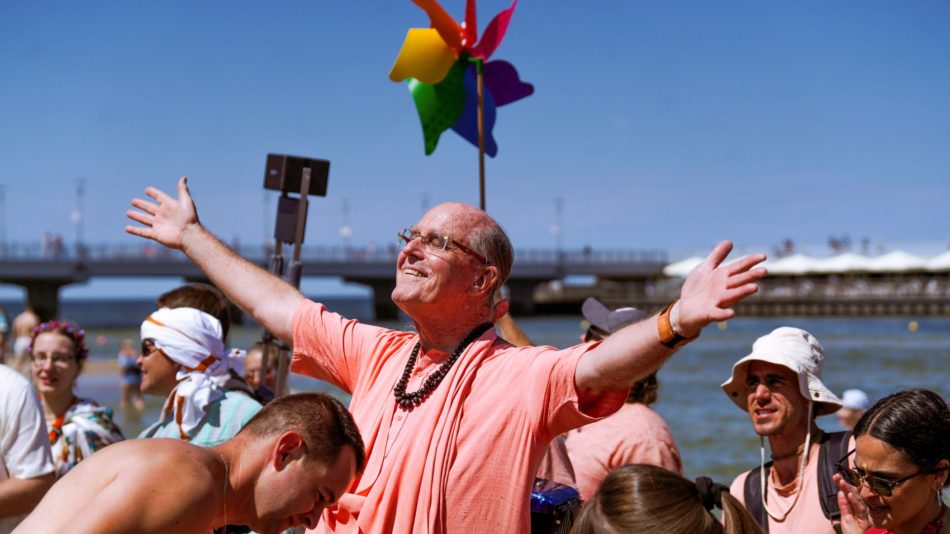
Q. You have encountered difficult situations in your travels, including very some challenging experiences. How have those experiences affected your faith and outlook on life?
Difficult experiences have strengthened my faith.
When things go well, it is easy to say that we trust God. But when circumstances become uncertain, we discover the depth of our faith.
Over the years I have experienced illnesses, travel difficulties, misunderstandings, and even situations involving personal danger. During such moments I have often remembered my spiritual master’s instruction that a devotee should see every circumstance as an opportunity to depend more fully upon Krishna.
These experiences have taught me that life is temporary and often unpredictable. Therefore, what matters most is our relationship with God, our service to others, and our efforts to develop genuine compassion.
Faith becomes stronger when it is tested. There is a saying, “The hardest lessons are the one’s best learned.”
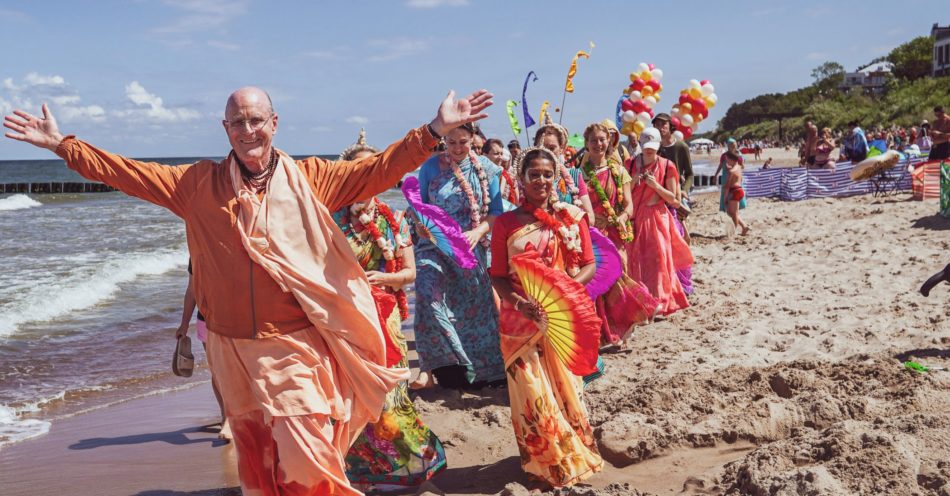
Q. Tell us about the Festival of India you have been organizing. For someone visiting for the first time, what would they see and feel?
The Festival of India is an attempt to bring spiritual culture into public spaces.
A visitor will experience joyful kirtan, sacred dance, vegetarian food, deep philosophy, yoga, cultural presentations, and an atmosphere of genuine happiness and community.
But beyond the activities themselves, people often speak about the feeling they experience at our festivals. Many tell us that they feel peace, joy, and a sense of belonging.
For some visitors it is their first encounter with spirituality. For others it is a reminder of something they have long been searching for.
If people leave the festival with a greater appreciation for the spiritual dimension of life, a deeper respect for others, and perhaps a desire to chant God’s names, then we feel the festival has been successful.
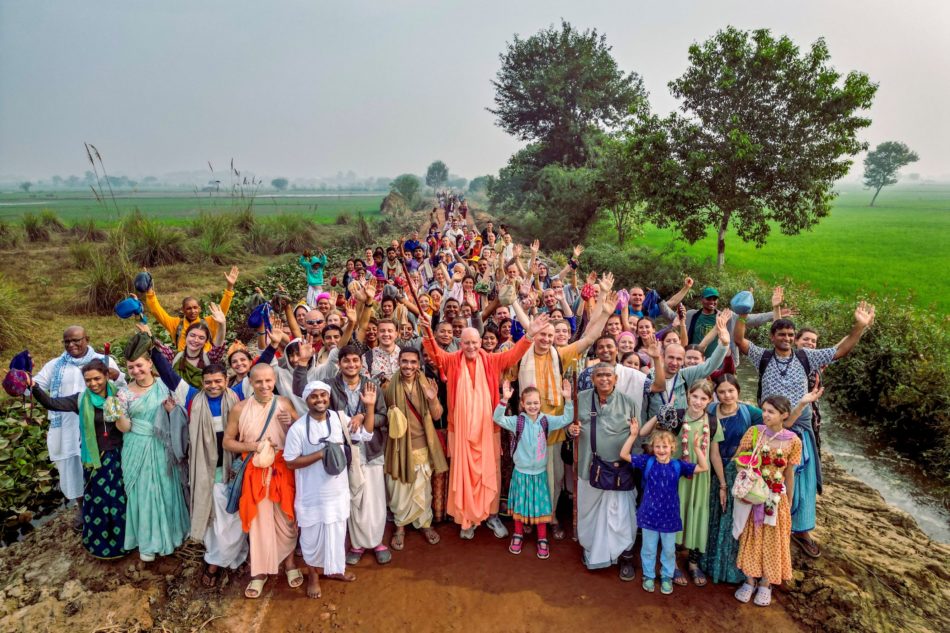
Q. Is there something people don’t usually ask you about, but that you would really like to share?
People often ask about my travels, the festivals, or unusual experiences, but they rarely ask about the importance of daily spiritual practice.
The real secret behind a life of service is not found in extraordinary events. It is found in the quiet moment; rising early, chanting the holy names, studying sacred texts, praying, and trying to serve others.
Those daily practices sustain everything else.
Whatever I have been able to accomplish has not been due to personal ability. It has come from the mercy of my spiritual master, Srila Prabhupada, and from the practice of returning to Krishna each day through prayer and chanting.
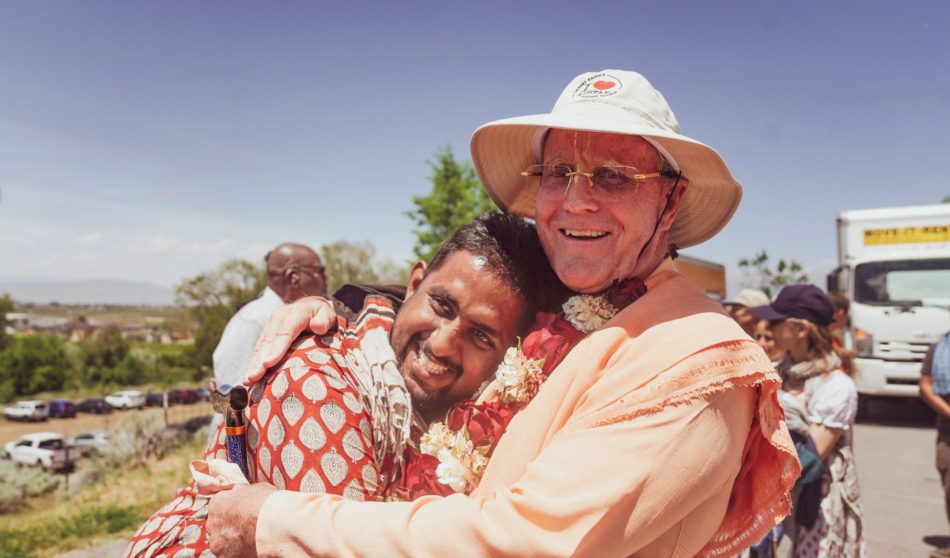
Q. Are there any words of wisdom you would like to share with our traveling community, something they can carry with them on the road and in life?
Travel can teach us something very profound: we are all travelers.
We travel from country to country, city to city, and eventually from one stage of life to another. According to the Vedic wisdom, the soul itself is traveling through this world in search of its eternal home.
So wherever you go, travel with gratitude. Be kind to people. Remain open to learning. Take time for silence and reflection.
And perhaps most importantly, do not only explore the world outside you. Also explore the world within.
The greatest journey is not across continents. It is the journey of the heart toward God.
Let me finish with another quote from Mark Twain:
“The two most important days in your life are the day you are born and the day you find out why.”
All photographs credit: Indradyumna Swami





Leave a Reply