X

Get FREE Email Updates

Sign Up

Dave's Travel Corner

Seeing the World One Step at a Time

  • Home
  • Blog
  • Guides
  • Journals
  • Photos
  • Videos
  • Links
  • Interviews
  • About

interviews

Our interviews focus on the travel, entertainment and lifestyle industry,
with people who are making valuable contributions in their particular fields.


Erik Wolf, Founder and Executive Director of the World Food Travel Association

September 22, 2026 by Teh Chin LiangLeave a Comment

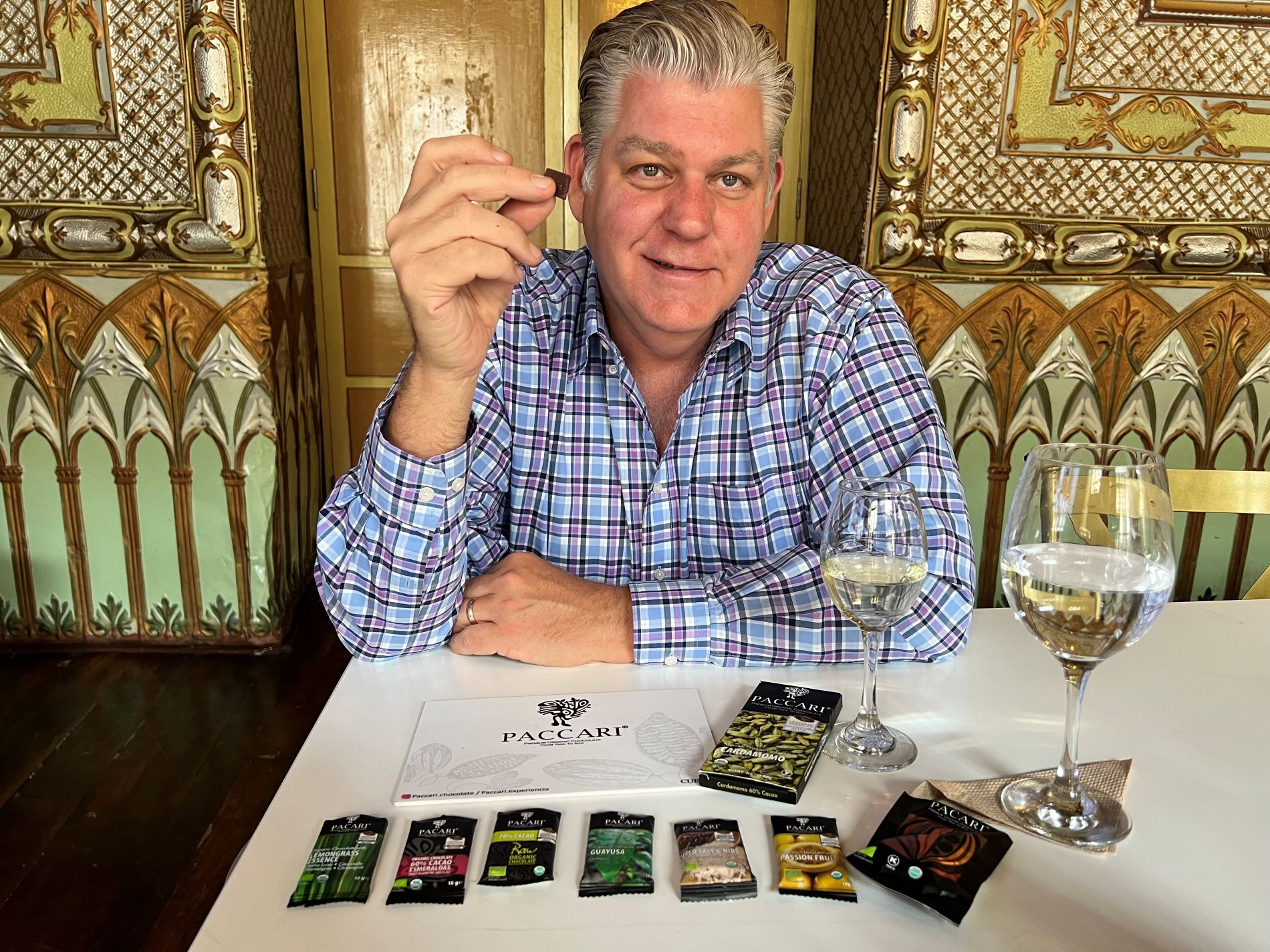
Private Chocolate Tasting in Cuenca Ecuador

Erik Wolf is the founder and Executive Director of the World Food Travel Association. He is a speaker and consultant who has worked with global names like Disney, Marriott, American Express and Royal Caribbean, as well as UNESCO and the UN World Tourism Organization. His book Have Fork, Will Travel pulls together voices from experts around the world and shows how food and drink shape the way we travel, the places we visit and the cultures we connect with.

Q. What inspired you to start the World Food Travel Association back in 2001?
When I started the World Food Travel Association, I saw an opportunity that very few people were talking about at the time. We were already traveling to experience food, but nobody had really defined this as a tourism sector in its own right.
I was interested in the connection between food, place and travel. Almost every destination has some kind of culinary identity, whether it recognizes it or not. I understood that food could be a much more powerful reason to visit a destination than the tourism industry was giving it credit for.
So I wrote a white paper on the subject and began building what eventually became the World Food Travel Association. At the time, I could not have predicted how large the field would become. What we now call food tourism, culinary tourism or gastronomy tourism, depending where in the world we are, has grown into a significant part of the global tourism industry.

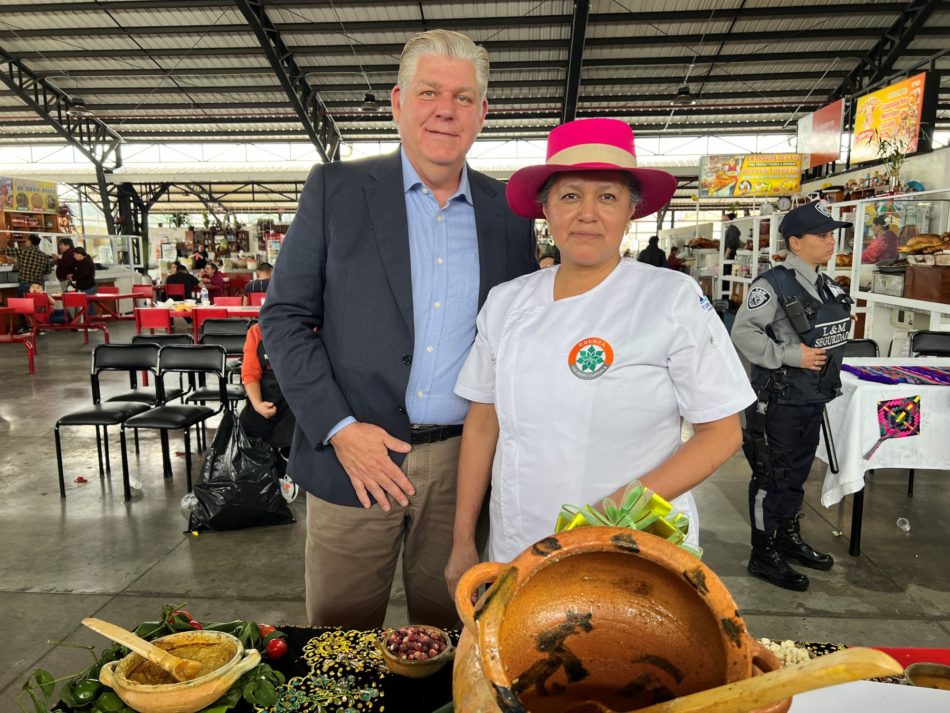
Judging Food at Market Event in Cuenca Ecuador
Q. Most people think food tourism is all about great food. How do you define it yourself and would you say your definition goes deeper than just eating?
Absolutely. Our definition has evolved over time as our understanding of the field has evolved. In the early days, we focused more on the idea of seeking out unique and memorable food and drink experiences. But as the field developed, our thinking became broader. In 2016, we introduced a new definition that we felt captured where our thinking had arrived:
“Food tourism is the act of traveling for a taste of place in order to gain a deeper sense of place.”
For us, that distinction is important. Food tourism is not simply about traveling to eat good food. It is about using food and drink as a lens through which to understand a destination – its people, history, culture, landscape, traditions and identity.
A taste of place gives you the sensory experience, but the ultimate goal is a sense of place. That is what makes food tourism so much more meaningful than simply adding restaurants to an itinerary.
Food tourism is really a way of experiencing a destination through its food and drink. It can mean eating in a restaurant, but it can also mean visiting a market, meeting a cheesemaker, learning how a traditional dish is made, visiting a vineyard, attending a food festival, discovering an agricultural landscape or simply sitting down with local people and sharing a meal.
Food tells you an enormous amount about a place. It reveals its history, geography, climate, migration history, traditions and even values. In that sense, food tourism is not really about eating. It is about understanding a place through what its people eat, drink and produce.

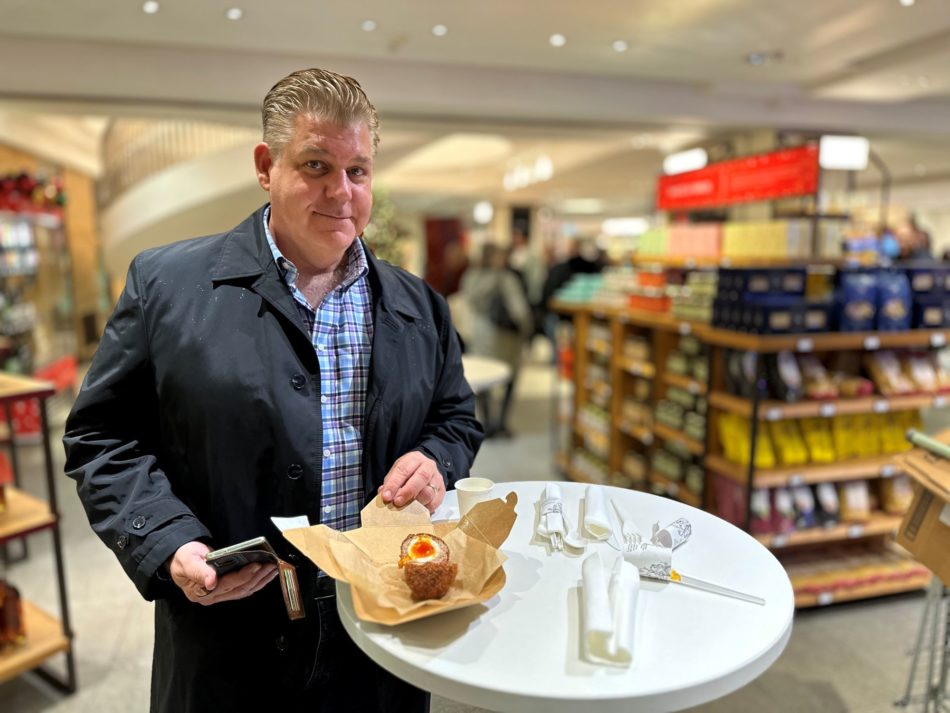
Erik’s First Scotch Egg

Q. The difference between Michelin and WFTA is that Michelin gives stars to restaurants, while WFTA recognizes whole destinations for their food culture and tourism appeal. How do you see the role of WFTA compared to Michelin when it comes to influencing where people choose to travel?
I see us as addressing two very different parts of the culinary travel experience.
Michelin has done an extraordinary job of helping aspirational travelers to identify individual restaurants they might like to visit and has helped to make gastronomy an important part of the travel decision. WFTA looks at the much bigger picture: what makes an entire destination worth visiting because of its food and drink culture?
That includes restaurants, but it also includes farmers, fishermen, producers, markets, artisans, traditions, landscapes, festivals, foodways and the stories and people behind them. A destination can have an extraordinary culinary identity without having a single Michelin-starred restaurant.
Our Capitals of Culinary Culture work is based on that idea. We look at the broader culinary ecosystem of a destination and its ability to create meaningful food and drink experiences for visitors while also respecting and sustaining its culinary culture.
So I would not describe WFTA and Michelin as competitors. We each look at different views of the same phenomenon. Michelin can help someone decide what restaurant to eat in. We are interested in helping people understand why a destination itself is worth traveling to because of its food culture.

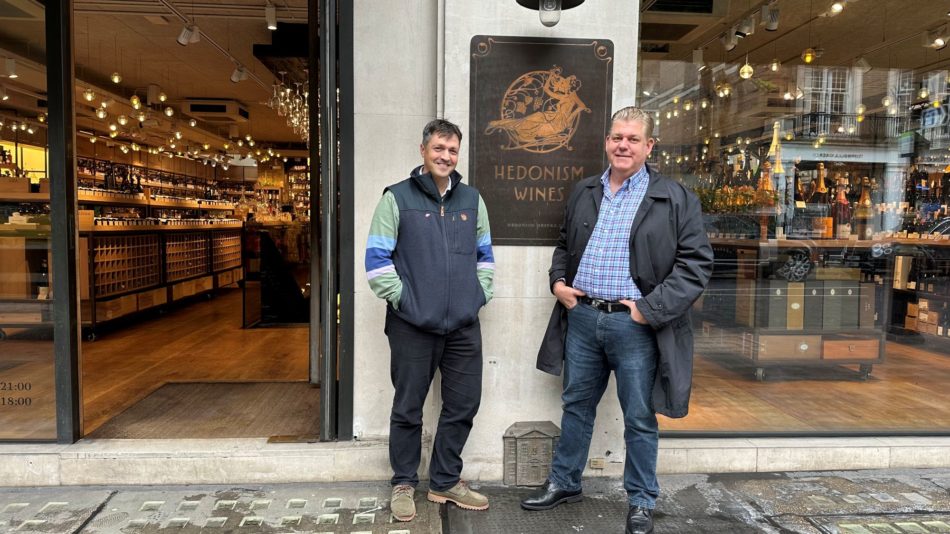
Outside Hedonism Wines London UK

Q4. You have lived in different countries. How has that influenced the way you look at food culture?
I’ve always said that travel is the best education. And living in different countries has been an Inimitable informal education in food culture. I have lived in Australia, Denmark, New Zealand, Singapore, South Africa, Spain and the United Kingdom, and each place has its own relationship with food.
When you move between cultures, you begin to realize that there is no single definition of what constitutes a good meal, a “proper” breakfast, hospitality, celebration or even what is considered a “normal” meal. Things that seem completely ordinary in one culture can be fascinating or surprising in another.
It has also taught me to look beyond the dish itself. I like to find out answers to questions like, “Why do people eat this? Where did it come from? Who makes it? When do people eat it? What traditions surround it? And what does it tell us about the place?”
That is one reason I believe culinary heritage is such a powerful way to understand a destination. Food is a universal language, but every culture speaks it with its own accent.

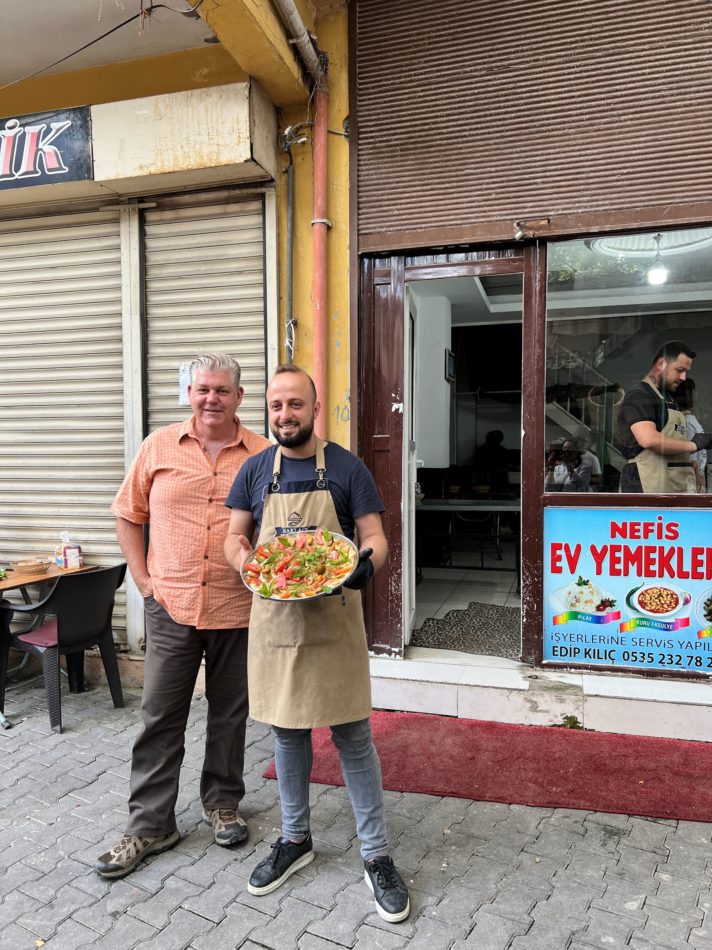
Local Food in Antioch Turkey

Q. In your book Have Fork Will Travel, you lay out ideas about food tourism. If someone picks up the book today, what is the one message you would want them to walk away with?
I would want them to understand that food tourism is much, much bigger than just dining out.
When I created Have Fork, Will Travel, I wanted to help establish food and drink tourism as a legitimate tourism discipline and give professionals practical ways to understand and develop it. The book brought together the thinking of 70 people from 24 countries because food tourism is inherently international and multidisciplinary.
But the message that still matters most to me is that every destination has a culinary story to tell. And that’s what we address in our newest book, Crafting Your Taste of Place, which was published in 2025.
A destination does not have to be famous for haute cuisine. It does not need Michelin stars or a Michelin guidebook. You need something that is genuinely yours – the foods, drinks, traditions, producers, people and stories that distinguish your destination from somewhere else.
The opportunity is to recognize those assets, protect them and turn them into meaningful experiences for visitors.

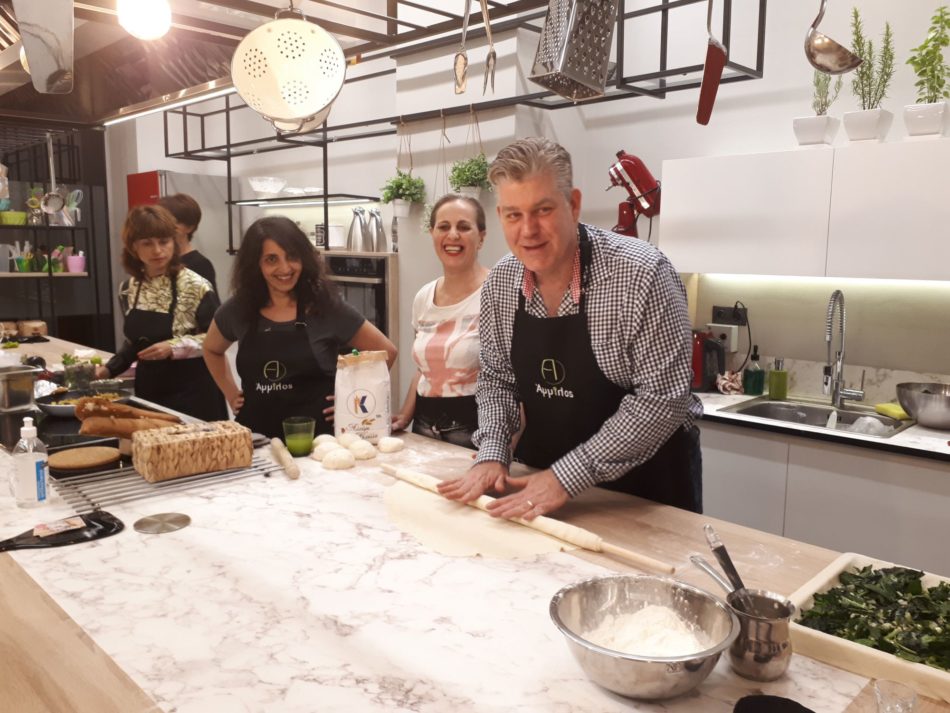
Erik cooking school Greece

Q. Is there one trip that completely changed the way you think about food and culture?
I remember being invited to speak in South Korea many years ago. On my first evening, my hosts took me to a seafood restaurant, where I experienced seared tuna with sesame oil for the first time. It was so delicious that I simply could not stop eating it. Accompanied by the local plum wine, I was in heaven.
But what stayed with me was not just the food. I did not speak a word of Korean, and my hosts spoke only a few words of English. Yet it did not matter. They could see how much I was enjoying their food, and that was enough. Smiles, hand gestures and endless platters of seared tuna allowed us to communicate everything we needed to.
That experience reinforced something I have believed ever since: you do not need to speak the language of a place to connect with its people. Food is an international language. It is a way of showing hospitality, welcoming someone into your culture and sharing something that is meaningful to you. And when you genuinely enjoy that food, your enjoyment becomes a way of saying thank you.
Q. Is there a cultural lesson you learned through food that you still carry with you today?
One lesson I have learned repeatedly is that food is one of the best ways to cross cultural boundaries. People may not speak the same language, have the same religion, share the same politics or have the same background, but sitting down together over food creates an immediate point of connection.
I have also learned that we need to be careful about treating traditional foods as simply tourism products. Behind a dish there are often generations of knowledge, local ingredients, agricultural practices, family traditions and cultural identity.
That is why I believe food tourism has a responsibility as well as an opportunity. We should not simply extract the most photogenic or marketable elements of a food culture. We should help travelers understand, appreciate and respect the people and traditions behind what they are experiencing.
Q. Your message to our readers?
My message would be simple. When you travel, do not just see the destination – taste it. Really taste it. Slow down, take time to savor the flavors and really experience it.
Go beyond the famous restaurants. Visit a market. Talk to a producer or an artisanal product. Try the local specialty. Ask where it came from and who makes it. Take the time to understand why people in that place eat what they eat.
And remember that some of the most meaningful food experiences are not necessarily the most expensive or sophisticated ones. They are often the ones that connect you with local people and give you a better understanding of the place you are visiting.
Food gives us a different lens through which to see the world. Use it.

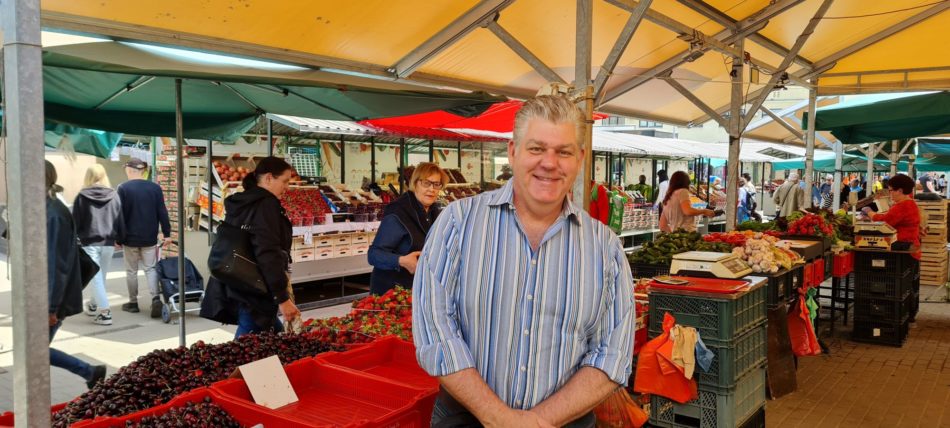
Farmers Market in Riga Latvia

All photographs credit: Erik Wolf

Related posts:

Reviewing International Travel Statistics of 2022 Bahamas Junkanoo Carnival: A Celebration of Life and Culture Virginia Chan, Founder of Humid with a Chance of Fishballs A Foodie Getaway to Conejo Valley Teri Johnson Travelista TVTeri Johnson: Co-host of Travelista TV

Filed Under: Interviews · Tagged: Africa, Australia, Britain, Caribbean, Chocolate, Culinary travel, Culture, Denmark, Drinking, Ecuador, England, Festival, Food and Wine, Greece, History, Korea, London, Markets, New Zealand, Restaurants

Leave a Reply

Your email address will not be published. Required fields are marked *

Want an avatar to show with your comments? Get a free Gravatar

This site uses Akismet to reduce spam. Learn how your comment data is processed.

Dave's Wines Logo

The Official Wine Club of
the Napa Wine Project!

Your personal membership to the
finest Napa Valley artisan wineries.
Learn More
Follow @DaveDTC

Get FREE Email Updates ▶

Categories

Latest Interviews

  • Erik Wolf, Founder and Executive Director of the W…
  • Steve Mortimore, Film Location Manager
  • Tony Giles, Blind World Traveler and Author
  • His Holiness Indradyumna Swami, The Traveling Monk
  • Tobias Sweijen and Katarina Bagherian, Founders of…

Latest Posts

  • Erik Wolf, Founder and Executive Director of the W…
  • Cebu Island Escapes: A Slow and Simple Way to Enjo…
  • The Company We Keep
  • Oklahoma Route 66 Centennial Celebration
  • How Much Luggage You Can Check on Business Class F…

Explore

  • Above the Clouds
  • Guides
  • Highlight of the Month
  • Interviews
  • Journals
  • Press Releases
  • Videos

Prepare

  • Book Reviews
  • Pack List
  • Quiz: Geography
  • Quiz: Travel
  • Tour Booking
  • Travel Insurance
  • Travel Products

Share

  • Contribute
  • Forums
  • Links
  • Photos

About

  • About Us
  • Advertise
  • Contact Us
  • Contributors
  • Email Dave
  • Media Coverage
  • Media Kit
Hi I'm Dave. After a life changing trip in 1996, I began this site as a creative outlet to educate, inspire and share travel experiences. Read more...
  • Facebook
  • Instagram
  • LinkedIn
  • Pinterest
  • RSS
  • Twitter
  • Vimeo
  • YouTube

Return to top of page
Copyright © 1996–2026 Dave's Travel Corner · All Rights Reserved · Log in

7ads6x98y