Some places are simply easier to experience by ship. Roads don’t reach them, flights are limited, or the journey itself becomes part of the attraction. In northern Norway, a vessel might spend the morning weaving between glacier-lined fjords before docking in a small fishing community that sees far fewer visitors than the country’s larger cities. Elsewhere, a ship can drop anchor beside an island where the nearest airport is hours away.
The moments people remember are often the unexpected ones. A polar bear spotted from the deck, a family-run seafood stall beside the harbour, or a quiet walk through streets that have welcomed sailors and traders for generations.
From Arctic coastlines to sun-soaked Mediterranean ports, these destinations reveal very different sides of the world once passengers step ashore.
Arctic Cruises in Svalbard
Svalbard sits well above mainland Norway, deep inside the Arctic Ocean. Most cruises begin in Longyearbyen, a small settlement where colourful wooden buildings sit beneath steep mountains. Before departure, many travellers spend time walking along the main street, visiting the Svalbard Museum, or stopping by the old mining structures scattered around town.
Wildlife is one of the main reasons people come here. Expedition ships navigate through fjords lined with glaciers while passengers scan the shoreline for Arctic foxes, walruses, reindeer, and polar bears. Places such as Hornsund and the massive Monaco Glacier often appear on itineraries. Zodiac landings allow close access to remote beaches and ice-filled bays.
When looking at the best cruises to Svalbard in Norway, choose smaller expedition vessels built for wildlife viewing and Zodiac shore landings in remote parts of the archipelago. Conditions in the Arctic can shift quickly, so no two voyages follow the same pattern. A day spent navigating through drifting sea ice may be followed by an afternoon watching whales surface near the ship, while other departures bring opportunities to spot walruses along the shoreline or, with some luck, a polar bear in the distance.
Wilderness Voyages in Alaska
Alaska remains one of the world’s most popular cruise destinations because so much of its coastline remains inaccessible by road. Ships move through landscapes where glaciers descend directly into the sea, and dense forests stretch across entire mountain ranges.
Juneau, Alaska’s capital, is often the first introduction for many visitors. The waterfront area near South Franklin Street stays busy during cruise season, while nearby attractions such as the Mount Roberts Tramway and Mendenhall Glacier draw visitors throughout the day. In Sitka, traces of Russian history remain visible around St Michael’s Cathedral and along Lincoln Street.
Further north, Glacier Bay National Park is frequently the highlight. Ships spend hours slowly navigating through icy waters while park rangers provide commentary from onboard. Humpback whales regularly surface near the vessel, and mountain goats can often be spotted on distant cliffs. In Ketchikan, Creek Street offers a glimpse into the town’s past, with wooden boardwalks running alongside the water. Bald eagles are surprisingly common here, particularly around the harbour.
Coastal Journeys Around Japan
Japan’s coastline stretches for thousands of miles, and cruising allows visitors to experience both major cities and smaller ports that many international travellers rarely visit. The variety is what makes these voyages particularly interesting.
Cruise passengers arriving in Yokohama can easily walk from the terminal to Yamashita Park or spend a few hours around the old Red Brick Warehouse buildings, which now house shops, cafés, and event spaces. In Kobe, the waterfront stretches past Meriken Park, where memorials and museums reflect the city’s recovery after the 1995 earthquake. Nagasaki has a very different atmosphere. Centuries of foreign trade left their mark on the city, and its streets are shaped as much by international influences and historic churches as they are by the sites that tell the story of World War II.
The top small ship cruises in Japan include a mix of major ports and places that rarely appear on standard cruise itineraries. A voyage might stop in Takamatsu, where Ritsurin Garden spreads across landscaped ponds and walking paths, or Kanazawa, where stalls at Omicho Market are busy from early morning, and the old teahouse buildings of Higashi Chaya still line narrow streets. Spring departures often coincide with cherry blossom season, with blooms lingering around castle grounds, riversides, and public parks.
Island Hopping in the South Pacific
The South Pacific covers an enormous area, and cruising remains one of the most practical ways to experience multiple island groups during a single trip. Distances between destinations can be significant, yet the journey itself becomes part of the appeal.
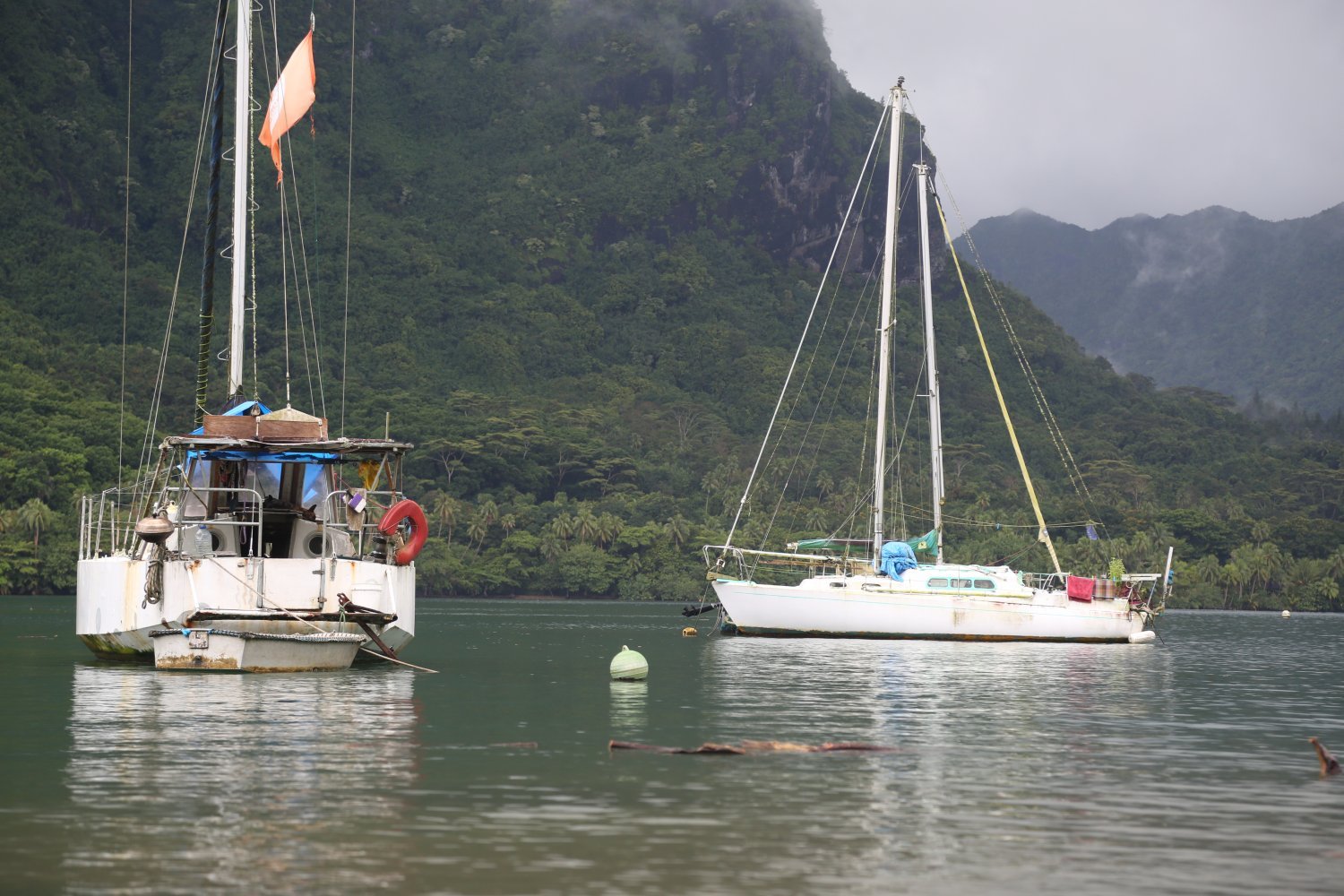
French Polynesia often features prominently on South Pacific itineraries. In Papeete, visitors browse stalls inside the Municipal Market, where vendors sell fresh fruit, handicrafts, and locally produced vanilla. Moorea’s dramatic peaks rise sharply above the coastline, while Bora Bora’s lagoon remains one of the region’s most recognisable sights.
Fiji offers a completely different experience. Suva’s waterfront, Thurston Gardens, and nearby museums provide insight into the country’s history. Smaller islands throughout the Yasawa and Mamanuca groups are home to quiet villages, coral reefs, and beaches reached directly from the ship’s tender boats. Vanuatu and New Caledonia often appear on longer itineraries, offering opportunities to explore local markets, cultural centres, and coastal communities that receive relatively few international visitors beyond cruise arrivals.
Mediterranean Spring Cruises to Malta
Malta works particularly well as a spring cruise destination. Temperatures are comfortable for walking, ferry services operate regularly, and major attractions remain far less crowded than during peak summer months.
Cruise ships arriving in Valletta enter one of the Mediterranean’s most impressive natural harbours. The city’s sandstone walls dominate the skyline long before passengers step ashore. Republic Street cuts through the historic centre, passing St John’s Co-Cathedral, public squares, and centuries-old buildings that remain in daily use.
Many visitors choose to experience Malta weather in March because it’s perfect for exploring on foot. Daytime temperatures are usually comfortable enough for wandering through Valletta’s narrow streets, exploring Mdina’s quiet lanes, or walking between the historic districts of the Three Cities without the heat that arrives later in the year. March is also a good time to browse Merchant Street Market, catch the ferry across Grand Harbour to Birgu, or visit the ancient temples at Ħaġar Qim.
Where will you set sail?
What makes these destinations memorable isn’t necessarily the cruise ship. It’s everything waiting once passengers step ashore. Svalbard brings Arctic wildlife and landscapes that change by the hour. Alaska combines glaciers, forests, and coastal towns that still feel closely tied to the surrounding wilderness. Japan packs an enormous amount of variety into a single itinerary, while the South Pacific covers islands scattered across a huge stretch of ocean. Malta adds history, harbour views, and plenty of places worth exploring on foot.
The destinations couldn’t be more different from one another, which is probably why cruise travellers keep coming back for another voyage.




Leave a Reply