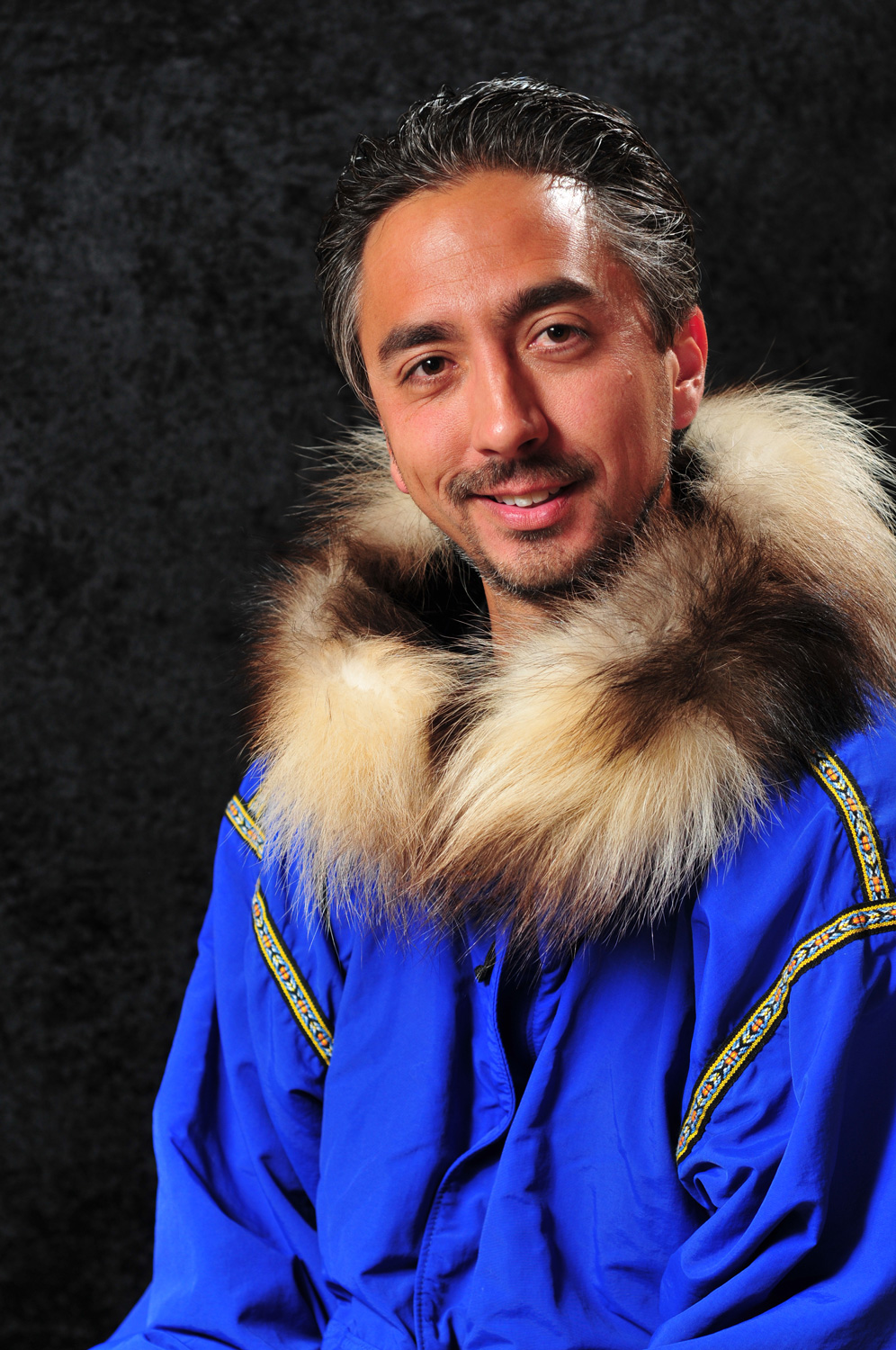
 Aaron Linsdau is an American polar explorer. He is best known for completing a solo expedition from Hercules Inlet to the South Pole – the second American to complete the journey. His other expeditions include a winter trek across the Greenland Tundra and three ski expeditions across Yellowstone National Park. He also crossed the Greenland Ice Cap in 2023, leading an unsupported and unsupplied team expedition. In addition, he has climbed Denali solo five times. He wrote Antarctic Tears, a book about the physical and mental challenges of his solo journey to the South Pole.
Q. What first drew you to extreme-weather trekking and polar adventures. Does growing up in Wyoming have anything to do with it?
I was in the Boy Scouts and became an Eagle Scout. I started off with the wilderness survival merit badge and went from there. In my late 20s, I went camping in the winter in the Sierra at Sequoia National Park. I was hooked.
Yes, growing up in Wyoming did influence that experience of being in the extreme outdoors.
Q. You took the expedition from Hercules Inlet to the South Pole, almost 700 miles and being only the second American ever to complete such a solo ski in Antarctica! How did you prepare physically and mentally for such an epic adventure?
I did several training trips into Yellowstone National Park in the winter. I wanted to see what extreme cold was like. As my final international preparation, I took an expedition across the Greenland Tundra a year or two before heading to Antarctica. I traveled very late in the season, early October. It was quite a challenge, and I had a great time.
Q. What gear do you always bring on your expeditions, and why?
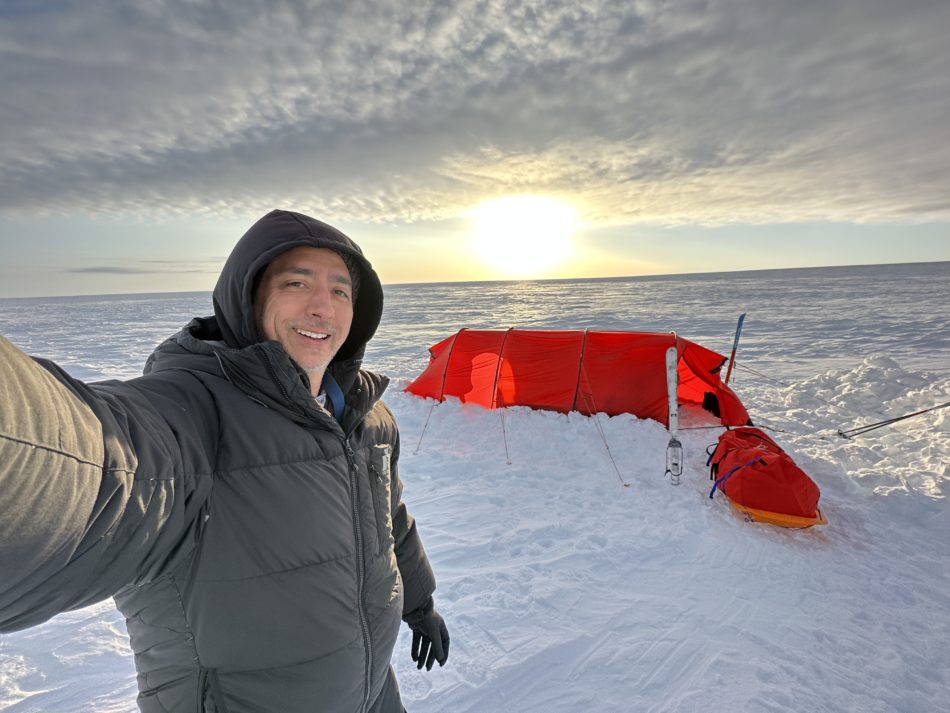
One of my most important pieces of gear are my fleece hat and fleece headband. They stay with me at all times on those types of expeditions. Also, the best footwear I can buy. Without that, everything else falls apart. And on ultra long expeditions, I bring a second MSR XGK stove. I always bring multiple backup pumps.
Q. Seeing Antarctica up close and experiencing it firsthand, did it change the way you think about climate change?
Seeing Antarctica up close didn’t really impact my perception of climate change. The interior of Antarctica and the interior of Greenland, the two biggest ice caps on the planet, seem to have plenty of snow and ice. I know it firsthand!
Antarctica size doubles in the winter every year, so it’s not unexpected that the ice shelves calves regularly.
Q. How would you compare Antarctica and the Arctic, you know, like, in terms of terrain, challenges, and what does it takes to survive?
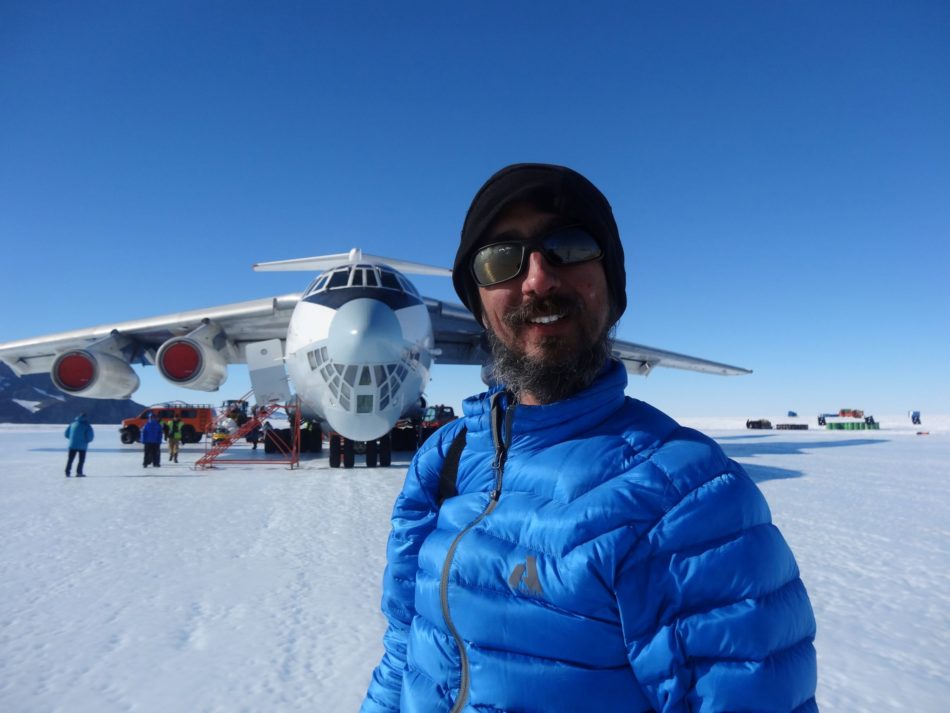
The Arctic is more dangerous because of polar bears. You always have to carry some sort of defensive weapon. You don’t have to worry about that in Antarctica. Antarctica has way larger sastrugi, making travel much more difficult.
The altitude of both Antarctica and Greenland is a challenge. The average elevation is well above 5,000 feet (1524m) in Antarctica. The spine of Greenland is over 8000 feet (2,438m)
Q. Let’s talk about survival. How do you keep the balance between moving enough to stay warm and conserving your energy and food, while keeping fear in check?
Balancing moving fast enough to stay warm and conserving energy is a constant challenge. The most important thing on these expeditions is to be able to move as fast as possible every day. And, to try and keep moving during every ski session. I had to ski 75 minutes continuously six times a day. Then I would take a 10-to-15-minute break. The most difficult thing is actually staying cool most of the time. It is very easy to overheat in both of these climates.
Q. I know you also speak about resilience and avoiding burnout. What lessons from surviving extreme cold or isolation do you apply in your everyday life?
I know that the race is long and having the perspective that some days are not going to be as good as others is a real takeaway. It’s very much like mountaineering, which I’ve done a lot of fun. Denali is another mountain. Some days are spectacular and other days you just have to stay in your tent.
Q. What is the hardest part about putting the size of the polar landscape into words, and how do you get readers to really feel it?
The size of the polar landscape is beyond comprehension. The infinite white space of the continuous ice, and the constant whiteouts are very, very difficult to deal with. If you are not proficient with a compass, you will have incredible difficulty skiing in a straight line when blind in a white out. I got very good at it early on in the Boy Scouts. Therefore, I travel pretty efficiently.
Q. Your message to our readers?
Please know that there are places on the Earth that look like an alien landscape. If you have seen that Star Wars movie Empire Strikes Back, that place exists on the Earth. It is unique and special and well worth caring for and visiting, if at all possible.
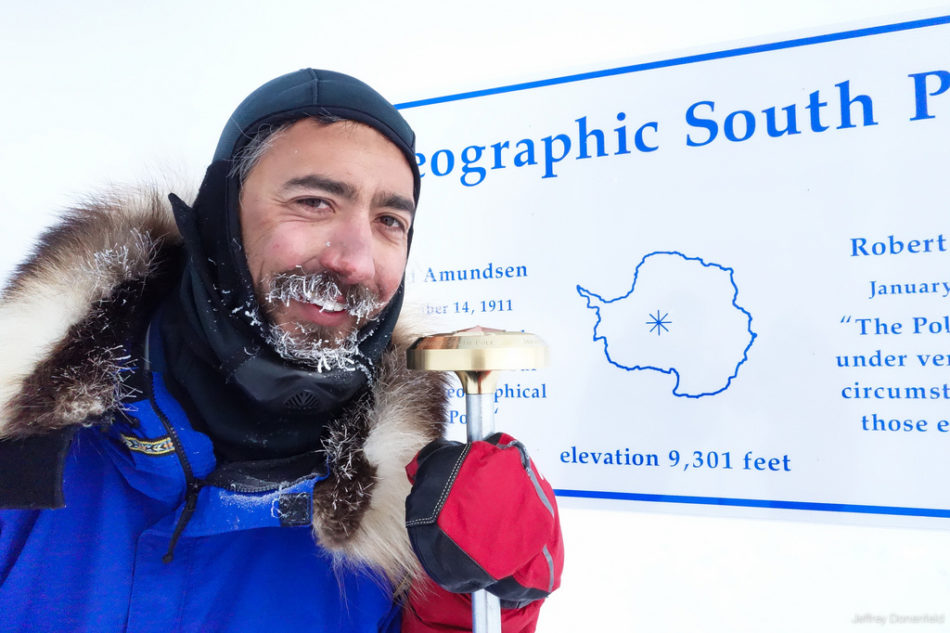 All photographs credit: Aaron Linsdau

Leave a Reply