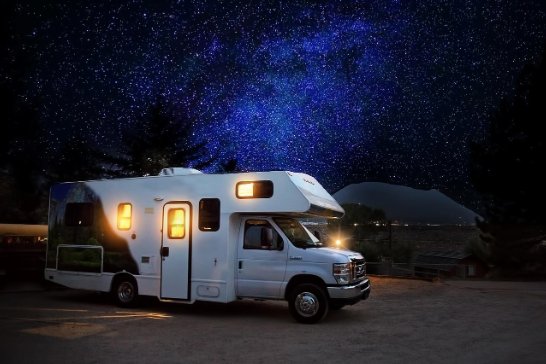
Image by JillWellington from Pixabay
The American West rewards travelers who embrace the long road. One week may involve waking beside Utah’s sandstone cliffs, the next brings foggy mornings to align the Oregon coast or alpine air in Montana.
Long-term RV travel across this region offers a rare sense of freedom, yet it also demands preparation, discipline, and adaptability. Distances are vast, climates shift rapidly, and remote highways can turn small oversights into expensive setbacks.
Experienced RV travelers understand that success on the road depends on maintaining the vehicle properly, respecting campground culture, and preparing for emergencies. Let’s explore the essential tips you’ll need on this journey.
Build an Insurance Plan
Many RV owners underestimate how different long-term travel is from occasional weekend camping. Standard auto insurance may not fully account for the realities of extended travel, especially when the RV functions as both transportation and residence.
A comprehensive policy should include liability, collision, coverage, roadside assistance, uninsured motorist protection, and personal property coverage for valuables kept inside the RV. Travelers spending months on the road should also verify whether their policy treats the vehicle as a full-time residence. That distinction matters significantly when dealing with theft, weather damage, or liability claims inside the RV itself.
Keep Up With Maintenance
Vehicle preventive maintenance is increasingly important the farther travelers move from urban service centers. In portions of Nevada, Wyoming, or northern Arizona, hundreds of miles may separate repair facilities. Waiting until something breaks often transforms a manageable repair into a trip-disrupting emergency.
Long-term travelers benefit from adopting a strict inspection routine. Tire pressure should be checked before every major drive day, especially in regions with dramatic temperature swings. Engine fluids, brake systems, wheel bearings, and battery connections also require regular monitoring.
Experienced RV travelers often schedule maintenance stops proactively in larger cities such as Denver, Salt Lake City, or Phoenix, where service options are more reliable and appointment availability is better than in smaller gateway towns.
Learn Campground Etiquette
Campground etiquette plays a surprisingly important role in long-term travel enjoyment. The Western RV community is diverse, ranging from retirees and remote workers to internal tourists and families exploring national parks. Respectful behaviour contributes significantly to maintaining a positive atmosphere in shared spaces.
Noise management remains one of the most common points of tension. Quiet hours exist for good reason, particularly in campgrounds where travelers may be adjusting to altitude, weather, or long-term driving days. Space awareness also matters as many campgrounds in the West are designed around tight layouts and natural terrains.
Prepare for Roadside Emergencies
Even careful drivers encounter unexpected situations on highways. Step grades, wildlife crossing, heavy winds, and isolated roads all increase the risk of accidents compared to ordinary commuting environments. Preparation begins with practical emergency planning. Every RV should carry:
- First-aid supplies
- Extra water
- Portable battery packs
- Flashlights
- Reflective triangles
- Basic repair tools
In remote areas, cellular service may disappear entirely for long stretches, making offline maps and satellite communication devices especially valuable. Drivers should also practice proactive maneuvering the RV before entering mountainous or congested areas.
Many accidents occur because travelers underestimate stopping distance clearance and crosswind effects. If an accident or injury occurs during extended travel, having access to reliable guidance is essential, especially when incidents involve unfamiliar state laws or insurance disputes. Travelers navigating difficult post-accident situations in California can seek assistance from Winer, Burritt, Scott & Jacobs, LLP, particularly when injuries disrupt long-term travel plans or employment obligations connected to life on the road.
Endnote
Long-term RV travel across the American West offers something increasingly rare in modern life: genuine independence paired with constant discovery. The landscapes are extraordinary, but the lifestyle itself demands responsibility, preparation, and resilience. Travelers who prioritize maintenance, insurance, emergency readiness, and respectful campground behaviour tend to experience fewer disruptions and greater freedom on the road.





Leave a Reply