Most people arrive in Las Vegas with a plan. Two nights, a few decent meals, a show on the second evening, and somewhere along the way they find themselves at a slot machine at 2 a.m. wondering how that happened. It is a city that has a way of rearranging your schedule. But spend any real time here and you start to notice the version of Vegas that does not appear on any hotel brochure.
It sits about 270 miles northeast of Los Angeles in the Mojave Desert at an elevation of roughly 2,000 feet. The Strip itself is only about 4.2 miles long. Outside that narrow corridor, things get considerably more interesting.
The Desert Is the Real Draw
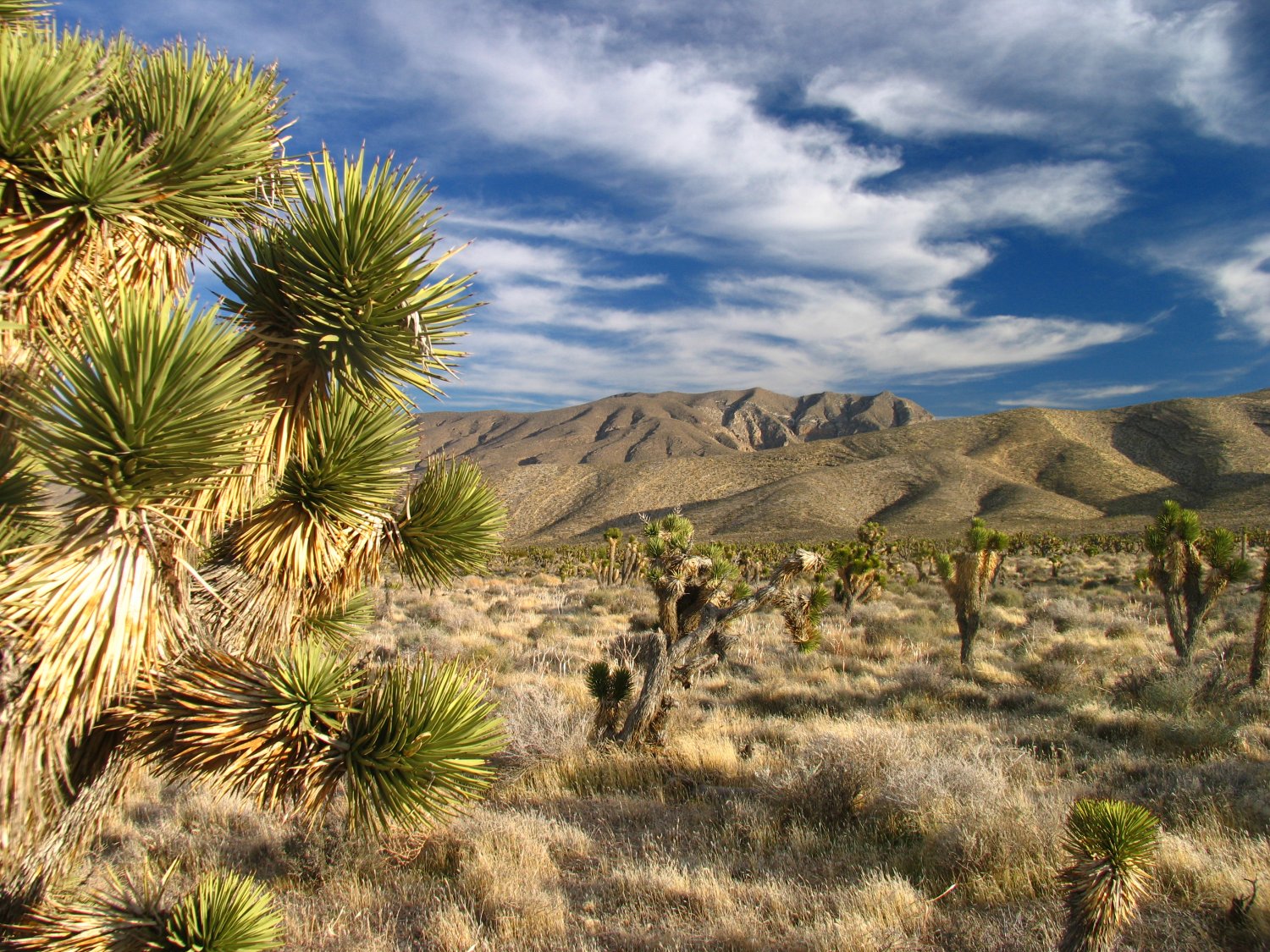
Red Rock Canyon is 17 miles west of the Strip, and most visitors have no idea it exists. The Calico Hills there are made of Aztec Sandstone, formed from ancient sand dunes that were buried and compressed over 180 million years. You can do a 13-mile scenic drive through the canyon or hike into it, and on a weekday morning in the cooler months you will have long stretches of trail mostly to yourself.
Valley of Fire State Park sits about 50 miles northeast of Las Vegas and is Nevada’s oldest state park, established in 1935. The fire-red sandstone formations there are genuinely surreal, particularly at sunrise when the shadows are long and the colors run from orange to deep crimson. It is one of those places that photographs poorly because no image fully captures the scale.
Food That Actually Deserves the Attention
The restaurant situation in Las Vegas has shifted considerably over the past two decades. The celebrity chef era brought serious kitchens to the Strip, but some of the more reliable meals are in neighborhoods that require a short drive. The Arts District around Charleston Boulevard has developed into a proper food scene, with chefs running small-room restaurants without the overhead of a casino partnership dictating the menu.
If you want to understand what Las Vegas actually eats, go to a Strip-adjacent diner at around 4 a.m. The clientele ranges from casino workers coming off shift to tourists who have clearly made several bad decisions and are recalibrating over eggs. The city operates on a genuinely different clock from everywhere else.
The Casino Floor as a Cultural Object
The casino floor itself is worth studying as a piece of design. There are no clocks, no windows, no natural light. The layout is deliberate: table games positioned to create foot traffic past banks of slots, the sounds calibrated to suggest activity without ever letting you settle on any particular machine. For anyone curious about how online platforms approach the same dynamics, resources like BonusFinder document what these incentive structures look like when translated to a digital context, which puts the physical casino floor in a useful comparative light. You start to see the architecture more clearly once you understand what it is trying to do.
The older casinos downtown on Fremont Street operate with a different logic from the Strip properties. The minimums are lower, the rooms are cheaper, and the whole thing feels more like Nevada circa 1975 than the current resort era. The Fremont Street Experience overhead canopy runs hourly shows after dark and draws a crowd that skews local, which is its own kind of interesting.
Getting Out Before You Get Stuck
Las Vegas sees around 42 million visitors per year, according to the Las Vegas Convention and Visitors Authority. The vast majority spend their entire trip within a half-mile radius of wherever they check in. That is a choice, but it is also a missed opportunity. A rented car and one full day is enough to reach Hoover Dam, drive along the Colorado River, and loop back through Boulder City, which is a small, quiet town that looks like it was airlifted in from a different era entirely.
Mt. Charleston, 35 miles northwest of the Strip, sits at an elevation of 11,916 feet. In summer, the temperature at the recreation area runs around 20 degrees cooler than the valley floor, which is not a small thing when Las Vegas is hitting 110. There are trails through ponderosa pine forests and, in a decent snow year, skiing at Lee Canyon through the winter months.
A Few Practical Notes
For a more detailed breakdown of where to stay, what to see on the Strip, and how the casino infrastructure is organized, the Las Vegas guide on Dave’s Travel Corner covers the ground thoroughly, with sections on shows, restaurants, and the surrounding terrain.
Rent a car if you are going to be there more than two days. The ride-share economics on the Strip are fine for short trips, but you will be paying a premium for the convenience and the congestion. The rental car facilities are now consolidated away from the individual hotel properties, which adds a step, but the freedom is worth the friction.
Las Vegas in summer is brutal. June through August the heat is legitimate desert heat, the kind that becomes a physical presence the moment you step outside. If you are sensitive to it, the shoulder seasons of March through May and September through November are when the city is most livable. Winter is mild by most standards but can be cold enough at night to require a jacket, which surprises people who arrive expecting nothing but warmth.
The city is not subtle and it does not pretend to be. But there is a version of Las Vegas that rewards the traveller who decides to look past the obvious version of it, and that version is worth the effort.





Leave a Reply