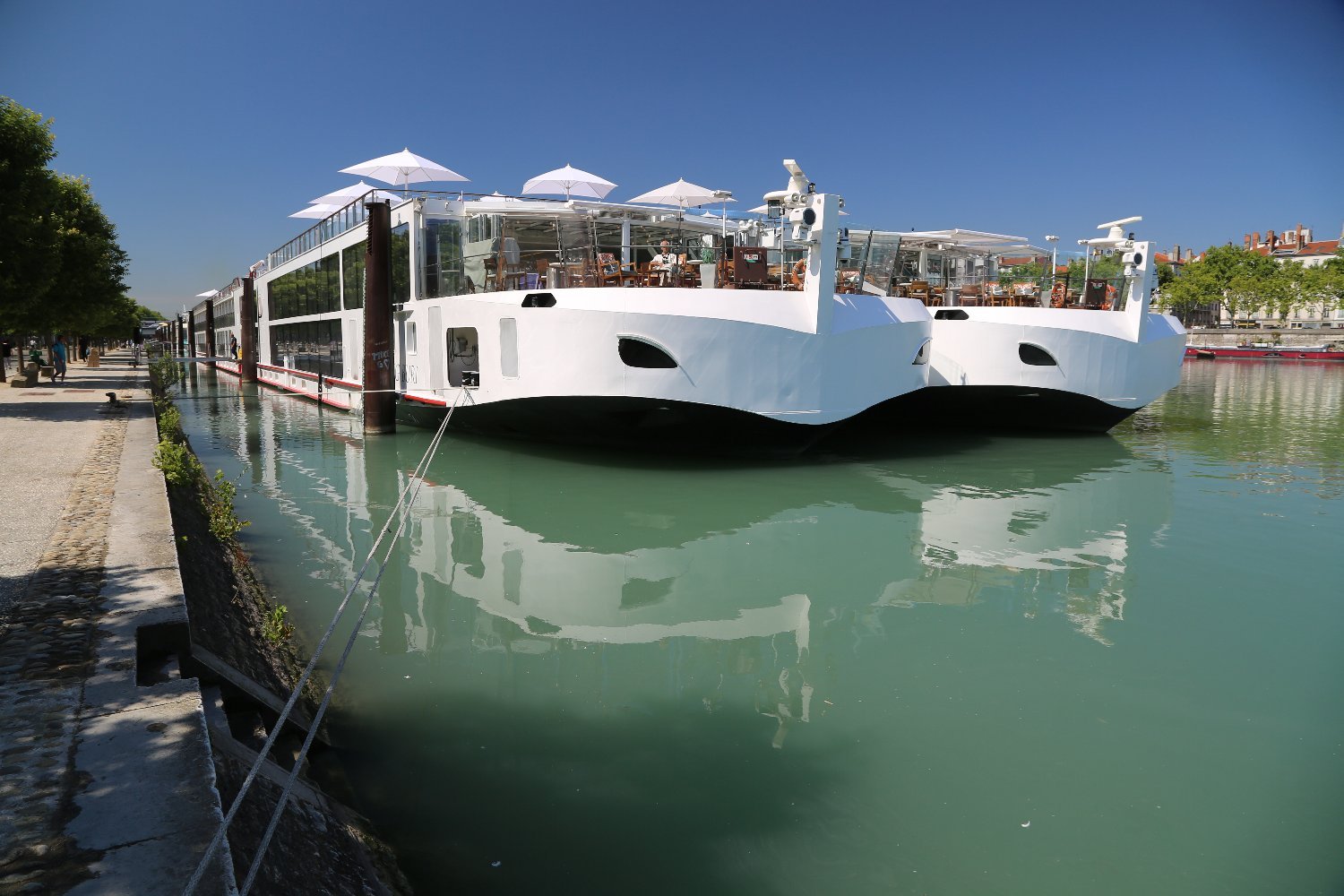
Summer is at its end in Europe, and the heat can make it harder to think clearly, especially when you’re juggling train schedules, restaurant menus and payment options in a new country.
“In Europe, the small things can shape your whole trip, a bit of preparation means more time enjoying and less time sorting out the unexpected, whether it’s how you pay, where you eat, or getting around smoothly.” – Andrea Moradei, founder of the Italian wine travel agency Vinarium.
Whether you’re on a high-end vacation or a quick getaway, these tips work across borders and will help you keep control of your spending.
1. Always Pay in Local Currency
When paying by card in Europe, most payment terminals allow you to choose between being charged in your home currency or the local currency, which is mostly the euro (€).
Always choose the local currency so your own bank sets the exchange rate, which is usually better than the rate offered by the merchant’s processor.
Dynamic currency conversion can add hidden markups of 3-8%, making every purchase more expensive. Take a moment to check the payment screen before confirming the transaction.
2. Decline ATM Conversion Rates
ATMs often display a “guaranteed” conversion rate and ask if you want to accept it. This is another form of dynamic currency conversion, and it is rarely to your benefit. Even if you decline, you will still pay a small conversion fee set by your bank, but it will usually be lower than the ATM’s markup.
Always let your own bank handle the exchange rate instead of accepting the ATM’s rate, as this can save you a significant amount over multiple withdrawals.
3. Avoid Weekend Currency Exchange
Whether you exchange at a physical counter with banknotes or use an online currency service, weekends often bring less favorable rates. The global currency markets close from late Friday to late Sunday, and providers cannot access live wholesale rates during that time. Many respond by widening their margins to protect against Monday price changes. If you can, exchange during active market days (Monday to Friday) when rates are generally steadier.
Avoid airport exchange counters at any time, as they almost always have the poorest rates and highest fees.
4. Use Bank-Affiliated ATMs
Choose ATMs located inside or outside bank branches rather than stand-alone machines in convenience stores or tourist spots. Bank-affiliated ATMs tend to have lower fees and more secure machines. If your card is taken by a bank ATM, you have staff on-site who can help. When searching online, type “bank” instead of “ATM” to filter for legitimate financial institutions.
5. Have Multiple Cards from Different Banks
Bring at least two major credit cards, ideally one Visa and one Mastercard, and a debit card. Where possible, get them from different banks so you have a backup if one is blocked or fails. You can also add them to Apple Pay or Google Pay for convenience and contactless payments, but always carry at least one physical card. Some payment terminals, especially in rural areas or small businesses, may not accept mobile wallets.
Carry only one card when out and keep the others stored securely at your accommodation to avoid losing all access to funds at once.
6. Use an Online Bank with a Euro Card Option
Consider an online bank that lets you hold and spend in euros (€) directly. This can reduce repeated currency conversion fees when traveling within the eurozone. Many offer multicurrency accounts with linked cards, allowing you to preload euros when the rate is favorable and spend from that balance abroad without extra charges.
7. Know Where Cash Is Essential
Payment habits vary across Europe. In some countries, card payments are accepted for almost everything, while in others, smaller businesses still prefer cash. Shops or cafés may set a minimum spend for cards, often around €5. Some expenses are almost always cash-only, including public restrooms (€0.50–€2), street market purchases, certain small museums, family-run businesses, and city taxes at hotels or short-term rentals. Keep a mix of coins and small notes with you each day so you’re covered when cards aren’t an option.
8. Watch for Service Charges and Price Differences
Restaurants and cafés may add a coverage charge or service fee to your bill. Prices can also vary depending on whether you sit at a table or stand at the counter, especially for coffee or ice cream. In some places, the difference can be significant.
Always check the menu for pricing rules before ordering.
9. Use VAT Refunds on Big Purchases
When buying high-value items, ask the store for a VAT refund form and present your passport. Submit the completed form to the VAT office at the airport and have it stamped by customs before leaving the country.
Refunds can be sent to your card or given as cash. This is particularly useful for luxury goods, electronics, or designer clothing.
5. Avoid Airport Currency Exchange (Except in Emergencies)
Airport currency exchange counters often charge far more than other options. If you need local cash immediately upon arrival, withdraw only the minimum required for transport or immediate needs, then find a bank ATM in the city.
This way, you reduce the amount lost to poor rates and high fees while still having cash for essentials right after landing.
With the practical steps above, you can focus on what brought you to Europe in the first place – strolling through historic streets, relaxing in a quiet café, or exploring a bustling market – without wasting time figuring out payments or dealing with avoidable hassles.





About Dave's Travel Corner
 Dave's Travel Corner is a travel content, resource provider and community (founded 1996) providing travel Guides written about Dave's personal travel experiences and Journals, pages that contain trip summaries and experiences written by fellow travelers. We spotlight locations and attractions with an article linked directly from our homepage including content across our blog, photo and video galleries. We use a combination of social media, written content, photography and videos to promote locations. Not only does the content appear on this site but we have direct partnerships with other well visited travel sites for placement of the content. Since 1996, we have also established hundreds of relevant link exchanges with other travel sites.
Visitors to Dave's Travel Corner will also find thousands of travel related links organized by categories on the Resources Page, a Photo Gallery containing International travel photos, Book Reviews, and Product Reviews focusing on products useful for travelers, fully automated Forums, Tour Bookings offering over 4400 unique tours around the globe, Interviews with those making news in the travel industry and Videos - specializing in International travel videos as well as home of the Dave & Jim Show.
Dave's own travel blog is Above the Clouds which focuses on International Travel & Lifestyle.
For information on advertising please choose from a variety of advertising options here.
Contributors are welcome
 Learn how you can contribute About www.davestravelcorner.com/about
These tips give a very practical overview of how small financial choices can make a big difference when traveling in Europe. Many travelers underestimate things like dynamic currency conversion, weekend exchange rates, or the simple habit of carrying small cash for restrooms and local shops. Having multiple cards and knowing local payment habits really helps avoid unnecessary stress.