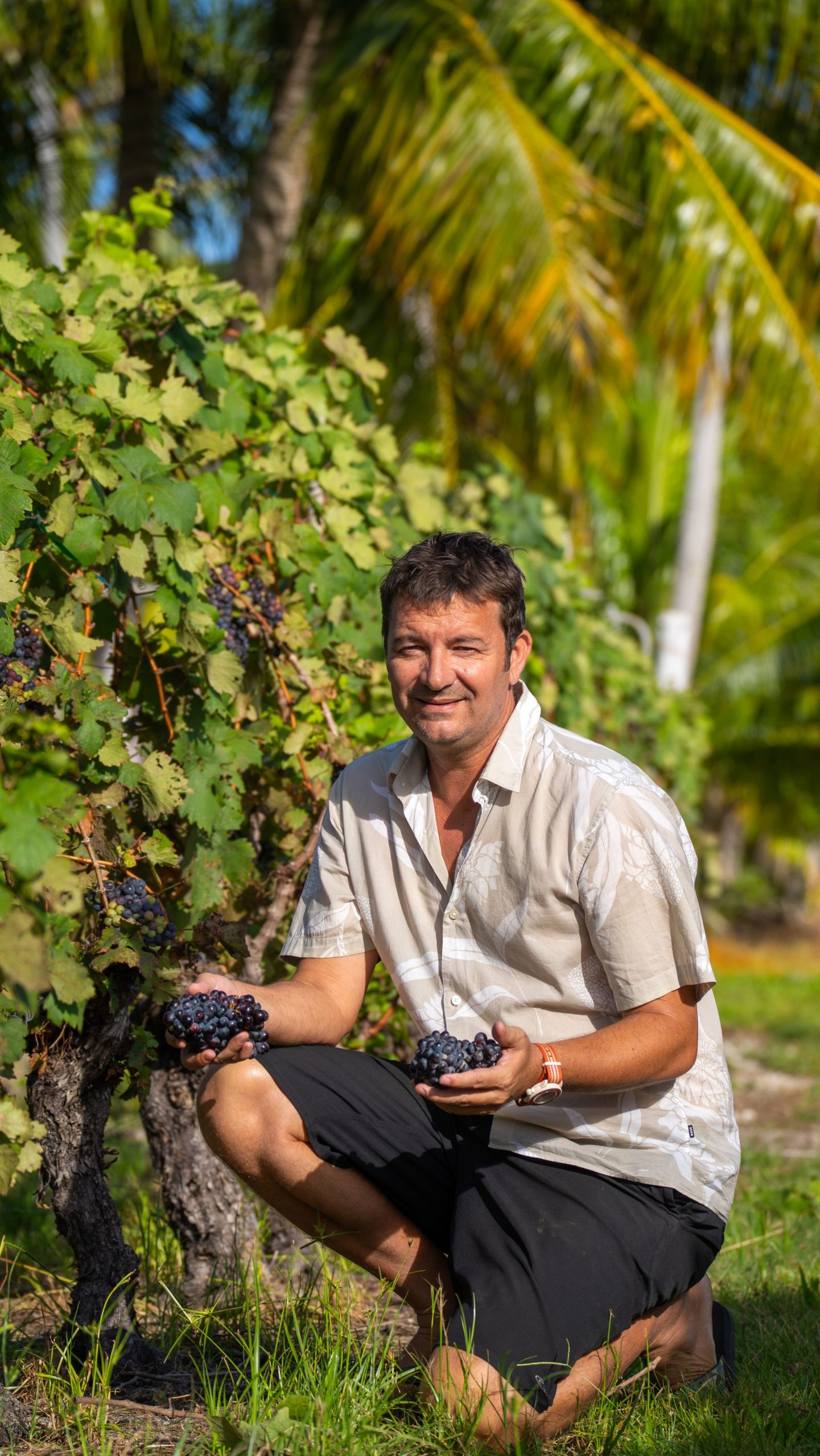
 Sébastien Thépénier is a French oenologist and the winemaker behind Vin de Tahiti in Rangiroa, an atoll in French Polynesia. Originally from Burgundy of France, he moved to Tahiti in 2002 to oversee Domaine Dominique Auroy, a pioneering vineyard and wine estate on coral soil in the Pacific. He has since played a central role in developing and refining its unique tropical winemaking.
Q. You are originally an oenologist from France. What drew you to come all the way to Rangiroa?
I am originally an oenologist from France, trained in a very traditional wine culture where terroir, precision and patience are essential. Coming to Rangiroa was not a conventional career choice for a winemaker. It was more like accepting a challenge that seemed almost impossible at first: producing wine on a coral atoll, in the middle of the Pacific Ocean, thousands of kilometers away from the classical wine regions.
What drew me here was exactly that: the uniqueness of the place. Rangiroa is not a vineyard destination in the traditional sense. It is a remote atoll, surrounded by the ocean, exposed to salt, wind, heat and light. But there was also something very powerful about the idea of creating a wine that could only exist here. The landscape, the lagoon, the coral soil, the isolation — all these elements gave the project a very strong identity.
I was attracted by the human adventure as much as by the technical challenge. Rangiroa forces you to question everything you have learned in Europe and adapt it to a completely different environment.
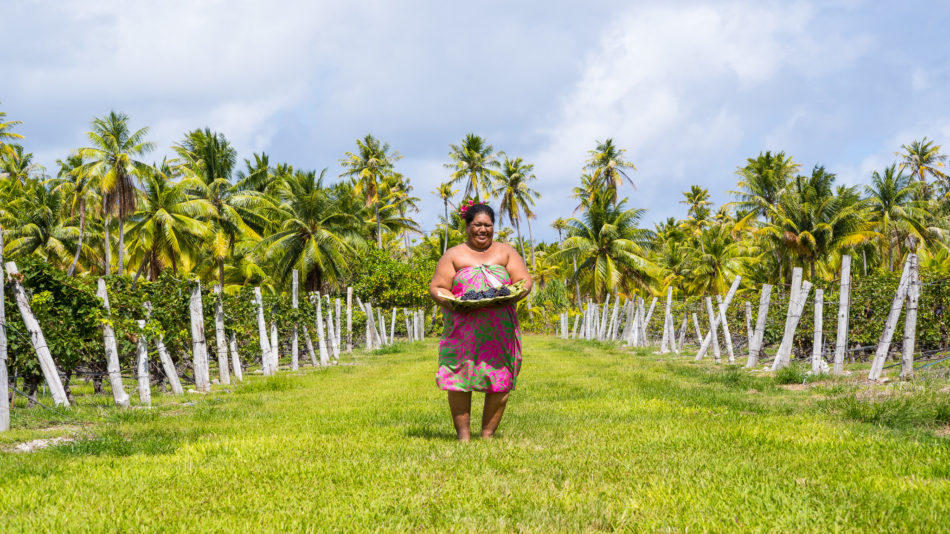
Q. Vin de Tahiti is the only commercial vineyard in the Pacific Islands, and the only vineyard on a Pacific atoll. What was it like when you first arrived, and how did you start figuring out how to make wine on such a remote Pacific island based on your European winemaking experience?
When I first arrived, I immediately understood that nothing could be copied and pasted from France. In Europe, we rely on centuries of observation, established appellations, known soils, seasons, and a long collective memory. In Rangiroa, we had to build our own references almost from zero.
The vineyard is located on a coral atoll, so the environment is completely different from a traditional vineyard. There is no clay-limestone hillside, no deep continental soil, no winter dormancy in the classical sense. The climate is tropical, the ocean is everywhere, and the vine reacts differently.
My European training helped me with discipline, analysis and methodology. But the key was humility. We had to observe the vines every day, understand their rhythm, test pruning methods, irrigation, canopy management, harvest timing, and adapt the winemaking process to grapes grown in a very unusual context.
Making wine here is a constant dialogue between classical oenology and the reality of the island. You use your scientific knowledge, but you also learn to listen to the place.
Q. How would you describe the coral soil there, and how does it affect the grapes compared to traditional vineyard soils in France that pose their own challenges?
The coral soil of Rangiroa is extremely specific. It is light, porous, very mineral, and naturally linked to the oceanic environment. It does not behave like a classic vineyard soil in France. It has limited organic matter and a very different water retention capacity. The roots do not explore the soil in the same way as they would in deeper continental soils.
This creates a very particular balance. The vines grow in an environment that is both fragile and intense. The light is strong, the salinity is present, the coral soil brings a distinctive mineral expression, and the proximity of the lagoon gives the wines a unique identity.
Compared to French vineyard soils, the challenge is that the system is less buffered. Everything can have a quick impact: water stress, heat, wind, salt, rainfall, or excessive humidity. You need to be very precise and reactive.
The most challenging part is probably maintaining balance. Balance in the vine, balance in ripeness, balance in acidity, and balance in the final wine. On an atoll, nature is beautiful but demanding.
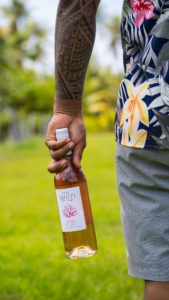
Q. Blanc de Corail is your flagship white wine, but could you tell us a bit about the different wines at Vin de Tahiti, and which one is your personal favorite, and why?
Blanc de Corail is certainly one of the emblematic wines of Vin de Tahiti. It reflects very well the spirit of Rangiroa: freshness, minerality, brightness and a direct connection to the coral environment. It is a wine that speaks immediately about the place.
We also produce other cuvées, including white wines, rosé-style wines and more experimental expressions depending on the vintage and the grapes available. Each wine has its own personality, but they all share this island identity: a saline touch, freshness, exotic aromatic notes, and a certain purity.
My personal favorite is often the wine that best expresses the balance of the year. I have a special attachment to Blanc de Corail because it is probably the most representative of the project. It is not just a white wine made in Tahiti; it is a wine born from coral soil, ocean light and atoll conditions.
What I like about it is that it is both accessible and singular. People can enjoy it immediately, but when they understand where it comes from, the wine takes on another dimension.
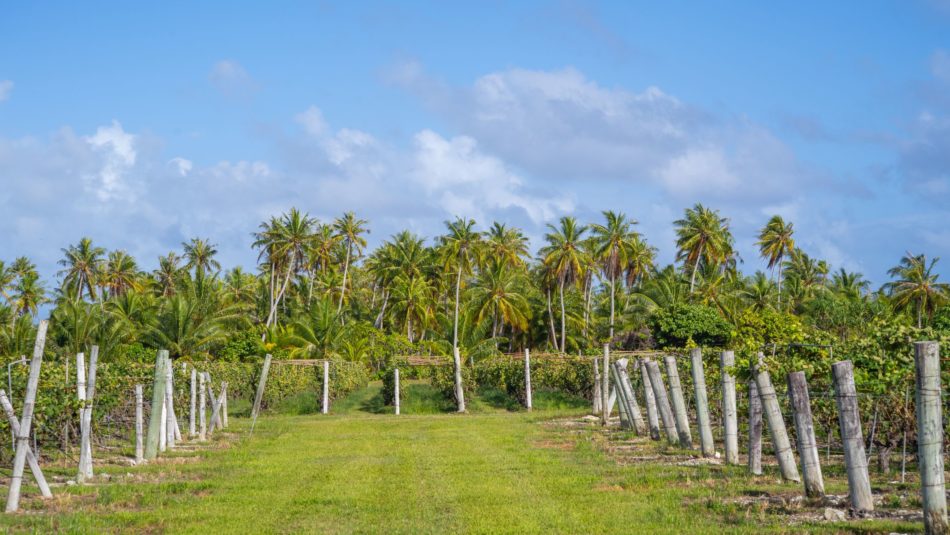
Q. For those who are interested in visiting your vineyard, how can they arrange a visit, and could you also describe a little about your guided tours and wine tasting sessions?
Visitors who are interested in discovering the vineyard should contact us in advance, especially because Rangiroa is a remote island and visits need to be organized according to our work in the vineyard and cellar.
The easiest way is usually to contact Vin de Tahiti directly through our website, by email, or through the local hotel concierges.
Many visitors are staying in Rangiroa for diving or for the lagoon, and don’t realize there’s actually a vineyard they can visit.
During the guided tour, we explain the history of the project, the uniqueness of growing vines on a coral atoll, the technical challenges, and the way we adapt viticulture and winemaking to this environment. The visit usually includes the winery, explanations about the coral soil and the climate, and then a tasting of our wines.
For many guests, it is a surprise. They arrive expecting a tropical island, blue lagoon and diving — and they discover that wine is also part of Rangiroa’s story.
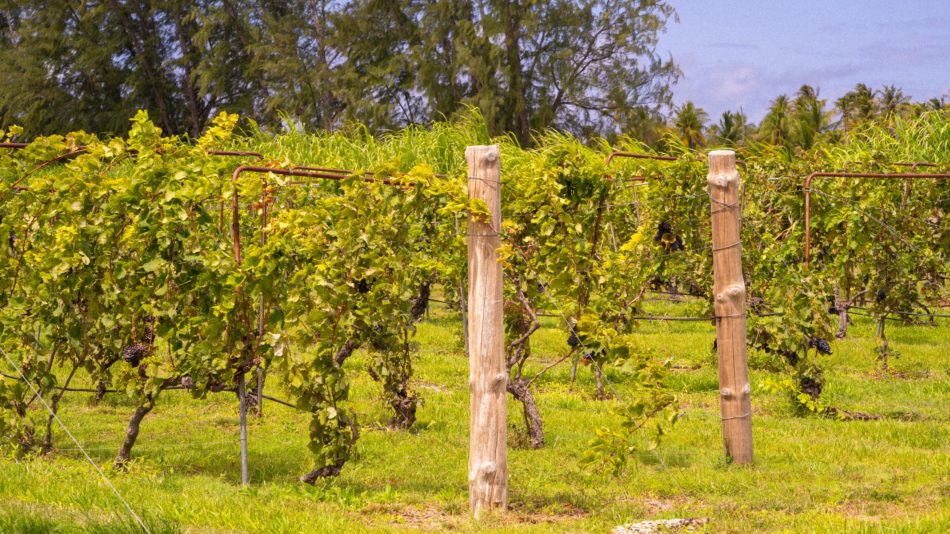
Q. After so many years there, what keeps you going to stay in Rangiroa?
Rangiroa is a place that changes you. At first, you may come for a professional project, but after many years, the island becomes part of your life. What keeps me here is the strength of the place, the people, the nature, and the feeling that we are building something rare.
The project is still alive because it is never completely finished. Every year brings new questions, new challenges, new adjustments. In a classical vineyard region, many answers already exist. Here, we continue to learn.
There is also a deep satisfaction in seeing visitors taste the wine and realize that it comes from this atoll. Their reaction reminds us that the project has meaning. It is not only about producing bottles; it is about telling the story of Rangiroa through wine.
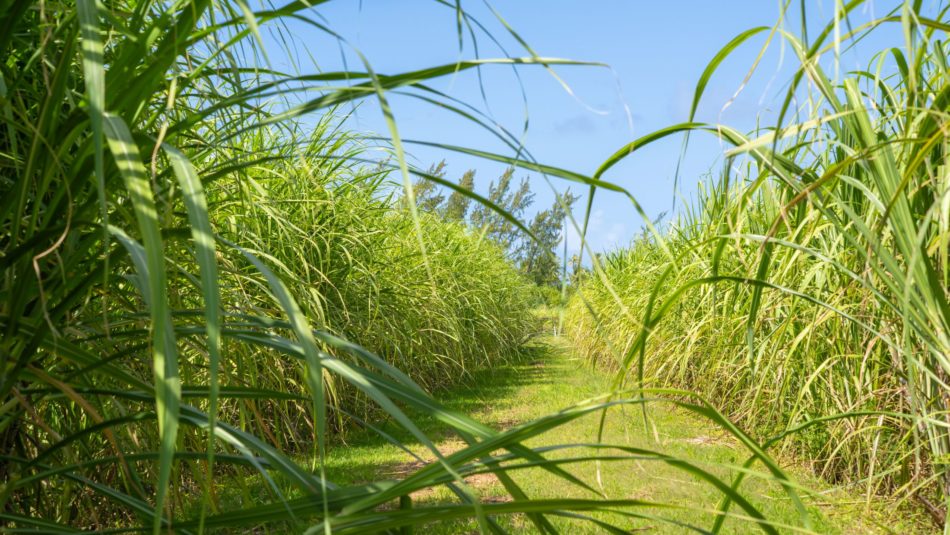
Q. How has this Pacific atoll wine project changed you as a winemaker, or has it significantly changed your perspective on traditional winemaking?
It has changed me a lot. In France, we are trained to respect tradition, and that is a very valuable foundation. But Rangiroa has taught me that tradition is not a fixed formula. The real spirit of winemaking is adaptation.
Here, I had to forget many automatic reflexes. The seasons are different, the soil is different, the vine cycle is different, and the logistics are completely different. You cannot rely only on what is written in books. You have to observe, test, make mistakes, correct, and move forward.
It has made me more open-minded as a winemaker. I still believe deeply in terroir, but Rangiroa has expanded my definition of terroir. Terroir is not only a French hillside or a European appellation. It can also be a coral atoll in the Pacific, with its own constraints and its own beauty.
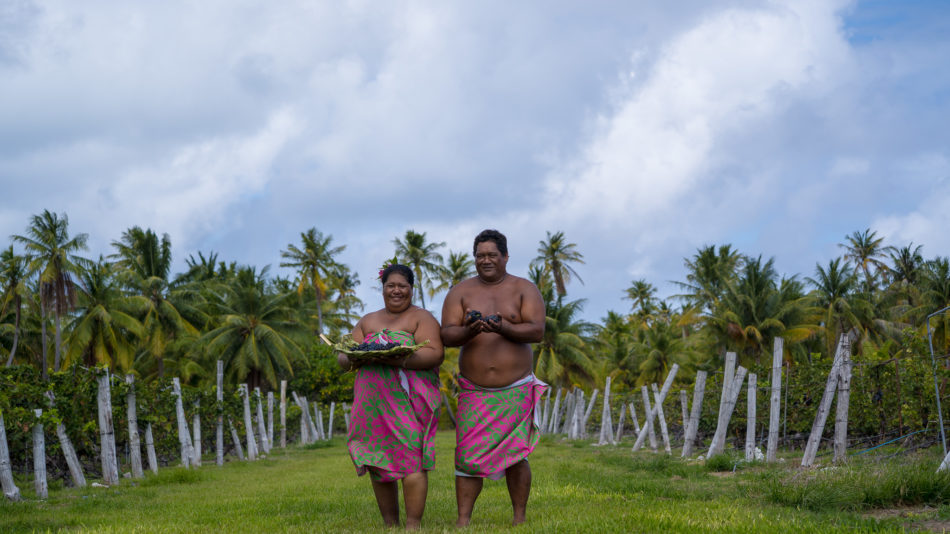
Q. Rangiroa is world-famous for diving and snorkeling. How do you usually spend your days on the island when you are not working in the vineyard?
Rangiroa is one of the most beautiful places in the world for people who love the ocean. When I am not working, I enjoy the lagoon, the sea, simple moments with family and friends, and the quiet rhythm of island life.
Of course, diving and snorkeling are part of the magic here. The passes, the marine life, the dolphins, the colors of the lagoon — all of this is extraordinary. But daily life in Rangiroa is also about simplicity: being close to nature, fishing, boating, sharing meals, and enjoying the sunset after a long day.
Living here teaches you to appreciate essential things. The island is remote, so life is not always easy, but it gives you something rare: space, light, silence and a very direct relationship with nature.
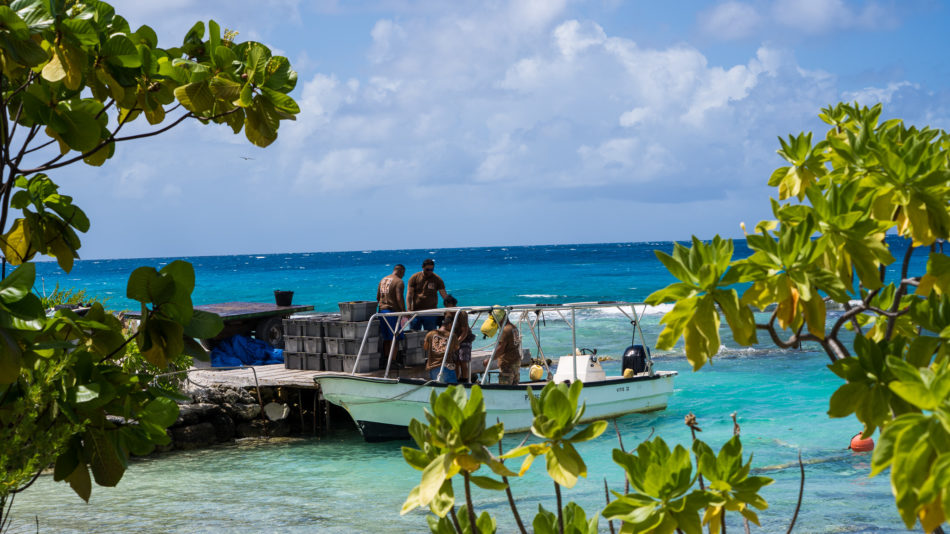
Q. Let’s put in a nutshell: what makes the wines of Vin de Tahiti distinct, and different or even outstanding from traditional wines in general?
What makes Vin de Tahiti distinct is that these wines are not trying to imitate French wines or any other classical wine region. They express a place that is completely unique: a vineyard on a Pacific coral atoll.
The wines carry the identity of Rangiroa — the coral soil, the ocean influence, the tropical light, the salinity, the remoteness and the human adventure behind the project. They are different because the terroir is different. They are outstanding because they show that wine can be born in unexpected places when there is patience, technical precision and respect for the environment.
For me, Vin de Tahiti is not only a wine. It is a symbol of what is possible when tradition meets exploration. It proves that winemaking is not limited to the historic regions of the world. It can also become a bridge between culture, nature and innovation in the middle of the Pacific.
All photographs credit: Ms Aurélie Barré
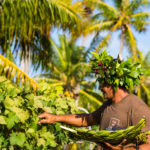
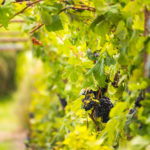
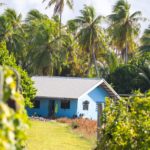
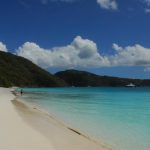



It was really nice to visit what is probably the most remote vineyard and winery on the planet in August of 2020 🙂
what a great story!